Best Time for Scuba Diving in Punta Cana
Find the best time for scuba diving Punta Cana, from calm-season reefs to whale-season trips, with practical planning advice for every diver this year.
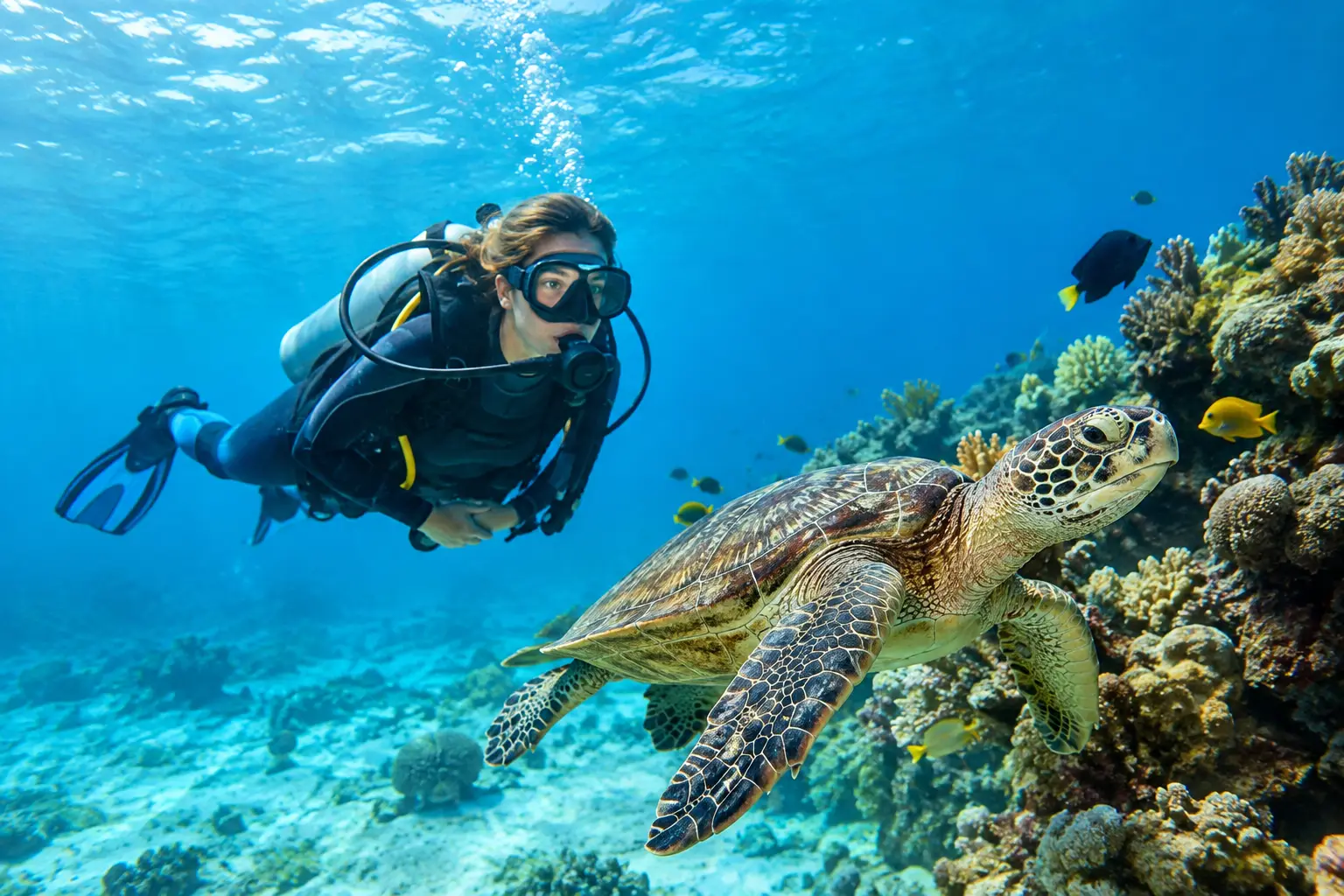
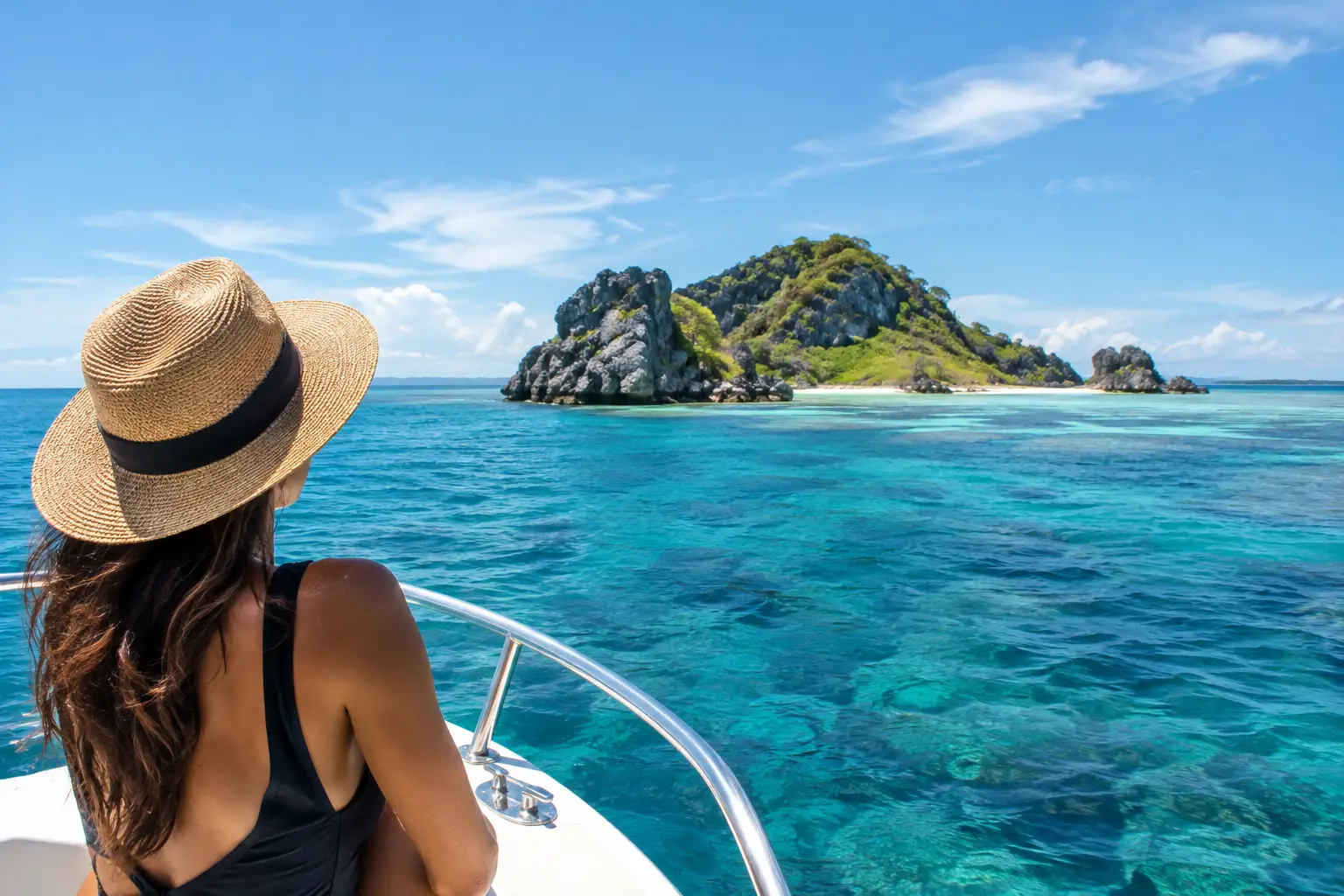
A calm Caribbean morning can make Punta Cana feel made for diving: warm water, sun over Bávaro, and a reef waiting just beyond the shore. But the best time for scuba diving Punta Cana depends on what you want beneath the surface. Are you hoping for glassier boat rides, the warmest water, fewer people, or a private day built around wrecks, walls, and vibrant reefs?
Punta Cana offers diving year-round, which is great news for travelers planning around school breaks, weddings, or a short Dominican Republic escape. Still, seasons shape the experience. Wind, rain patterns, water movement, and demand can all influence which sites feel best on a particular day. The smartest plan is to choose the season that matches your priorities, then let an experienced local guide select the right site for conditions.
Best Time for Scuba Diving Punta Cana: December Through April
For many visitors, December through April is the easiest answer. This is Punta Cana's drier season, when vacation weather is generally sunny, humidity is lower, and the Caribbean often feels especially inviting. Daytime temperatures are comfortable, and the sea can offer pleasant surface conditions for boat trips to reef and wreck sites.
Water temperatures usually sit around the upper 70s to low 80s Fahrenheit. Most divers are comfortable in a shorty wetsuit, although those who get cold easily may prefer a little more coverage on longer dive days. Visibility can be excellent, especially after several calm days, revealing the texture of coral formations, schools of tropical fish, and the dramatic lines of a wreck such as St. George.
There is a trade-off: this is also a popular travel season. Resorts, flights, and boats can be busier around Christmas, New Year’s, spring break, and Easter. A boutique dive experience matters most at these times. With groups limited to four divers, Scuba & Chill can keep the pace personal whether you are taking your first breaths underwater or refining your buoyancy on a deeper wall.
January to March: Great for Comfortable Vacation Diving
January through March is ideal for travelers who want reliable beach weather paired with diving. The water is warm enough for relaxed reef exploration, while the weather above the surface is often cooler than summer. It is a particularly comfortable time for couples, families, and first-time divers who want to combine a Discover Scuba-style experience with plenty of time to enjoy their hotel and the coast.
This season also aligns with whale activity in the Dominican Republic, particularly around Samaná Bay on the country’s northeast side. Punta Cana is not a whale-diving destination, and responsible operators do not promise whale encounters on local dives. However, travelers building a wider Dominican Republic itinerary may enjoy the chance to pair Punta Cana diving with a separate, respectful whale-watching experience.
May Through August: The Warm-Water Season
If warm water is your priority, late spring and summer can be fantastic. From May through August, the sea often reaches the low to mid-80s Fahrenheit. Entering the water feels effortless, and many divers love the unhurried, tropical feeling of a summer dive day.
This is also a strong period for guests who want to learn. Warm water and long daylight hours create a welcoming setting for PADI courses, from a first underwater experience to advanced training. You may be practicing skills in calm conditions one day, then applying them while exploring a reef, a wreck, or a deeper site the next.
Summer does bring more heat, humidity, and passing showers. Rain rarely means a lost day underwater. A quick tropical shower can pass before the boat leaves, and conditions below the surface may remain clear and beautiful. What matters more is wind and swell, which can change from one day to the next. That is why flexible planning is valuable: a professional dive team can choose a protected reef, adjust departure timing, or recommend a different experience when the ocean asks for it.
For families traveling during summer vacation, morning dives are often the sweet spot. The air is cooler, the sea may be calmer, and the rest of the day remains open for the pool, a beach lunch, or an afternoon nap after a memorable morning in the Caribbean Deep.
September Through November: Quiet Water, Flexible Expectations
Fall is often overlooked, which can make it appealing for travelers who prefer a quieter Punta Cana. Water remains very warm, and there may be fewer visitors than during winter holidays. On the right day, conditions can be excellent, with colorful reefs, relaxed pacing, and the feeling that the Caribbean is all yours.
However, September through November falls within the Atlantic hurricane season. That does not mean diving is automatically off the table. Punta Cana has many beautiful dive days during these months. It does mean travelers should arrive with realistic expectations and leave room in their schedule for weather changes. Tropical systems, stronger winds, or rough seas can lead to cancellations or a change of site, always for the right reason: safety.
If you are visiting in fall, schedule diving early in your trip rather than saving it for the final day. That gives you room to move the outing if weather shifts. It is also wise to avoid booking a flight immediately after multiple dives, since proper surface intervals are a non-negotiable part of safe diving.
What Conditions Matter More Than the Calendar?
A calendar can point you toward the right season, but it cannot predict a perfect dive day. Local conditions have the final say. Wind direction affects surface comfort and boat access. Recent rain can influence visibility near shore. Current can turn a familiar reef into an exciting drift dive for experienced guests or make another location a better choice for beginners.
The best operators do not force every diver into the same itinerary. They consider certification level, comfort in the water, recent experience, air consumption, and what you want to see. A newly certified diver may have a far better day on a gentle reef with brilliant fish life than on a deep wreck that is technically within their limits. An advanced diver, meanwhile, may be looking for the structure and depth of Atlantic Princess, a wall profile, or a site known for larger marine encounters.
This is also why small groups matter. In a group of four or fewer, your instructor can watch your comfort, fine-tune your weighting, and make the dive feel like an experience rather than a timetable. Good diving is never about rushing to the deepest point. It is about having enough attention to notice the details: a juvenile angelfish sheltering near coral, a moray eel peeking from a crevice, or sunlight moving across a sandy bottom.
Choosing the Right Month for Your Dive Style
Choose December through April if your dream is a classic Punta Cana vacation with generally dry weather and comfortable diving conditions. It is a reliable choice for first-timers, couples, and divers who want to book well ahead during a busy travel period.
Choose May through August if you want the warmest water, long tropical days, and a great setting for a PADI course. It works especially well for families and travelers who do not mind heat or the occasional quick shower.
Choose September through November if you value lower-season quiet and can be flexible. You may be rewarded with warm water and a more peaceful pace, but you should plan for weather variability and let safety lead every decision.
Plan for the Dive You Actually Want
When deciding when to dive, think beyond the forecast. Decide whether you want a first underwater experience, a private excursion, a reef full of easy color, a wreck with history, or a more challenging site. Share that goal before you arrive, along with your certification, number of logged dives, and any concerns about seasickness or equalizing.
Bring reef-safe sun protection, a reusable water bottle, and an extra layer for the boat ride. Listen closely to the briefing, stay within your training and comfort level, and never chase marine life for a photo. The Caribbean gives more when divers slow down, breathe steadily, and let the reef come to them.
Whenever you visit, the right day for diving is the one when you feel prepared, supported, and excited to look below the surface. Punta Cana’s real advantage is not one perfect month - it is the chance to meet the ocean on its terms, with the right guide beside you.
Want to dive in the Dominican Republic?
Tell us your level, dates and what kind of experience you want. We will help you choose a dive, course or excursion.
Talk on WhatsApp