Penon Reef Review: Is It Worth the Boat Ride?
Our Penon Reef review covers marine life, conditions, who will enjoy this Punta Cana dive, and how a small guided group improves the day for visiting divers.
Penon Reef is the kind of Punta Cana dive site that rewards travelers who want more than a quick look at shallow coral. In this Penon Reef review, we look at what makes the site memorable: dramatic reef structure, changing blue-water conditions, Caribbean marine life, and the extra confidence that comes from exploring with a guide who keeps the pace personal.
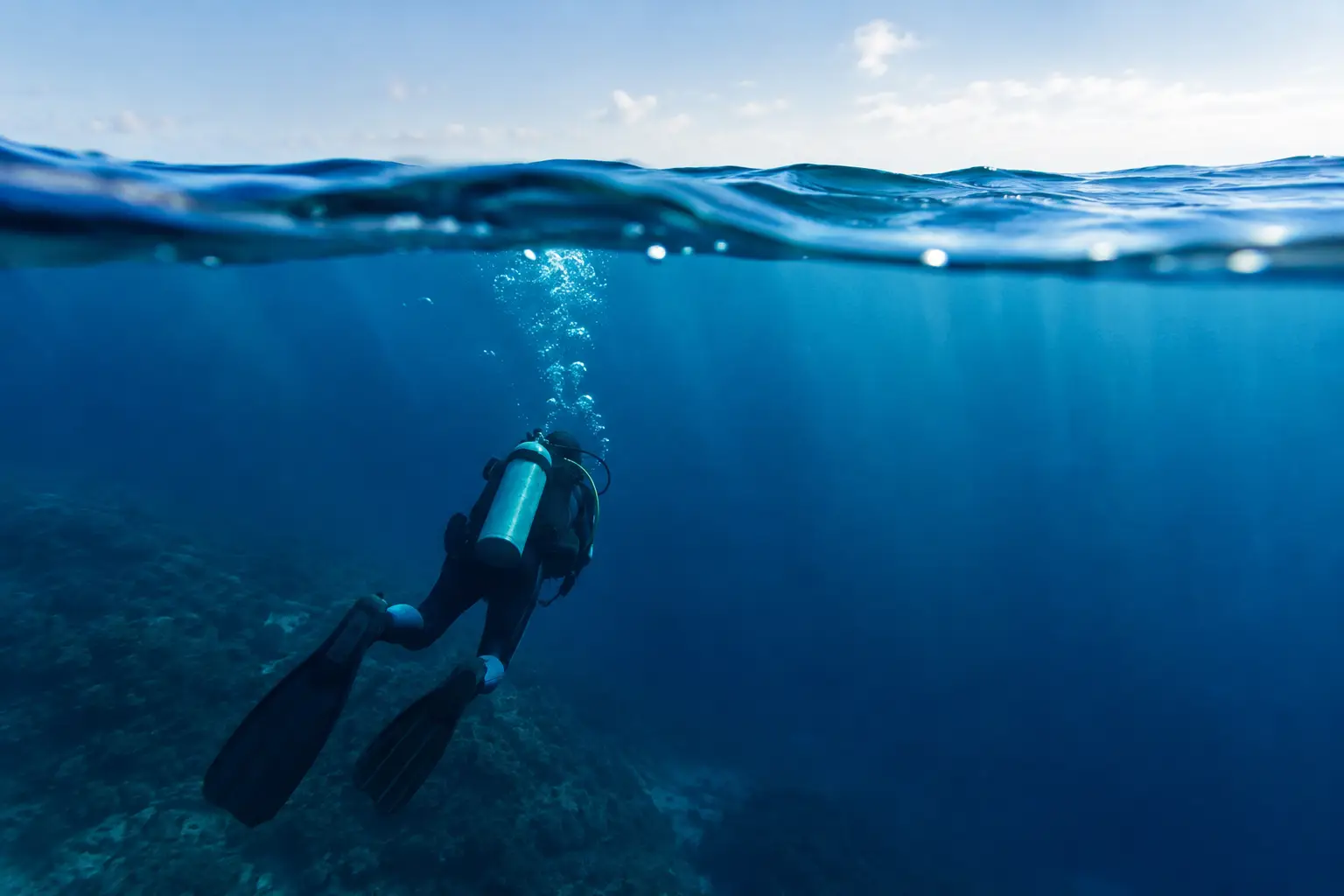
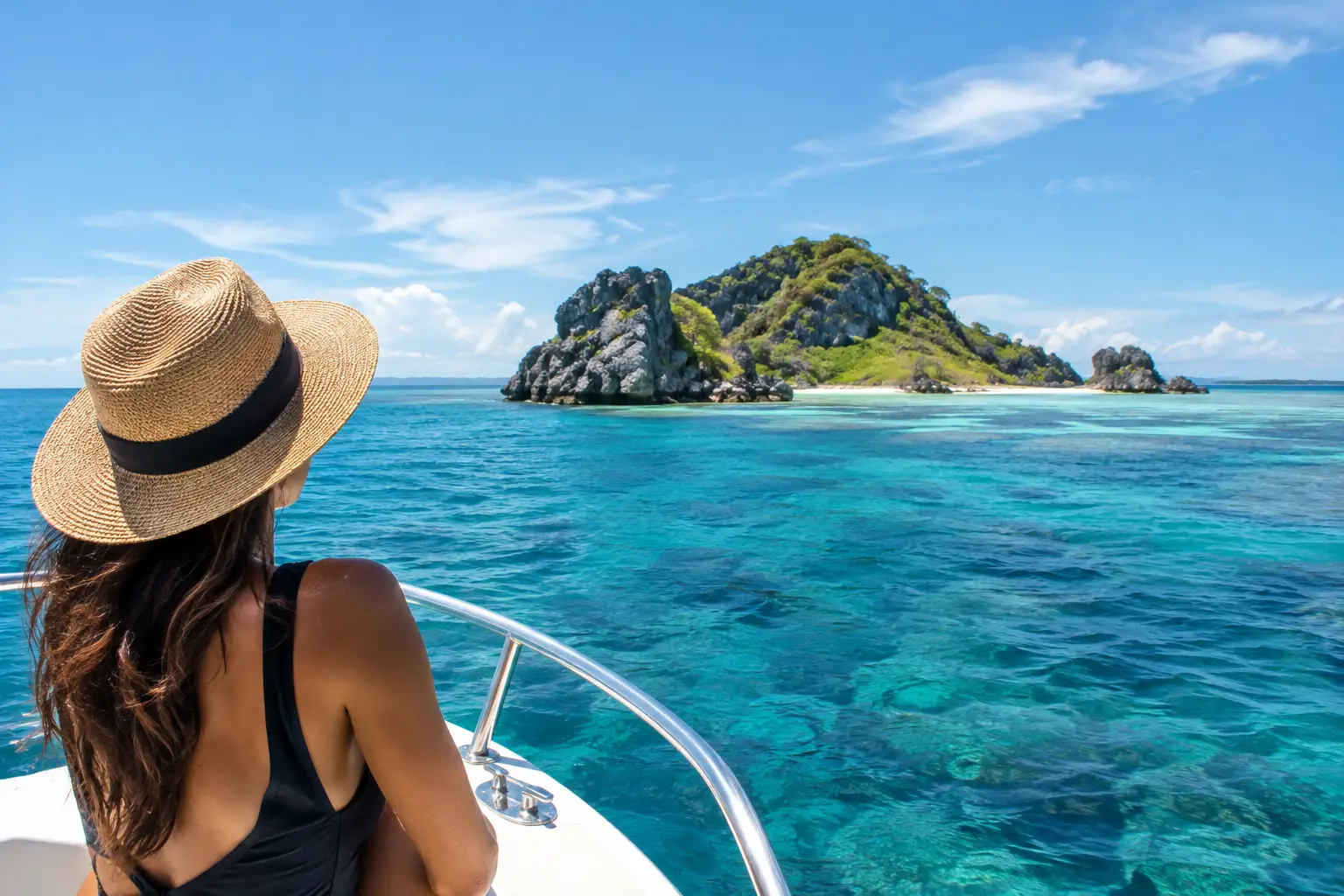
For many visitors, the appeal starts before descent. The coastline falls away, the resort noise disappears behind the boat, and the surface opens into a deeper shade of blue. Beneath it, Peñón Reef offers a more dimensional side of the Dominican Republic - one shaped by coral formations, swim-through-style contours, and the possibility of encounters that feel genuinely wild.
Penon Reef Review: What the Dive Feels Like
Peñón means “large rock” or “crag,” and the name suits the experience. Rather than a flat garden reef where the route is obvious from the moment you descend, this site has relief. Coral-covered structure creates changes in depth, pockets of shadow, and natural lines for a guide to follow.
That variation matters. Beginner-friendly reef dives can be beautiful, but experienced divers often want a site with more texture and a stronger sense of exploration. At Penon Reef, you may move from brighter, fish-filled coral sections into areas where the reef drops away visually and the open water becomes part of the scene. It is not a cave dive, and it should not be treated like one, but the formations can add an adventurous feel to a well-planned recreational dive.
Visibility can turn the site from very good to unforgettable. On clear Caribbean days, sunlight reaches across the reef and makes the blues beyond it seem almost endless. On days with surge or reduced visibility, the dive becomes more intimate and navigation matters more. That is why conditions, not just a site name, should guide expectations.
Marine Life: The Reason to Slow Down
Penon Reef is not about racing from one “big animal” moment to the next. Its best rewards often appear when you slow your breathing and give the reef time to reveal itself.
Expect the familiar color and movement that make Caribbean reefs so satisfying: schools of grunts and snapper, blue tangs passing over coral heads, parrotfish working the reef, and angelfish moving through the shallows. Sergeant majors commonly gather in the water column, while smaller creatures can hide in cracks and under ledges. A patient diver may spot moray eels, lobster, cleaner shrimp, or a well-camouflaged crab.
The larger moments are less predictable, which is exactly how they should be. A barracuda may hold position in the blue. Turtles are possible. Rays and nurse sharks can appear depending on the season, conditions, and plain good fortune. No responsible operator should promise wildlife on command, but a guide who understands the site can help you look in the right places without disturbing the animals.
The reef itself deserves attention too. Healthy coral is not a backdrop for a checklist. It is a living habitat. Good buoyancy, careful finning, and a little distance from the structure protect the same ecosystem that makes the dive worth taking.
Who Will Enjoy Peñón Reef Most?
This site can work for a range of certified divers, but it is especially appealing for travelers who already feel comfortable underwater and want a dive that is more than an introductory lap around a reef. If you enjoy observing reef life, managing your trim around structure, and spending time in the blue between coral features, Penon Reef has plenty to offer.
Newly certified divers may enjoy it as well, provided the day’s conditions are suitable and they are honest about their comfort level. A first few dives after certification are often when divers learn the difference between simply completing a dive and truly relaxing into one. A calm briefing, a conservative depth plan, and a guide who does not rush the group can make all the difference.
For advanced divers, the appeal depends on what you seek. Penon Reef is not a wreck with a single iconic profile, nor is it a dedicated shark encounter. Its character is reef exploration: the changing terrain, the chance to find hidden life, and the satisfying rhythm of a proper Caribbean boat dive. If your priority is deep walls, technical profiles, or a specific species, another Punta Cana site may be a better fit that day.
Conditions Matter More Than a Perfect Photo
The Caribbean can look calm from the beach and still have current, surge, or changing visibility offshore. At Penon Reef, these variables influence the route, depth, entry, and amount of time spent near certain formations. They also affect who will have the best experience.
A professional dive plan begins with the actual conditions, not a fixed promise made days earlier. Your guide should explain the maximum planned depth, expected current, hand signals, buddy procedures, and what to do if you become separated. For less experienced divers, it is also worth asking whether the descent will be on a mooring line or in open water, and whether the group will be drifting.
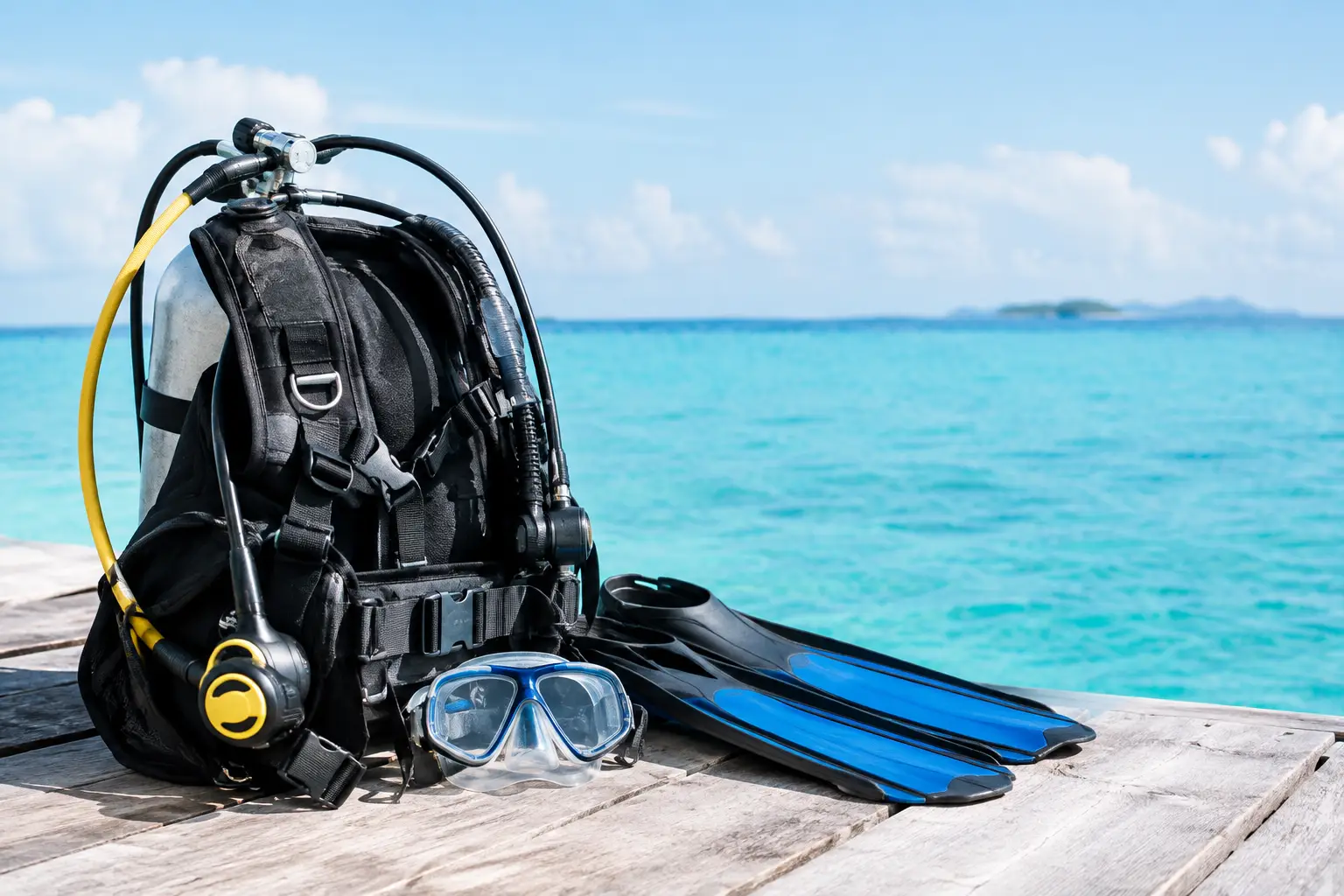
Equipment fit is another practical detail that changes a dive completely. A mask that leaks, poorly weighted buoyancy, or fins that rub can turn a beautiful reef into a long distraction. Take a few extra minutes before departure to check your setup. If you have a preferred mask or computer, bring it. If you are renting, speak up early about fit and comfort.
Why Small Groups Improve This Dive
At a structured site like Penon Reef, a small group is not just a luxury. It changes the underwater experience. Large groups tend to spread out, stir up sand near the reef, and force a guide to keep moving so nobody gets lost behind. The result can feel like following a procession rather than exploring the Caribbean.
With no more than four divers, a guide can adapt more easily to the people in the water. One guest may want help refining buoyancy. Another may be comfortable pausing for macro life. A couple may want a quieter, more private experience without being absorbed into a crowded boat schedule. Small groups make these adjustments possible while keeping safety and awareness at the center of the dive.
This approach is especially valuable for vacation divers. You may only have a few days in Punta Cana, and each dive should feel considered. Scuba & Chill combines certified PADI guidance, complete equipment, and transportation from Bávaro with groups capped at four divers, so the day can feel relaxed without becoming casual about safety.
How to Prepare for a Better Penon Reef Dive
You do not need to overthink the experience, but arriving prepared leaves more room to enjoy it. Get a good night’s sleep, hydrate well, and avoid heavy alcohol the evening before. Bring a towel, reef-safe sun protection for time on the boat, and a light layer if you get cold after diving.
If you have not been underwater for a while, say so during check-in. There is no prize for pretending that your last dive was recent. A brief skills refresh, extra time with your equipment, or a more conservative plan can restore confidence quickly. Divers who are comfortable tend to notice more, consume air more efficiently, and get greater value from the reef.
Photographers should consider their goals before jumping in. Wide-angle images can capture the reef’s contours and blue water, while a macro lens rewards patience around coral heads and ledges. Either way, protect the site first. Keep your fins off the reef, secure dangling gear, and never reposition marine life for a photo.
Is Penon Reef Worth It?
For divers looking for a colorful, structured Caribbean reef with a little more drama than a standard shallow cruise, the answer is yes. Penon Reef is worth the boat ride when conditions are favorable and the outing is matched to your experience level. It offers the kind of dive that feels different from the resort beach: deeper blue, more varied terrain, and a stronger sense that the reef is still in charge.
The best way to approach it is with curiosity rather than a rigid wish list. Come for the coral formations and the changing light. Let the fish, the visibility, and the occasional unexpected visitor be part of the surprise. A thoughtful guide and an unhurried group will help you leave with something better than a perfect checklist: a real memory of the Caribbean below the surface.
Want to dive in the Dominican Republic?
Tell us your level, dates and what kind of experience you want. We will help you choose a dive, course or excursion.
Talk on WhatsApp