Vacation Diving: Essential equipment for vacation diving
Plan your Caribbean dives with the right essential vacation diving equipment: what to pack, what a PADI center supplies, and how to travel lighter with ease.
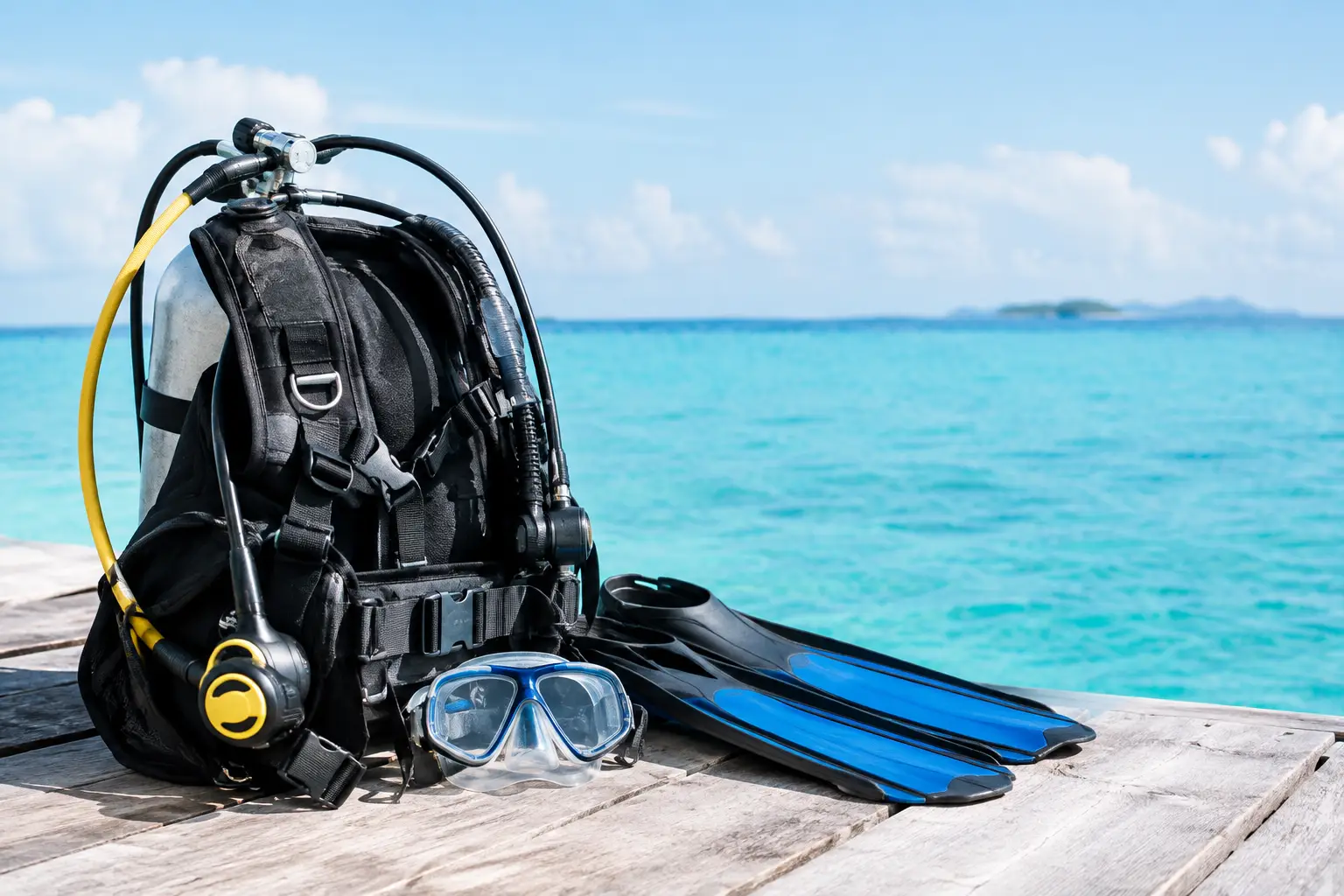
A mask that leaks can distract you from a sea turtle. Fins that rub can turn a relaxed reef dive into a long swim back to the boat. That is why choosing your essential vacation diving equipment deserves a little thought before you arrive in Punta Cana. The goal is not to travel with a giant gear bag. It is to bring the few personal items that make every underwater moment more comfortable, familiar, and enjoyable.
For most vacation divers, a professional dive center supplies the technical equipment: tank, regulator, buoyancy control device, weights, and often a wetsuit. Your personal packing decisions should focus on fit, hygiene, and the small details that help you feel at home beneath the surface of the Caribbean.
What a vacation dive center normally provides
A reputable PADI operation will inspect, maintain, and set up the essential life-support equipment for the conditions and the planned dive. This typically includes a properly filled tank, regulator with an alternate air source, BCD, pressure gauge or dive computer, weight system, and exposure protection appropriate for the water temperature.
That arrangement is especially practical when you are flying into the Dominican Republic. Regulators and BCDs are excellent investments for frequent divers, but they add bulk, require careful packing, and can take up most of a suitcase. Renting quality equipment locally lets you travel lighter while still diving with gear selected for the site, whether you are visiting a calm reef, a dramatic wall, or a historic wreck.
At Scuba & Chill, complete equipment is part of the experience, along with complimentary transportation from Bávaro and small groups of up to four guests. That leaves you free to focus on the blue water ahead rather than on arranging heavy equipment during your vacation.
The personal gear worth packing
Your mask: the one item that should fit perfectly
If you buy only one piece of dive gear before a trip, make it your mask. A well-fitting mask creates a watertight seal without painful pressure across the bridge of your nose. It should stay gently in place when you inhale through your nose without using the strap.
Try it before departure, ideally in a pool or during a local dive. New masks also need proper preparation to reduce fogging. Bring a small bottle of reef-conscious defog solution or use the product recommended by your instructor. Avoid touching the inside lens after applying it, because fingerprints can encourage fog during the dive.
Prescription divers have an even stronger reason to bring their own mask. Corrective lenses can transform a blur of blue into a reef full of tiny details: juvenile fish, coral textures, and the shifting colors of a sponge garden.
Snorkel, fins, and booties: comfort depends on the plan
A snorkel is optional for many boat dives, but it remains useful when surface conditions require waiting away from the boat or when you want to snorkel on a free afternoon. Choose a simple, comfortable model rather than the largest one on the shelf.
Fins are more personal. Full-foot fins work well for warm-water snorkeling and shore entries with soft sand. Open-heel fins paired with dive booties provide more protection and are often the better choice for boat ladders, uneven shorelines, or longer days in the water. The trade-off is luggage space. If you only expect one or two guided dives, rental fins are often the sensible option. If you are sensitive to fit or prone to blisters, bringing your own can be worthwhile.
Do not size fins as if they were running shoes. A fin that feels comfortably snug on land may become loose once wet. Conversely, an overly tight foot pocket can create numbness and cramps. Test your setup while kicking in water whenever possible.
A dive computer if you are certified and familiar with it
Certified divers who own a dive computer often prefer to bring it. You know its display, alarms, conservatism settings, and logbook history. It also gives you continuity when diving across several days.
But a computer only improves a dive when you know how to use it. Do not make a Caribbean vacation the first time you navigate an unfamiliar menu system underwater. Your guide will plan the dive and monitor the group, yet each certified diver remains responsible for following their own no-decompression limits, depth, and ascent rate. If you do not own a computer, ask whether one is available with your rental setup and listen carefully during the briefing.
What you do not need to pack
Traveling with everything you own can make a vacation feel like an expedition before you have even seen the ocean. For most recreational visitors, there is no need to bring tanks, weights, or a full set of rental-grade equipment. These items are heavy, awkward to fly with, and better matched locally to the boat, water conditions, and dive plan.
A wetsuit is another item that depends on personal preference. Caribbean water is warm, but multiple dives, rain, wind on the ride back, and individual cold tolerance all matter. Some divers are happy in a rash guard or thin shorty; others prefer a 3 mm wetsuit for comfort and sun protection. Check what your operator provides before deciding whether yours earns a place in the suitcase.
Underwater cameras are tempting, especially in clear tropical water. Bring one if you already know it well. If not, consider leaving it behind for your first dive at a new destination. Buoyancy, awareness, and enjoyment come before photographs. The best image of a ray gliding over the reef is not worth losing track of your buddy or touching coral while trying to frame it.
A smart carry-on strategy for dive travelers
Some items are difficult to replace at short notice and deserve a place in your carry-on bag. Your mask, dive computer, prescription mask, certification card or digital proof of certification, swimsuit, and medications should travel with you. Checked luggage can be delayed, but a mask that fits and your dive credentials keep your plans flexible.
For a day on the boat, pack these practical essentials:
- A reusable water bottle and a light snack if your operator permits it
- Reef-safe sunscreen for before and after the dive, not immediately before entering the water
- A towel, dry clothes, and a light layer for the ride back
- Sunglasses, a hat, and motion-sickness medication if you use it
- A waterproof pouch for your phone, certification details, and any small valuables
Apply sunscreen well before boarding so it can absorb. Better yet, use shade, a long-sleeve sun shirt, and a hat whenever you are above water. Healthy reefs depend on small choices from every visitor.
Gear checks that build confidence before the first descent
Even when a center prepares your equipment, take part in the pre-dive check. Confirm that your BCD inflates and deflates, breathe from both regulator second stages, locate your weight release, and ask how your computer works. Make sure your mask strap sits flat and that your fins are secured before entering the water.
This is not about mistrusting the crew. It is about becoming an active, calm diver. A personal briefing is particularly valuable for guests returning to the sport after several years, first-time ocean divers, and anyone who feels nervous about equipment. Say so. A good instructor would rather spend five extra minutes adjusting your mask or reviewing hand signals than rush you toward the descent line.
Let the destination shape your gear choices
The best equipment plan depends on the experience you want. A relaxed first ocean dive near Bávaro calls for simplicity, comfort, and close guidance. A certified diver visiting a wreck or deeper wall may value their own computer, a familiar mask, and more exposure protection. A private trip with family may make snorkeling gear and sun coverage more useful than advanced dive accessories.
No piece of gear replaces preparation, but the right familiar items remove distractions. Pack the mask that lets you see clearly, wear fins that let you move easily, and trust a qualified team with the equipment designed for the dive. Then, when the boat slows over clear Caribbean water, you can give your attention to what came for: the quiet, colorful world waiting below.
Want to dive in the Dominican Republic?
Tell us your level, dates and what kind of experience you want. We will help you choose a dive, course or excursion.
Talk on WhatsApp