Bubblemaker Minimum Age: Is Your Child Ready?
Wondering about the Bubblemaker minimum age? See PADI age, water-safety requirements, what children do, and how to plan a relaxed first dive in Punta Cana.
A child’s first breaths underwater can become one of those vacation memories the whole family keeps talking about. If you searched for “Bubblemaker minimum age,” the straightforward answer is eight years old. But age is only the starting point. Comfort in the water, confidence listening to instructions, and the right supervised setting matter just as much.
The PADI Bubblemaker experience gives children a carefully guided introduction to scuba in shallow water. It is designed to feel exciting without turning their first encounter with the Caribbean into a test of courage. For families staying in Bávaro or Punta Cana, that balance is the point: a real underwater adventure, managed at a child’s pace.
What Is the Bubblemaker Minimum Age?
The official PADI Bubblemaker minimum age is 8 years old. Children must be at least eight on the day of the activity. There is no benefit in pushing this threshold. Below that age, children can still build water confidence through swimming, snorkeling from the surface, and observing marine life close to shore, but they should wait for scuba equipment and compressed air.
At eight, a child can participate in Bubblemaker under direct professional supervision in confined, shallow water. The maximum depth is 6 feet, or 2 meters. That shallow limit is intentional. It allows kids to experience the sensation of breathing underwater while staying close to the surface, the instructor, and a familiar exit point.
Bubblemaker is an experience, not a full scuba certification. Your child will learn a few essential skills and enjoy a short underwater session, but they will not leave qualified to dive independently. That distinction helps parents set the right expectations. This is a first chapter in scuba, not a fast track to advanced diving.
Age Is Only One Part of Readiness
An eight-year-old who loves the ocean may be ready. Another child of the same age may need another season in the pool, and that is completely fine. The best first underwater experience is the one where the child feels heard, never rushed, and free to stop.
Before booking, consider whether your child can swim comfortably or at least remain calm while wearing a flotation device in water. They should be able to follow simple instructions, communicate when they are uncomfortable, and accept that the mask, regulator, and bubbles can feel unusual for the first few minutes.
They do not need to be fearless. In fact, a little nervousness is normal. What matters is curiosity and a willingness to try after a clear explanation. A strong instructor recognizes the difference between normal first-time hesitation and genuine discomfort. If a child is not enjoying the experience, the right decision is to pause, return to the surface, and celebrate the attempt rather than insist on finishing.
Parents should also complete the required medical paperwork honestly. Certain ear, sinus, lung, or heart conditions may require a physician’s approval or mean that scuba is not appropriate at that time. A recent cold, congestion, or earache can also make pressure changes uncomfortable. The safest plan is always to reschedule rather than hope a child will feel better once in the water.
What Children Actually Do During Bubblemaker
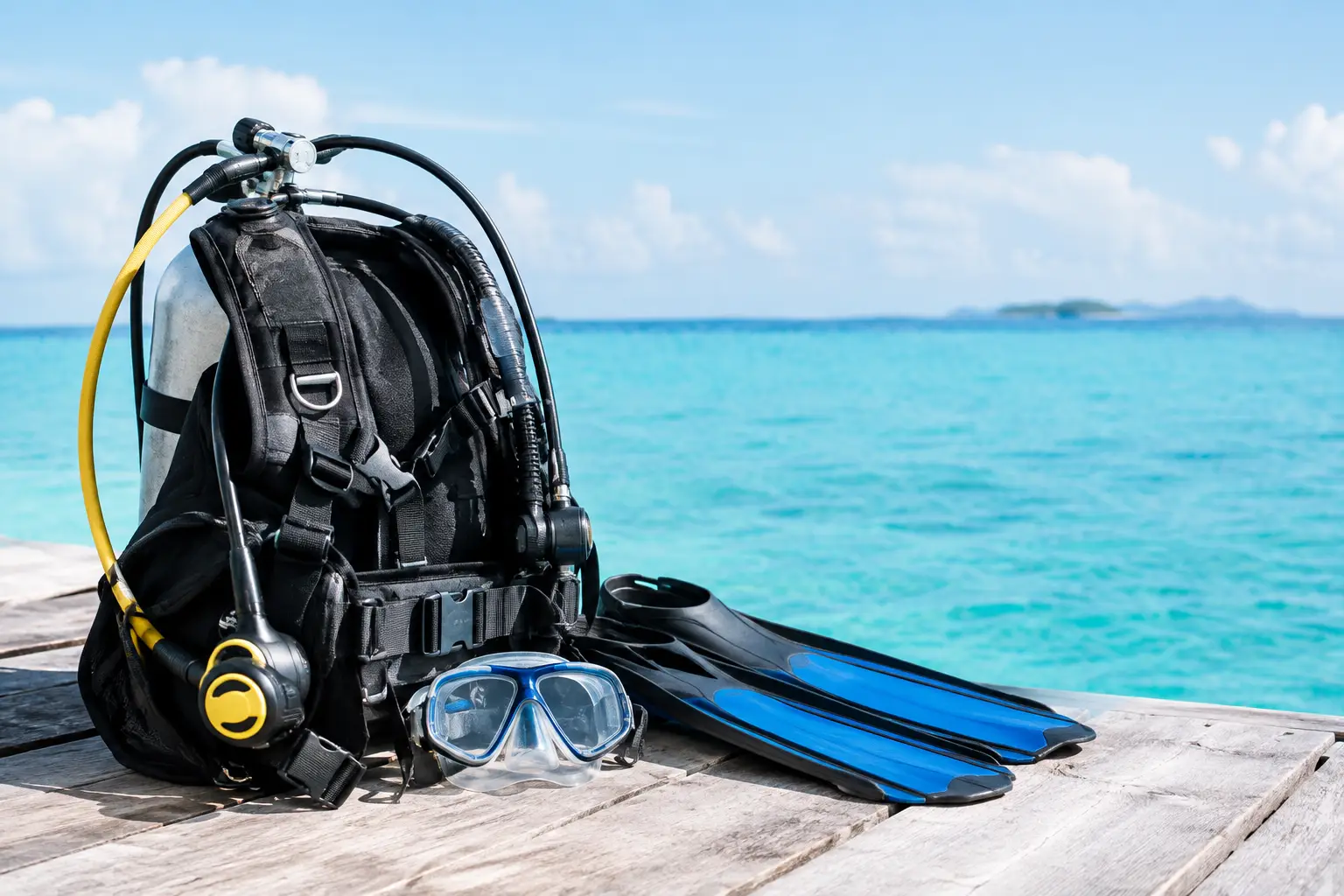
The magic begins before anyone goes underwater. A PADI professional introduces the equipment in simple language: the tank holds breathing gas, the regulator is the part they breathe from, and the mask lets them see the underwater world clearly. Children can touch the gear, ask questions, and become familiar with the sounds before the session starts.
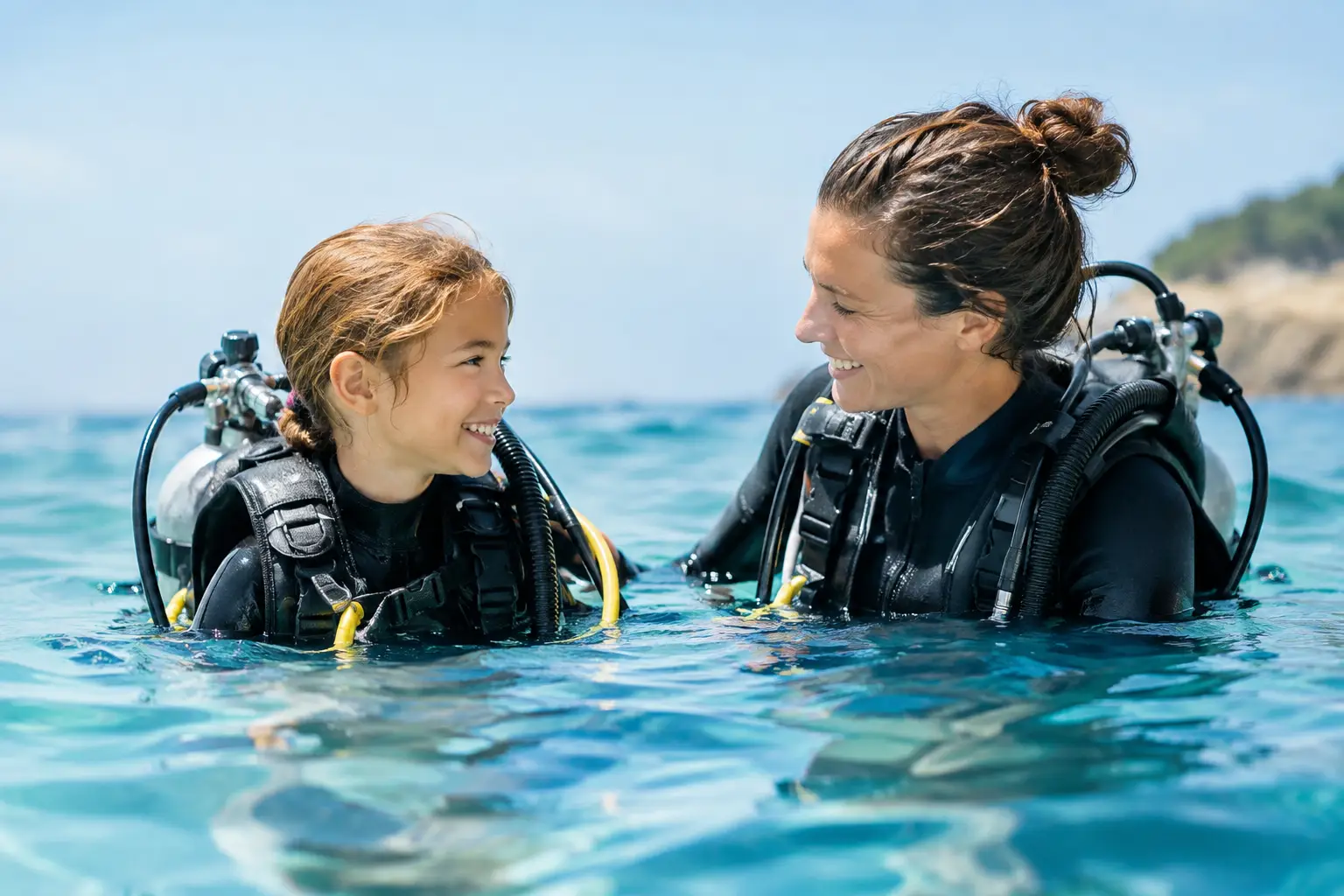
Once in the water, the instructor stays within arm’s reach and moves slowly. Children practice breathing through the regulator at the surface, then submerge in shallow water for a closely monitored introduction. They may learn how to clear a little water from their mask, use basic hand signals, and move gently while observing the bottom.
The exact format depends on the child, the site conditions, and the instructor’s professional judgment. Some kids are ready to explore for a little longer after their first breaths. Others are happiest with a brief underwater moment followed by time at the surface. Neither response is better. A successful Bubblemaker is one that leaves a child proud, comfortable, and eager to tell their family what it felt like to breathe underwater.
Why Shallow Water Does Not Mean a Small Adventure
Adults sometimes assume that 6 feet of water cannot feel memorable. For a child, it can feel like entering another planet. Sunlight flickers across the bottom, bubbles rise above their mask, and ordinary swimming becomes a new kind of floating. The depth limit keeps the setting controlled while the experience still feels extraordinary.
This is also why Bubblemaker works particularly well as a family vacation activity. It does not require a full day of training or a long boat ride. Instead, it creates a focused moment of discovery that can fit comfortably around beach time, family meals, and the slower rhythm many visitors want from Punta Cana.
A smaller group makes a meaningful difference here. Children respond well when they are not competing for attention or trying to keep up with a crowded class. At Scuba & Chill, groups are limited to four guests, giving instructors room to explain, observe, and adapt to each child’s reactions. That personal attention supports safety, but it also makes the activity more relaxed for parents watching their child take those first underwater breaths.
How Parents Can Help Before the Session
The most useful preparation is simple and low-pressure. Let your child know they will never be forced underwater and that it is okay to signal if they want to stop. Avoid presenting Bubblemaker as a bravery challenge. Frame it as a chance to try something new with a trained guide beside them.
A swim in a pool before the trip can help, especially if your child has not worn goggles or put their face in the water recently. Practice slow exhaling through the mouth and getting comfortable with water on the face. There is no need to teach scuba skills at home. The instructor will teach what is appropriate, in the correct order, with properly fitted equipment.
On the day, choose a time when your child is rested and has eaten lightly. Avoid scheduling immediately after a long excursion, a late night, or hours in the hot sun. Bring a swimsuit, towel, dry clothes, and a positive attitude. The center should provide properly maintained scuba equipment sized for children and explain the plan before entering the water.
Questions Worth Asking a Dive Center
Not every children’s activity is delivered with the same level of care. Parents should feel comfortable asking who will supervise the experience, whether the instructor is PADI certified, how many participants are in the group, and where the activity takes place. Ask about the maximum depth, the condition and sizing of the equipment, and what happens if a child decides not to continue.
It is also wise to ask about transportation if you are staying in Bávaro. Vacation logistics can make a family outing feel harder than it should. A clear meeting plan, responsive communication, and included transportation remove unnecessary stress before an activity that already brings healthy first-time excitement.
Be cautious with any operator that promises too much, moves children through the briefing too quickly, or treats a child’s fear as something to overcome. The best professionals are patient. They know that an eight-year-old’s first session is not about covering the most distance or seeing the most fish. It is about building trust in the water.
What Comes After Bubblemaker?
For many children, Bubblemaker is simply a special vacation memory. For others, it sparks a lasting connection with the ocean. Once they reach age 10, they may be eligible for the PADI Junior Open Water Diver course, depending on their readiness and the program requirements. That course involves more training, more skills, and a greater commitment than Bubblemaker, so it should be chosen because the child wants to learn, not because they enjoyed one short session.
In the meantime, snorkeling is a wonderful next step. It strengthens comfort around marine life, encourages calm breathing, and teaches children to observe rather than touch the reef. A first scuba experience can also open useful family conversations about coral protection, respecting wildlife, and why keeping the Caribbean healthy matters.
The right age to begin is eight. The right moment is when your child is curious, comfortable, healthy, and supported by a patient professional. Give them room to take that first breath underwater at their own pace, and the Caribbean may become a place they see with entirely new eyes.
Want to dive in the Dominican Republic?
Tell us your level, dates and what kind of experience you want. We will help you choose a dive, course or excursion.
Talk on WhatsApp