Can Non Swimmers Try Diving? A Safe First Step
Can non swimmers try diving? Learn when a supervised Punta Cana first dive is appropriate, what safety requires, and how to prepare with confidence today.
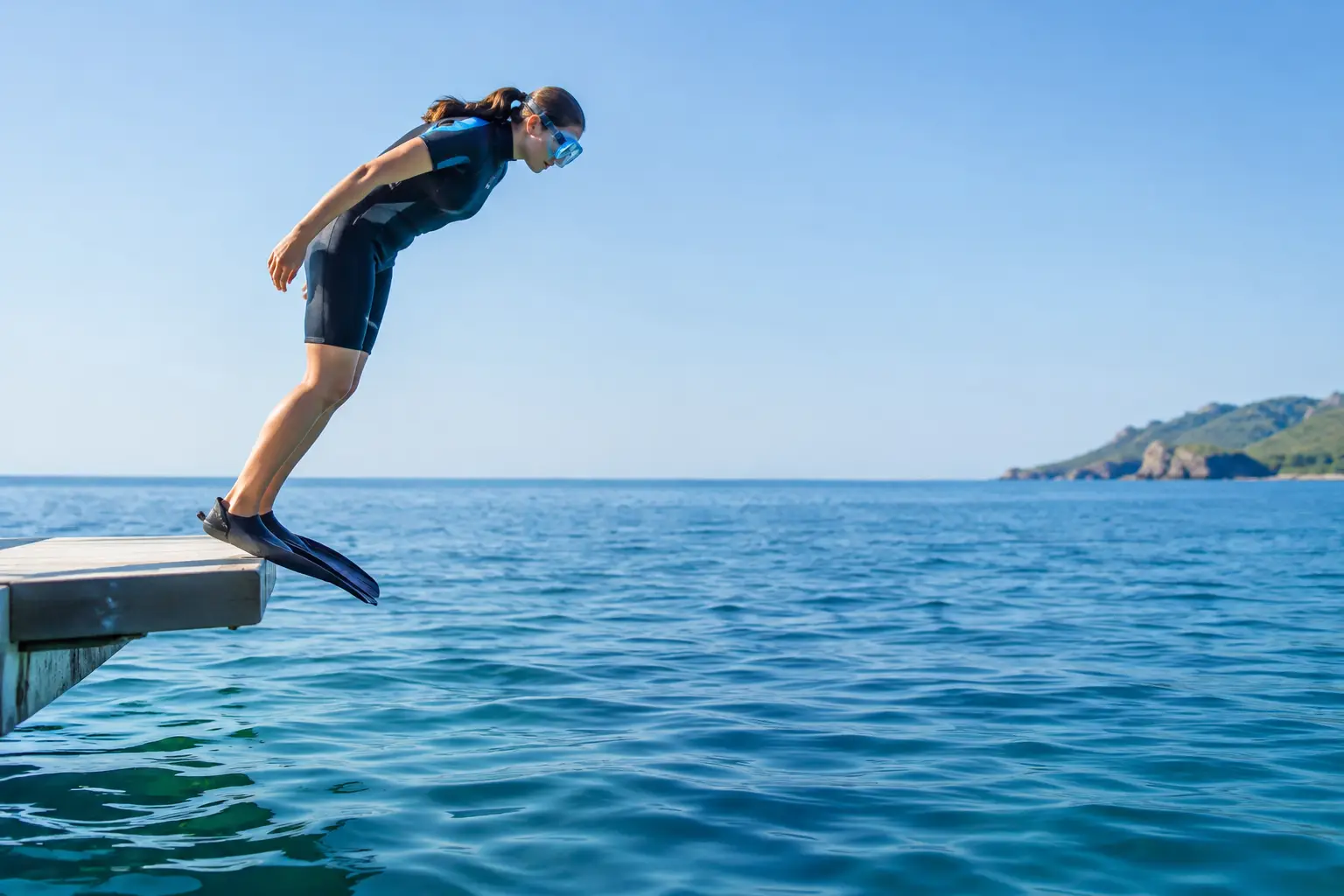
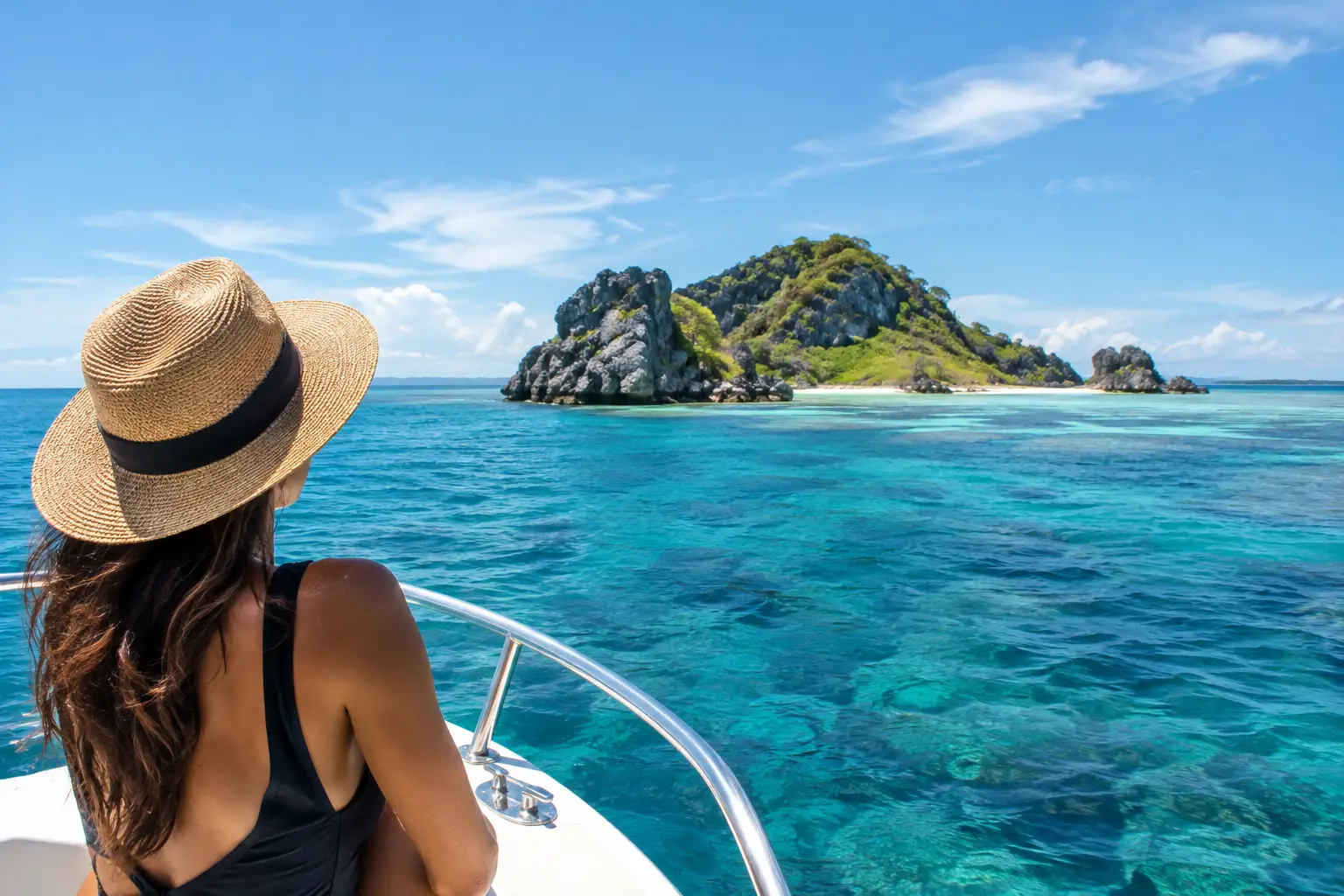
The ocean off Punta Cana can look irresistible from the boat: clear blue water, sun on the surface, and a reef waiting just below. But if you cannot swim, the question is understandably more serious than curiosity: can non swimmers try diving? In many cases, yes, they can experience an introductory scuba session in very controlled conditions. The right answer, however, is never a casual yes. It depends on your comfort in the water, your health, the site conditions, and the instructor’s professional judgment.
A first underwater breath can be extraordinary. It should also feel calm, unhurried, and closely supervised. For a non-swimmer, that means choosing a boutique experience built around shallow water, small groups, quality equipment, and an instructor who has time to focus on each person.
Can Non Swimmers Try Diving Safely?
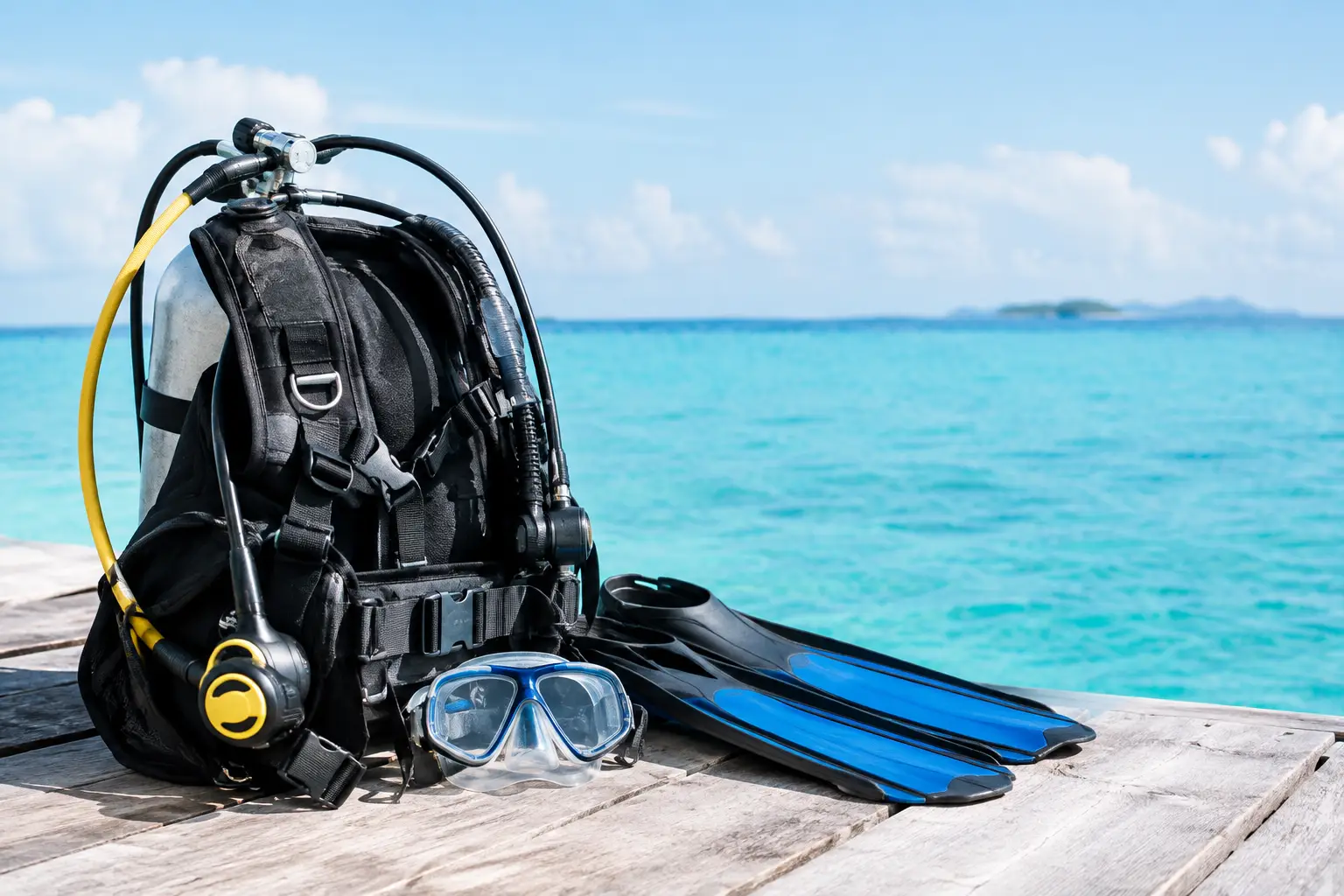
Not being able to swim does not automatically prevent you from trying scuba. A Discover Scuba Diving-style experience is designed for first-time visitors who want to try breathing underwater without completing a full certification course. Before entering open water, you learn essential skills in a pool or similarly calm, shallow area: how to breathe through the regulator, clear water from your mask, recover the regulator if it comes out of your mouth, and communicate with hand signals.
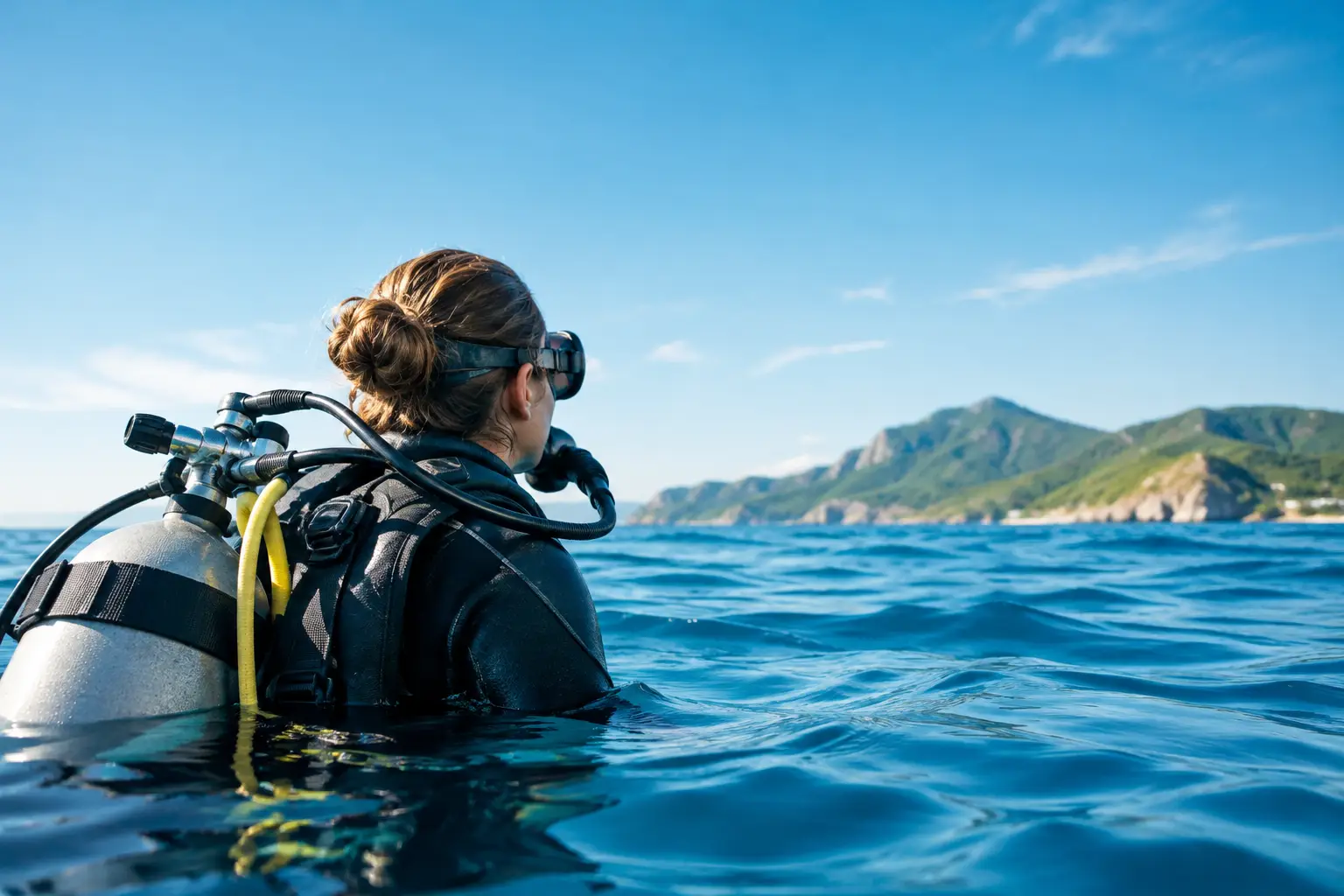
You are not expected to swim independently across a reef. You wear a buoyancy control device, use fins, and remain beside your PADI professional throughout the experience. The instructor manages the pace, checks your comfort often, and can end the session at any point if the water does not feel right.
Still, scuba is not a passive ride. You need to be able to listen, stay calm, follow simple instructions, breathe steadily, and avoid panicking if a little water reaches your mask. Someone who is nervous but willing to learn may do very well. Someone with intense fear of putting their face in water may be happier starting with a pool session or waiting until they feel more comfortable.
Trying Scuba Is Different From Getting Certified
This distinction matters. An introductory dive is a supervised taste of scuba. A certification course teaches you to plan and conduct dives with a buddy, manage your own equipment, and respond to common underwater problems. That independence requires more water confidence.
For the PADI Open Water Diver course, students must complete a swim assessment and a float or tread-water survival skill. The specific swim option may vary, but the point is clear: certified divers need basic swimming ability because they are learning to dive independently after the course.
So, can non swimmers try diving? Yes, often under direct professional supervision. Can they skip swimming skills and become certified divers right away? No. The encouraging part is that many people use an introductory scuba experience as motivation to take swimming lessons when they return home. Feeling weightless over a Caribbean reef can be a powerful reason to build that confidence.
What a Good First Experience Looks Like
For beginners, location and group size make a real difference. A deep wall, strong current, wreck penetration, or a crowded boat schedule is not the place to discover whether breathing underwater feels natural to you. Your first experience should be deliberately simple.
Look for an operator that begins with a clear briefing, fits equipment carefully, and gives you time to practice before moving into open water. The best instructors do not rush through skills to keep a timetable. They watch your breathing, body language, and comfort level. If you need to hold onto a line for a moment, repeat a skill, or simply pause and regroup, that is part of learning.
At Scuba & Chill, groups are kept to a maximum of four divers, which is especially valuable when one or more guests are new to the water. Rather than being swept into a large group of strangers, you have room to ask questions and receive personal attention from a certified PADI instructor. Transportation from Bavaro and complete equipment also remove some of the usual vacation logistics, leaving you free to focus on the experience itself.
A suitable first dive usually stays shallow and sheltered, with easy entry and exit. In conditions that are calm and clear, you may see colorful reef fish, coral formations, and the gentle movement of life in the Caribbean blue. The depth is not the achievement. Feeling relaxed enough to notice what is around you is.
Your Comfort in Water Matters More Than Your Swimming Label
“Non-swimmer” covers many different situations. Some people cannot swim laps but are comfortable floating, wearing a life jacket, and putting their face in the water. Others avoid pools completely and feel anxious as soon as their feet leave the bottom. These guests need different starting points.
If you are comfortable in chest-deep water and curious about breathing through a snorkel or regulator, an introductory scuba session may be a realistic option. If you have never put your face underwater or feel panicked when water splashes your face, be honest about that before booking. A responsible instructor may suggest beginning with a private pool orientation, snorkeling with flotation, or swimming lessons before attempting an ocean dive.
There is no prize for pushing past fear. The goal is not to prove bravery to your travel companions. It is to create a safe, enjoyable memory of the Caribbean Deep that you genuinely want to repeat.
How to Prepare Before Your Punta Cana Dive
You do not need to arrive as an athlete, but a little preparation helps. Spend time in a pool before your trip if possible. Practice floating with a noodle or life vest, breathing slowly with your face near the water, and relaxing your shoulders. Even a short session can make the first scuba briefing feel much more familiar.
Tell the dive center exactly where you stand. Mention if you cannot swim, have had a bad experience in water, or are concerned about mask clearing. This is useful information, not something to hide. A professional team can adapt the briefing and determine whether the day’s conditions suit your experience level.
You will also complete a medical questionnaire. Certain medical conditions, recent surgeries, pregnancy, heart or lung concerns, and some medications may require medical clearance before diving. Never treat this form as paperwork to rush through. Underwater pressure changes affect the body, and good decisions begin before you board the boat.
On the day, eat a light meal, hydrate well, and avoid alcohol. Listen carefully during the briefing, especially when your instructor explains equalizing your ears. If you cannot equalize comfortably while descending, signal early. Do not force it. A slower descent, a return to shallower water, or stopping the dive is always the correct call when your body says no.
Questions to Ask Before You Book
A few direct questions can help you choose the right experience. Ask whether non-swimmers are accepted for the specific program, whether you will practice skills before open water, and what depth is planned. Confirm the maximum group size and whether an instructor stays with you for the entire dive.
It is also smart to ask about weather and current policies. Caribbean conditions can be beautiful, but the sea decides the plan. A center that changes sites or reschedules when conditions are unsuitable is protecting your experience, not diminishing it.
Finally, be wary of anyone who promises that scuba is effortless for absolutely everyone. Great instructors make the process feel accessible, but they also respect the limits of each guest. Safety is not an add-on to the adventure. It is what allows the adventure to feel free.
When You Should Wait
There are times when waiting is the wisest choice. If you are currently unable to put your face in water without panic, are fighting a cold or ear congestion, have not completed the medical screening honestly, or feel pressured by friends, postpone the dive. The reef will still be there.
Choosing to start with a pool, a guided snorkel, or a few swimming lessons is not missing out. It is building the foundation for a much better first scuba experience later. Many confident divers began with the same uncertainty.
The right first dive is not measured by how deep you go or how bold you appear in a photo. It is measured by that quiet moment when you realize you are breathing calmly underwater, surrounded by Caribbean color, with a trusted professional close by and nowhere else you need to be.
Want to dive in the Dominican Republic?
Tell us your level, dates and what kind of experience you want. We will help you choose a dive, course or excursion.
Talk on WhatsApp