Caribbean Wall Diving Guide for Punta Cana
Plan a safer, more personal Caribbean wall diving guide experience from Punta Cana, with depth tips, skills, conditions, and the right dive plan today.
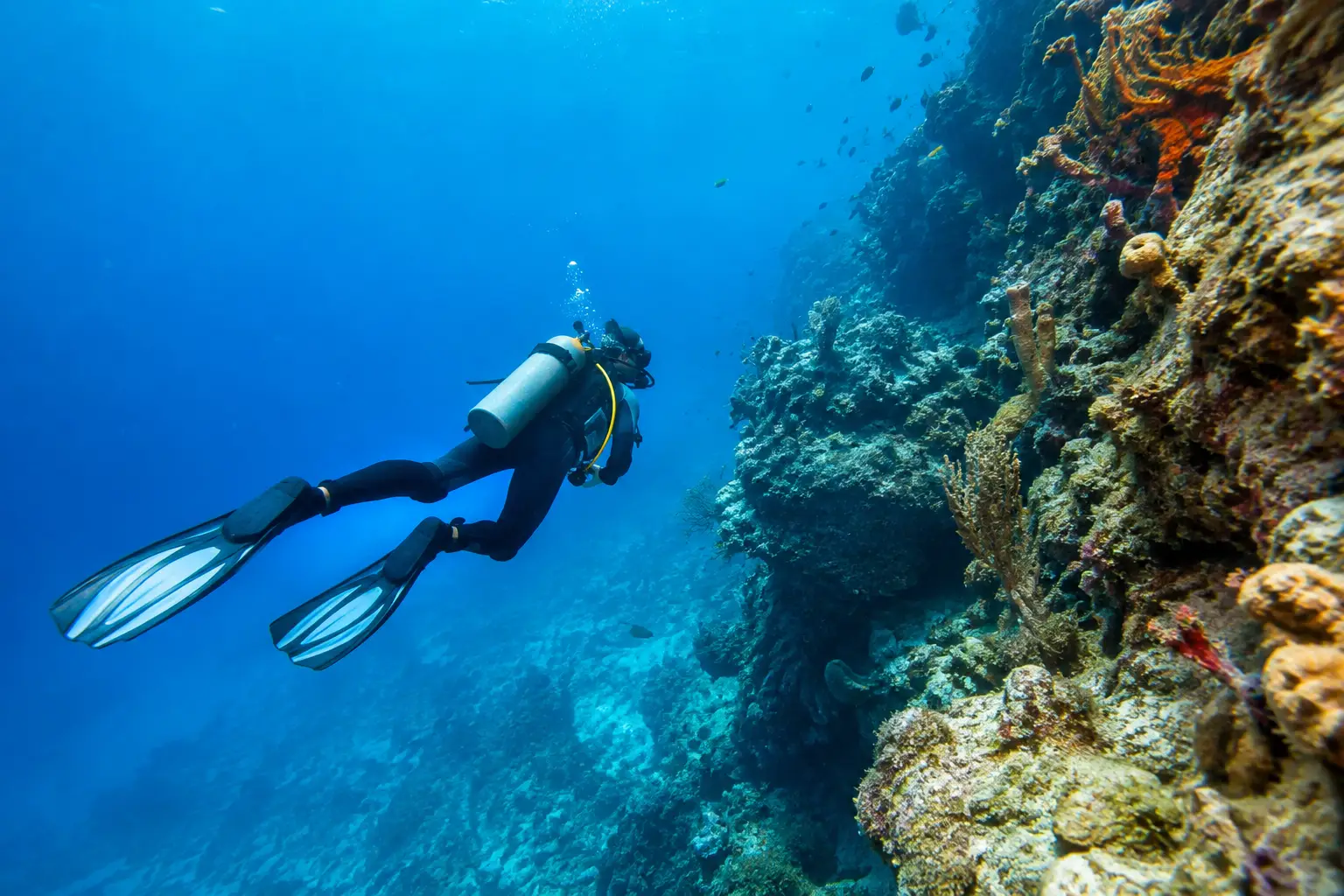
The moment a Caribbean reef drops from bright, sandy blue into a dark vertical world, the scale changes. A Caribbean wall diving guide is not just about finding the deepest site on the map. It is about choosing a wall that matches your training, reading the conditions well, and having enough time to enjoy the reef before your attention turns to depth, air, and ascent.
For divers visiting Punta Cana and Bávaro, wall diving can be one of the most memorable ways to experience the Caribbean Profundo. The shallow reef often begins in clear, sunlit water alive with schooling fish and coral structure. Then the bottom falls away. Sponges grow larger, sea fans lean into the current, and the blue beyond the reef feels almost endless.
That sense of space is powerful, but it deserves a thoughtful plan. The best wall dive is never a race downward. It is a controlled, relaxed exploration with a guide who knows when to pause, when to turn, and how to keep the group together.
What Makes Caribbean Wall Diving Different?
A wall is where a reef shelf, island edge, or underwater formation descends sharply into deeper water. Some walls begin at 30 feet, while others are reached after a longer swim across a shallow coral garden. The drop-off may be nearly vertical, stepped like a staircase, or covered in ledges and overhangs.
This changes the experience in several ways. You have a reference point beside you rather than beneath you, so buoyancy awareness becomes especially important. Marine life also shifts with the depth. Near the top, look for parrotfish, grunts, butterflyfish, and healthy hard coral. Along the face, you may spot barrel sponges, trumpetfish, schooling jacks, rays, and turtles passing through the blue.
Walls can appear calm from the boat while still holding a gentle current at depth. Visibility may be excellent, but that same visibility can make it easy to lose track of how far you have descended. That is why a good briefing covers the route, maximum depth, turnaround pressure, current plan, and the visual signals everyone will use underwater.
Is a Wall Dive Right for Your Experience Level?
Wall diving is not reserved only for technical divers. Many Caribbean walls have a shallow top reef where Open Water divers can enjoy a beautiful profile without going beyond their certification limits. You do not need to descend to the base of a wall to feel its drama.
If you are newly certified, prioritize comfort over depth. A dive profile that begins at the deeper approved section and gradually moves shallower is usually the smart choice. Stay close to the reef, check your computer regularly, and give yourself time to settle your breathing before focusing on photography or wildlife.
Advanced divers may have more depth available, but more depth is not automatically more interesting. At deeper levels, color fades, no-decompression time shortens, and gas consumption often rises. The better question is: what do you want from this dive? A slow pass along sponge-covered ledges, a chance to look into the blue for larger pelagic visitors, or a relaxed reef-and-wall combination can all call for different profiles.
Divers who have not been in the water for several months should consider a refresh before a wall dive. A few buoyancy drills, mask skills, and an easy first dive can make the following day far more enjoyable. Confidence is part of safety, and it is earned in the water, not assumed from a certification card.
Caribbean Wall Diving Guide: How to Plan the Dive
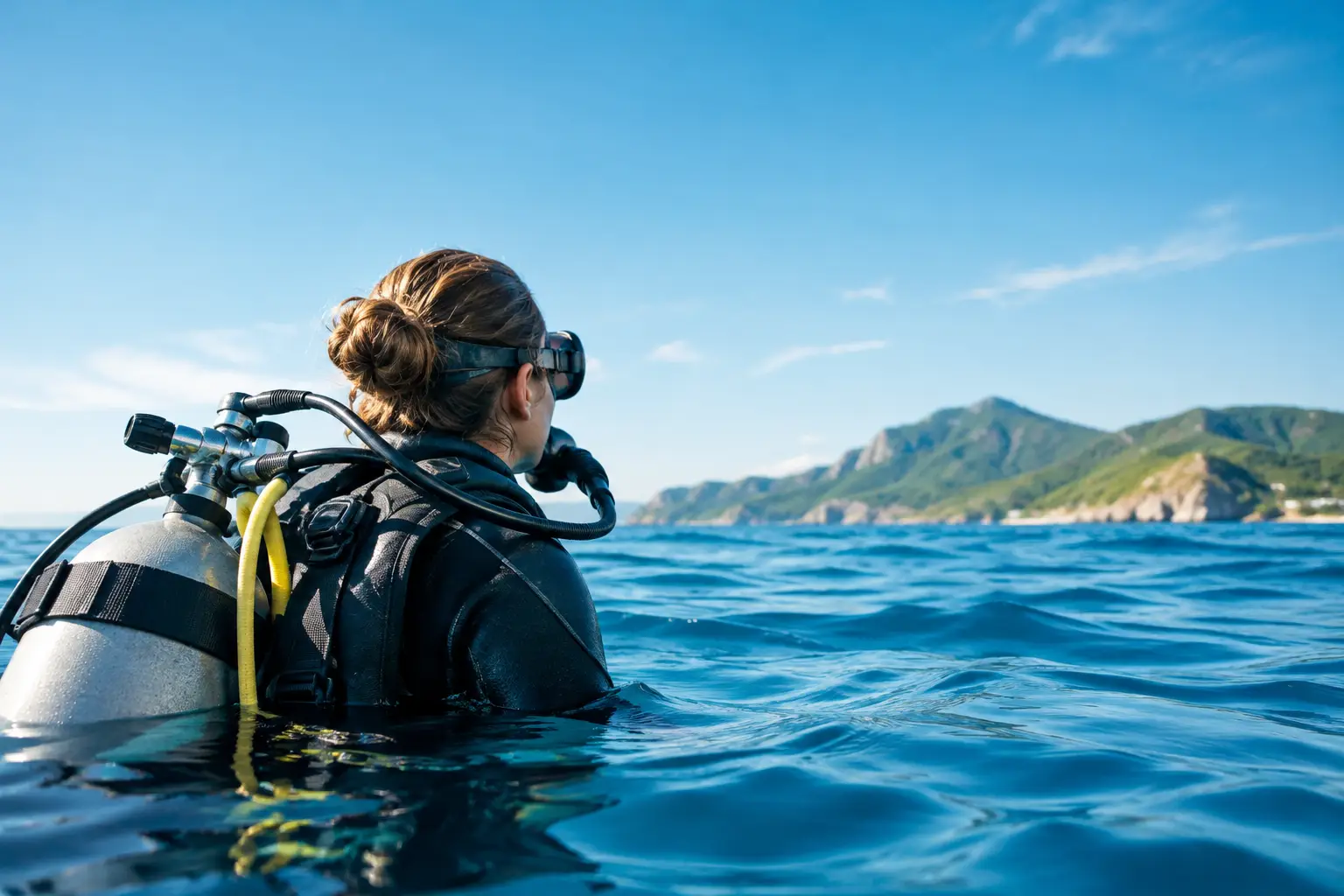
A well-run wall dive starts before you enter the water. Your guide should ask about your certification, recent diving, comfort in current, and any concerns you have about depth. Be honest. There is no prize for pretending that a 90-foot dive feels routine when it does not.
The briefing should be specific. You should know whether the descent will be on a mooring line, over a sloping reef, or directly beside the wall. You should also know where the group will gather if separated, the expected current direction, and the plan if conditions change.
Pay close attention to these practical points:
- Depth limit: Your personal limit is your certification limit, your computer limit, and your comfort limit. Follow the most conservative of the three.
- Buoyancy: Keep a slight visual reference with the reef or wall. Drifting into open blue or sinking below the group can happen faster than expected.
- Gas management: Check more often than you might on a shallow reef dive. Depth and excitement can increase your breathing rate.
- Current awareness: Do not fight a current to stay in one spot. A skilled guide can adjust the route, use the reef for shelter, or end the dive early if needed.
- Ascent discipline: Make a controlled ascent, complete a safety stop, and surface with a comfortable reserve of air.
The strongest operators keep groups small because walls reward attention. With no crowd of divers kicking around you, it is easier to hear the briefing, maintain position, and notice the small things: a juvenile fish tucked into a sponge, a moray watching from a crevice, or a ray fading into the deeper blue.
Choosing the Right Wall Near Punta Cana
Conditions matter as much as the site itself. Wind, swell, current, and recent rain can affect visibility and comfort, particularly during boat travel. A wall that is spectacular on a calm morning may be a poor choice when surface conditions make entries and exits uncomfortable.
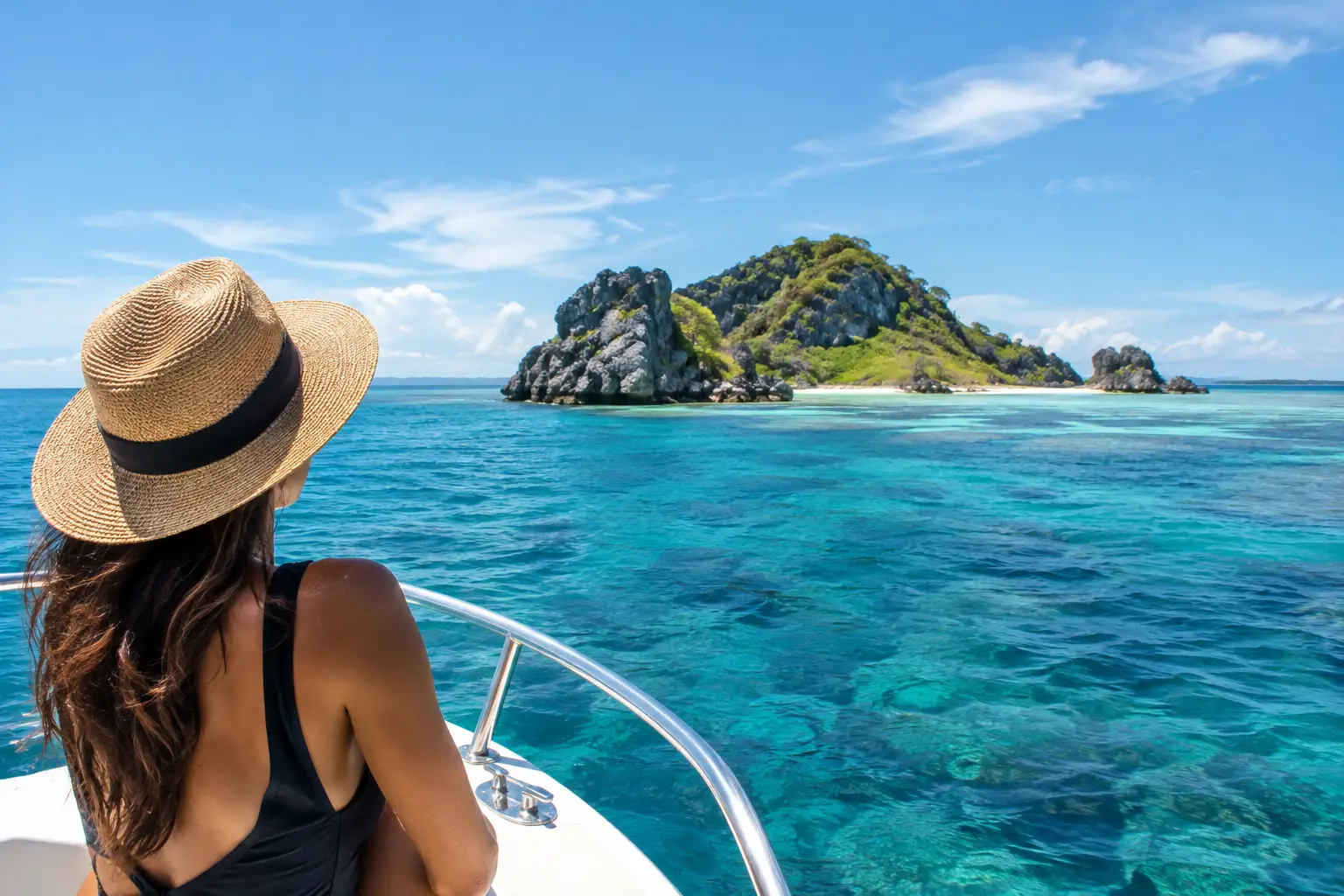
For travelers based in Bávaro or Punta Cana, offshore and island excursions can offer a change of pace from local reef diving. Island environments such as Isla Catalina or Isla Saona can combine coral gardens, reef slopes, and dramatic blue-water scenery, depending on the day’s route and conditions. The best itinerary is not always the one with the boldest name. It is the one that gives your group the best visibility, safest sea state, and most appropriate depth.
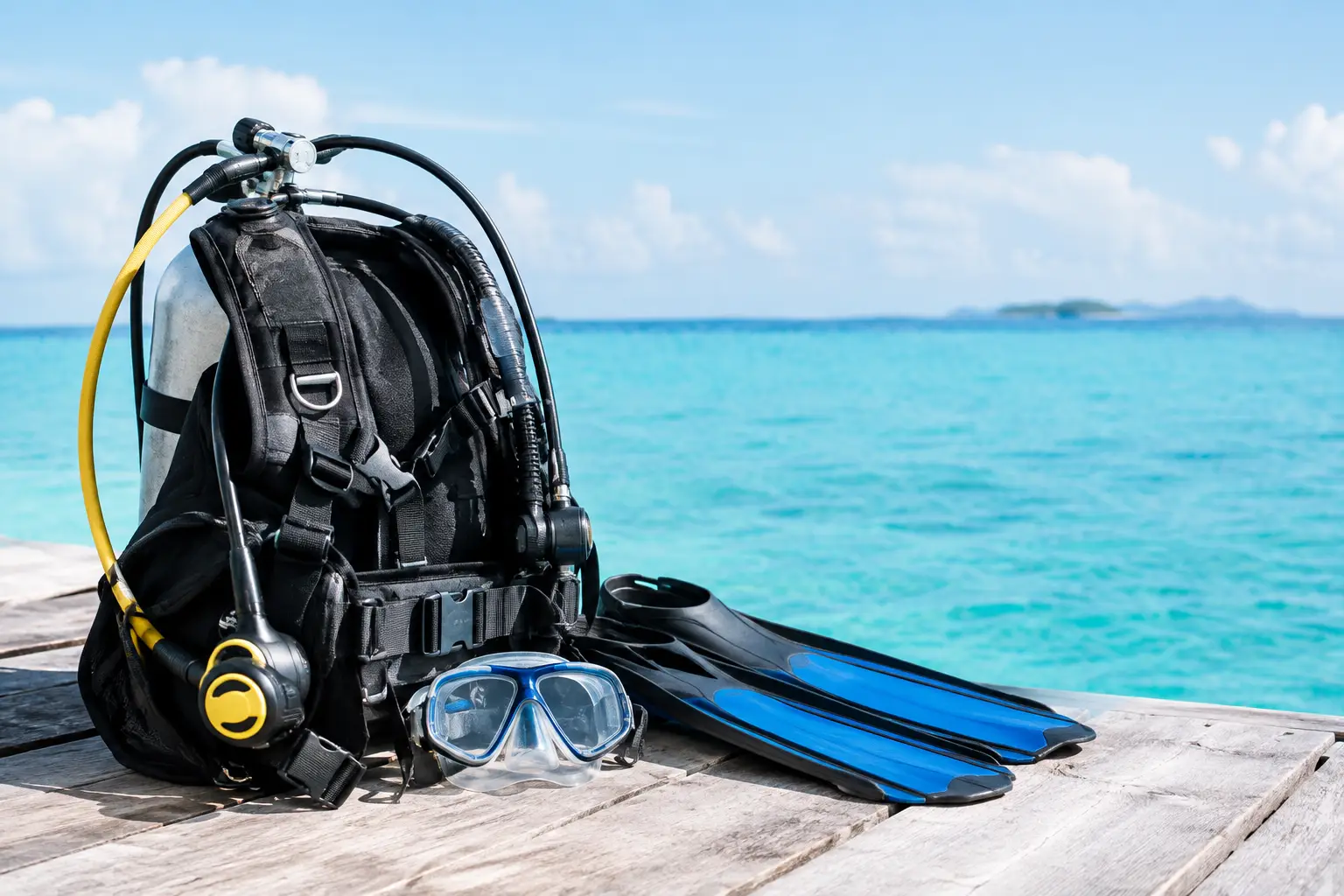
This is where a personalized operation makes a real difference. At Scuba & Chill, groups are limited to four divers, so the dive plan can reflect the people in the water rather than a fixed schedule built for a crowded boat. Transfers from Bávaro, full equipment, and PADI-certified guidance also remove the logistical friction that can make a vacation dive feel rushed.
If you are planning a private excursion as a couple, family, or group of friends, tell the team what kind of experience you want. Some guests want a gentle introduction to a drop-off with plenty of time in the shallows. Others want a more ambitious day that pairs a wall with a wreck, a shark point, or a second reef dive. The right plan depends on certifications, sea conditions, and energy level, especially after a long travel day.
Buoyancy Skills That Make the Wall More Enjoyable
A wall gives you fewer visual cues than a flat reef. That is why small buoyancy habits have a big payoff. Start by being properly weighted. Too much weight can lead to constant inflator use and sudden rises or descents. Too little can make it hard to hold a safety stop comfortably.
Keep your body horizontal, breathe slowly, and make small adjustments rather than large ones. If you stop to watch marine life, check your depth before and after. It is common to drift a few feet deeper while looking outward into the blue.
Photographers should be especially deliberate. A wide-angle wall photo can be beautiful, but no image is worth separating from the group or brushing against coral. Secure dangling gauges and alternate air sources, keep fins clear of the reef, and let the guide set the pace. Healthy walls are living structures, not backdrops.
Respecting the Reef From the Top to the Blue
The Caribbean’s walls are rich because the shallow reef and deeper face are connected ecosystems. Coral provides shelter for juvenile fish, sponges filter water, and larger predators move through the area as part of a wider food web. Your choices underwater affect that system.
Avoid touching coral, even when it looks like rock. Do not collect shells or marine life. Use reef-safe sun protection where possible, but remember that physical protection matters too: a rash guard or dive skin reduces the need for product and protects you from sun between dives.
A calm diver is usually the least disruptive diver. Move slowly, maintain neutral buoyancy, and let animals choose the distance. A turtle that glides past on its own terms is a better encounter than one pursued for a close photo.
Make the Blue Feel Big, Not Intimidating
Wall diving should leave you with a sense of wonder, not a feeling that you had to prove something. Choose a guide who welcomes questions, a group size that allows individual attention, and a profile that lets you finish with air, time, and a smile. When you look over the edge of a Caribbean wall, the goal is simple: stay present, stay within your limits, and let the deep blue come to you.
Want to dive in the Dominican Republic?
Tell us your level, dates and what kind of experience you want. We will help you choose a dive, course or excursion.
Talk on WhatsApp