How to dive with sharks in Punta Cana
Learn how to dive with sharks in Punta Cana with calm, safe habits, PADI guidance, small groups, and a respectful approach to Caribbean wildlife today.
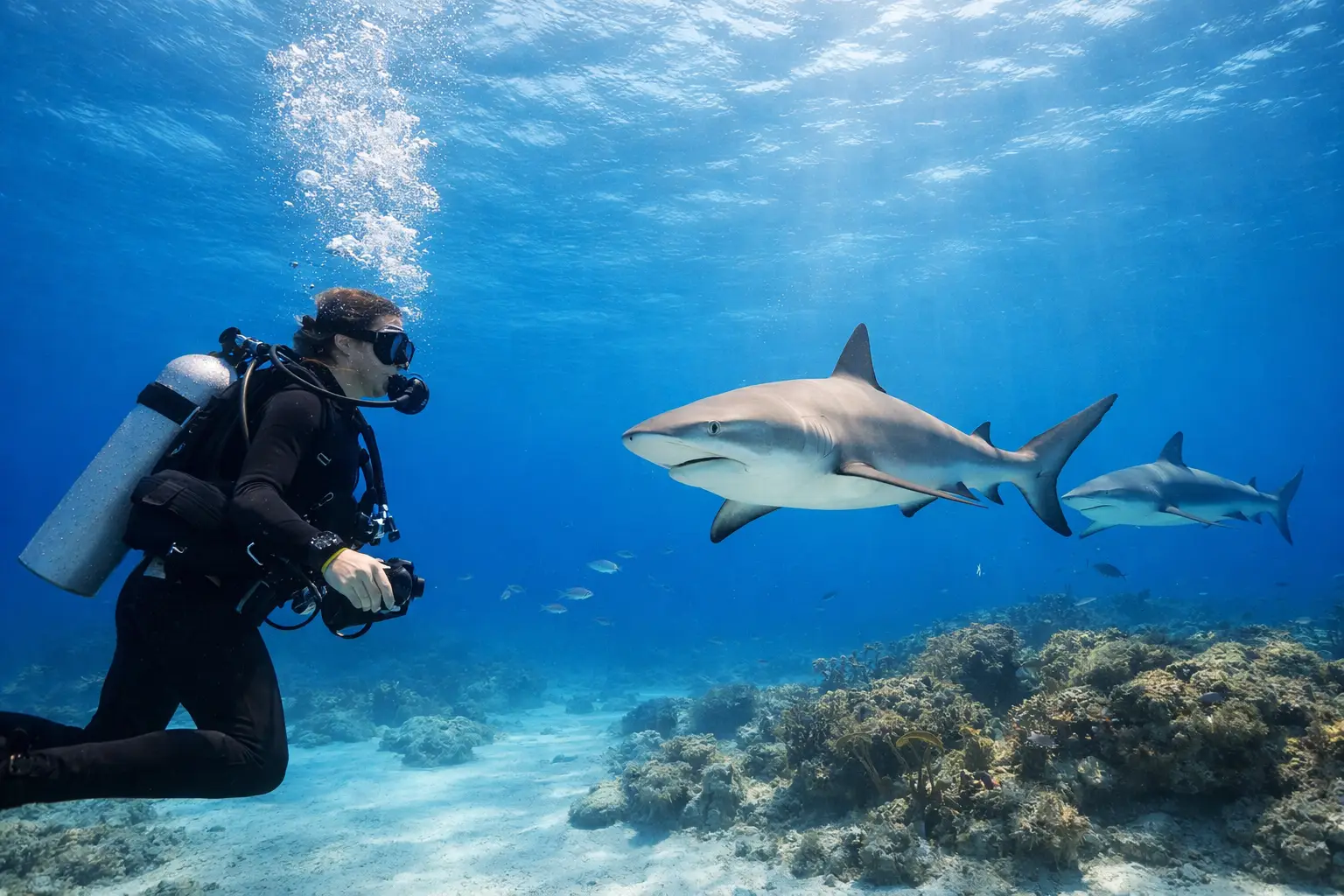
The first sight of a shark underwater is rarely what people expect. There is no movie soundtrack, no frantic rush. Usually, there is a calm silhouette moving through blue water with extraordinary purpose. If you are researching how to dive with sharks, the real secret is not bravery. It is preparation, awareness, and choosing a team that gives the encounter the patience it deserves.
In Punta Cana, shark diving can be one of the most memorable ways to experience the Caribbean Deep. It is also an activity that asks for respect. Sharks are wild animals, conditions change, and a responsible dive operator will never promise a performance. What they can provide is the right training, a well-planned site, reliable equipment, and a small group where you are seen, heard, and guided from the first briefing to the final ascent.
How to dive with sharks safely
Safety begins long before you enter the water. For a scuba dive with sharks, you should be medically fit to dive, comfortable with the basic skills of your certification level, and honest about your recent experience. A diver who has not been underwater for a year may benefit from a refresher before visiting a deeper site or one with current.
Your guide should explain the plan in clear language: the maximum depth, expected visibility, current, entry and exit method, bottom time, and the behavior expected around wildlife. Ask questions before boarding the boat, not while descending. A good briefing also covers what to do if you become separated from the group, need to end the dive early, or feel anxious.
The most reliable rule underwater is simple: stay close to your guide and your buddy. Do not race ahead to get closer to an animal, and do not drift away while focused on a camera. Sharks often appear when divers are relaxed, streamlined, and paying attention to the broader reef rather than scanning nervously in one direction.
Your body language matters
Sharks read the water through movement, vibration, and their senses. You do not need to freeze, but you should move with intention. Keep your hands close to your body, maintain neutral buoyancy, and use slow, controlled fin kicks. Avoid splashing at the surface or making sudden attempts to pursue a shark.
If a shark approaches, remain vertical or horizontal according to your guide’s instruction, keep it in view, and give it space to pass. Do not touch, feed, block, corner, or grab any marine animal. A calm encounter is safer for you and less stressful for the shark.
There is a practical reason to protect your buoyancy, too. On a reef or wall, uncontrolled fins can damage coral in seconds. The best shark divers are not the ones who get closest. They are the ones who remain quiet enough to observe the entire scene without leaving a trace.
Do you need certification to dive with sharks?
For most open-water shark dives in Punta Cana, certification is the sensible and expected path. The exact level depends on the site, depth, sea conditions, and local operating standards. Some locations are suitable for newer certified divers when the ocean is calm; others, including deeper walls or wrecks, are better for divers with more experience and an Advanced Open Water certification.
If you have never scuba dived, do not let the word “shark” push you into a dive beyond your comfort level. Start with a Discover Scuba Diving experience or begin a PADI course in calm, supervised conditions. Build the habits that make every future dive more enjoyable: equalizing early, breathing slowly, controlling your buoyancy, and communicating clearly with your instructor.
For certified divers, bring your certification card or digital proof, logbook if you have one, and an honest overview of your experience. A professional team will use that information to match you with an appropriate dive plan. This is not a limitation. It is how an exciting encounter stays genuinely enjoyable.
What a shark dive in Punta Cana can feel like
Caribbean shark encounters are often woven into a full reef dive, not staged as a separate spectacle. You may descend along a reef, pass schools of tropical fish over coral formations, and then notice a shark cruising at the edge of visibility. The moment can be brief or extended. Both are valuable.
At sites such as Shark Point, the experience depends on water conditions, season, visibility, and the animals’ natural behavior. Wildlife does not work on a timetable. The right expectation is not “I will get a perfect photo.” It is “I will enter a marine environment responsibly and be ready if a meaningful encounter unfolds.”
That mindset makes the day better even if sharks remain distant. Punta Cana’s underwater landscape offers more than one highlight: reefs alive with color, dramatic structure, rays, turtles, schooling fish, and the changing shades of Caribbean blue. A shark is never the only reason the ocean is worth your attention.
Cameras, GoPros, and the urge to get closer
Bring a camera if you are already comfortable managing it. If you are still working on buoyancy or breathing control, leave it on the boat for this dive. Trying to operate a camera can distract even experienced divers, especially when an animal appears unexpectedly.
If you do film, let the shark come into your frame. Use a wide view rather than reaching a camera forward. Never use flashes in a way that may disturb wildlife, and never separate from your buddy or guide for a better angle. The best images tend to come from patience, not pursuit.
Choosing the right operator for shark diving
The sea does not reward rushed logistics. Look for a PADI-certified instructor, properly maintained equipment, clear emergency procedures, and a realistic assessment of your skills. A quality operator will discuss weather and conditions openly, even when that means changing the original plan.
Group size changes the experience more than many travelers realize. In a large group, the guide’s attention is divided and the water can feel busier. With a maximum of four divers, there is more room for individual support, better communication, and a quieter approach to wildlife. This is especially valuable if it is your first shark-focused dive or if you are returning after time away from scuba.
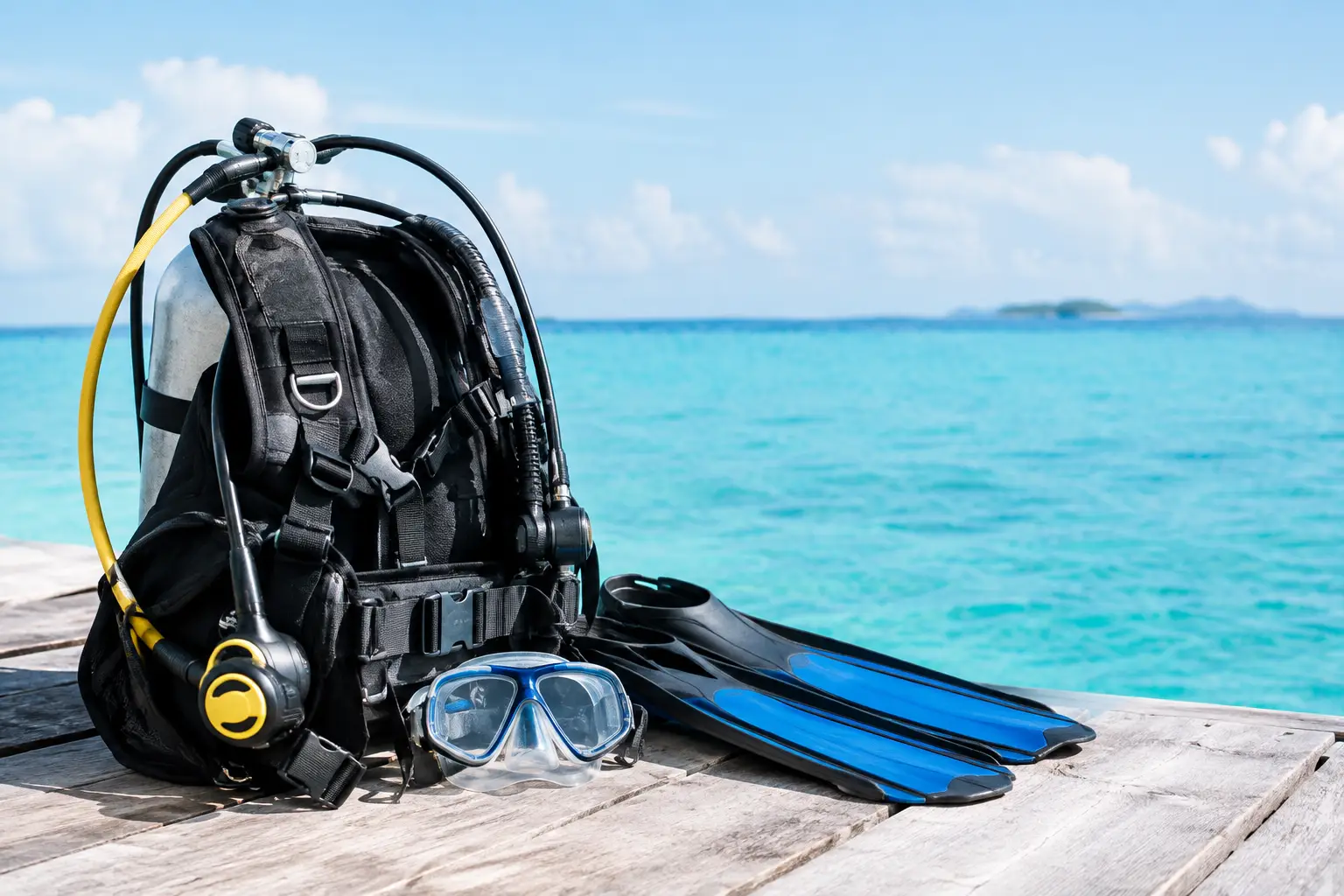
Comfort on land also supports safety underwater. Transfers from Bávaro, equipment included and fitted correctly, and time for an unrushed briefing remove avoidable stress from the day. At Scuba & Chill, that personal approach is part of the experience: fewer distractions, more attention to your comfort, and a guide who can adapt the plan to the group and conditions.
A few mistakes to avoid
Do not choose a shark dive solely because it promises the most dramatic encounter. Feeding, provoking, or crowding animals may create a photo opportunity, but it can also alter natural behavior and reduce the quality of the experience. Responsible wildlife diving puts the animal’s space first.
Avoid diving when you are dehydrated, hungover, overtired, or feeling unwell. Caribbean vacations can be full days, but scuba is a technical activity. Drink water, rest well, eat lightly before the boat, and follow your guide’s instructions about flying after diving.
Finally, do not judge your day by proximity. Seeing a shark from a respectful distance is a success. The encounter becomes more powerful when you recognize that the animal chose to pass through its own home while you were only visiting.
A shark dive is not about proving fearlessness. It is about learning to be calm in a place that is larger, wilder, and more beautiful than any resort shoreline. Bring curiosity, listen closely, and let the Caribbean set the pace.
Want to dive in the Dominican Republic?
Tell us your level, dates and what kind of experience you want. We will help you choose a dive, course or excursion.
Talk on WhatsApp