How to choose a PADI course for your next level
Learn how to choose a PADI course for your Punta Cana vacation: match your experience, time, and goals to a safe, personal Caribbean course choice for you.
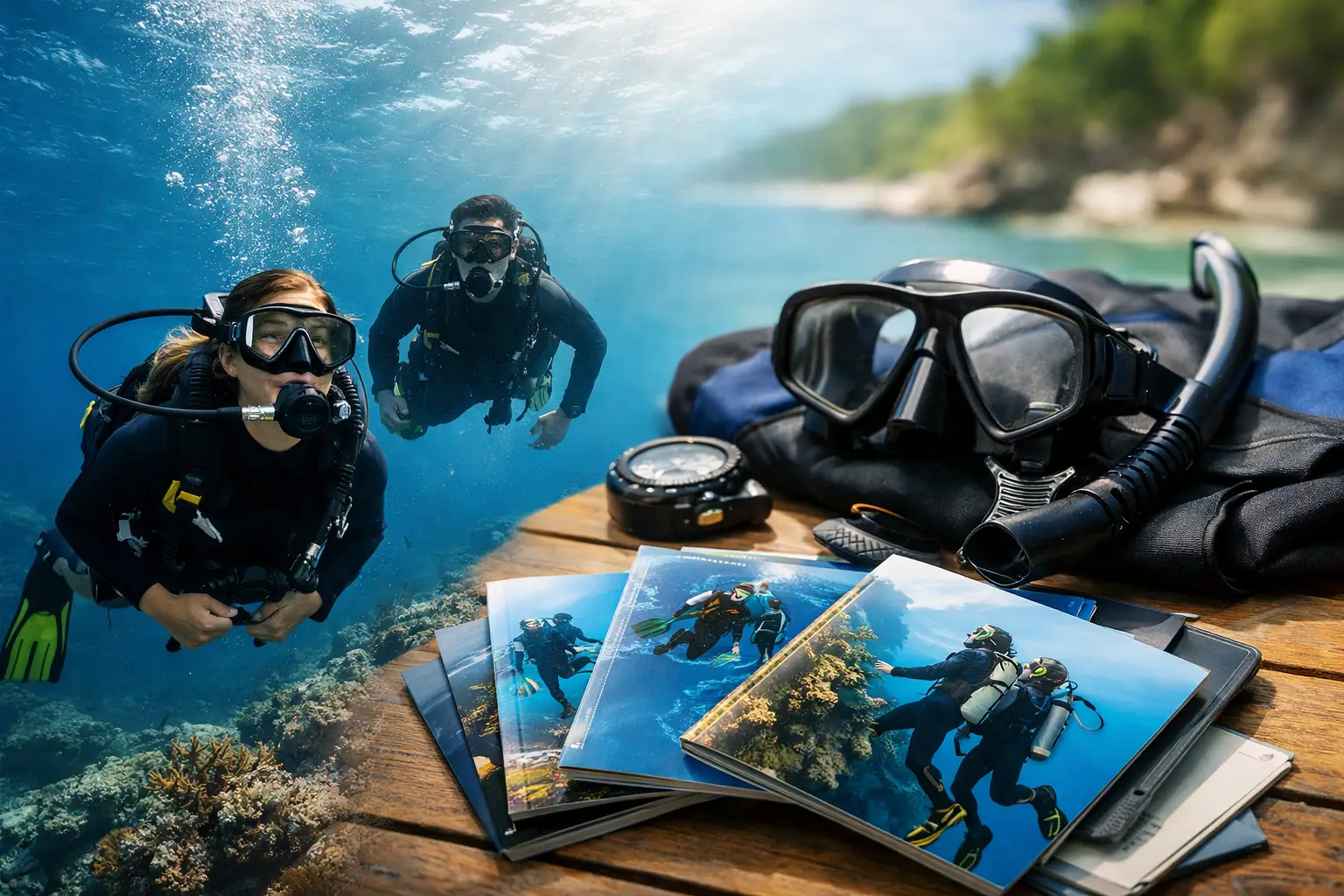
Your first breath underwater should feel like a revelation, not a rushed item on a vacation checklist. If you are searching how to choose a PADI course, start with one question: what do you want the ocean to become for you? A one-time discovery, a new skill you can use worldwide, or the beginning of a deeper relationship with the Caribbean?
The right PADI course is not always the highest level or the fastest option. It is the course that matches your current experience, comfort in the water, available vacation time, and the kind of adventure you hope to have once you are certified. In Punta Cana, that choice can lead from calm first skills to reefs, walls, wrecks, and the unforgettable blue of the Caribbean Deep.
How to choose a PADI course based on your starting point
The most useful place to begin is with honesty, not ambition. You do not need to be an elite swimmer or an experienced traveler to learn to dive. You do need to feel reasonably comfortable in the water, be ready to follow safety procedures, and choose a course pace that lets you learn without pressure.
If you have never worn a mask, breathed from a regulator, or descended below the surface, a Discover Scuba Diving experience is often the best first step. It is a supervised introduction, not a certification. You will learn essential concepts, practice a few skills in shallow water, and experience what it feels like to breathe underwater with a PADI professional beside you. For many visitors, this is the ideal way to decide whether a full course belongs in their vacation plans.
If you already know you want to dive on future trips - whether in the Dominican Republic, Mexico, Hawaii, or beyond - the PADI Open Water Diver course is the natural choice. It is the foundational certification that allows you to dive with a buddy within the limits of your training. It requires more commitment than an introductory experience because that commitment matters: you are learning skills designed to make you an independent, responsible diver.
For children, the decision should be even more personal. A Bubblemaker experience can introduce younger ocean explorers to scuba in a controlled, age-appropriate setting. It is about confidence and joy, not pushing a child toward a certification before they are ready.
Choose the course that fits your vacation calendar
Vacation time is valuable, and scuba training should not consume it in a way that leaves you exhausted or stressed. Before booking, ask how many days the course requires, which portions take place in the water, and whether you need to complete any digital learning in advance.
An Open Water course is a meaningful commitment. It includes knowledge development, confined-water skill practice, and open-water dives. Some travelers prefer to complete the academic portion before arriving in Punta Cana, leaving more of their Caribbean days available for practical training and actual diving. Others want the full learning experience on location. Either approach can work well if the schedule is clear from the beginning.
If your vacation is short, do not force a certification into too few days simply because it sounds convenient. A discovery experience may give you a better first memory than racing through skills. On the other hand, if diving is the centerpiece of your trip, reserving several days for Open Water training gives you time to absorb the lessons, rest between sessions, and enjoy the process.
Certified divers face a different calendar question. If you only have a day or two, an Advanced Open Water Diver course can be a practical way to add experience through adventure dives. It is particularly relevant if you want to explore deeper sites, develop navigation confidence, or refine buoyancy while seeing more of the underwater world. The course is not about collecting a card. It is about becoming more capable in conditions you are likely to encounter.
Let your dream dives guide your next certification
A course should take you closer to the diving you genuinely want to do. Think about the images that made you consider scuba in the first place. Was it a reef filled with tropical fish? A shipwreck emerging from the blue? A dramatic wall descending into deeper water? The answer helps determine whether you need an entry-level certification, more logged dives, or specific specialty training.
New divers often imagine advanced sites immediately, but the ocean rewards progression. A calm reef is not a lesser experience. It is where buoyancy becomes natural, air consumption improves, and your attention shifts from equipment to the living details around you: a shy trumpetfish, a sea fan moving with the current, a juvenile fish hiding in coral.
Once you are certified and comfortable, advanced training can open more possibilities. A deep adventure dive builds familiarity with planning and procedures at greater depths. Wreck-focused training can help you understand how to observe these structures respectfully and safely. Peak Performance Buoyancy is valuable for nearly every diver because better control means less effort, more time to look around, and less chance of accidentally touching fragile reef life.
For divers drawn to more demanding environments, Rescue Diver training marks an important shift. The focus moves beyond your own diving to prevention, awareness, and helping others. It is challenging, highly rewarding, and best suited to someone who has built enough comfort underwater to concentrate on the bigger picture.
Professional-level training, such as Divemaster, is a different kind of decision. It is not simply the next recreational course. It asks whether you want to take responsibility, lead with judgment, and spend serious time developing your dive knowledge and practical skills. It can be an extraordinary path for committed divers, but it deserves time and intention.
The instructor and group size matter as much as the course
PADI standards create a reliable framework, but the way a course feels depends greatly on the people delivering it. The best training environment balances calm encouragement with clear expectations. You should feel comfortable asking a question twice, taking a moment to repeat a skill, or saying that you need more time.
Ask who will teach you, how many students will be in your group, and whether the instructor will remain directly involved throughout the course. In large groups, it can be harder to receive individual feedback, especially during early skills such as mask clearing, regulator recovery, and buoyancy control. Small groups give an instructor more opportunity to notice what you are doing well and where you need support.
This is especially valuable for first-time divers. A little extra attention can turn initial nerves into genuine confidence. It also benefits experienced divers taking advanced training, because feedback on trim, fin technique, planning, and awareness is far more useful when it is specific.
At Scuba & Chill, training is designed around small groups of up to four divers, with certified PADI instructors, complete equipment, and transportation from Bávaro included. That structure is not about making diving feel exclusive for its own sake. It creates room for a more personal, safer learning experience in which you are not just trying to keep up with a crowd.
Check what is included before you commit
The price of a PADI course should be easy to understand. Before reserving, confirm whether the quote includes equipment, learning materials, certification fees, boat trips, transportation, and any required medical paperwork. A low starting price can look attractive until essential costs appear later.
Equipment quality also deserves attention. Your first experience with a regulator, BCD, and wetsuit shapes how relaxed you feel underwater. Equipment should be properly maintained, sized for you, and explained before entering the water. You do not need to know every technical detail, but you should understand how your gear works and what to do if something feels uncomfortable.
Medical readiness is equally important. Scuba is accessible to many people, but some health conditions or medications may require a physician's approval before participation. Be straightforward when completing the medical questionnaire. A responsible dive center will treat this as a safety conversation, not an obstacle to a sale.
Finally, consider the logistics of your Punta Cana stay. A center that coordinates pickup, provides the necessary gear, and communicates quickly can remove the small stresses that take energy away from your vacation. More importantly, clear communication before the course is usually a good sign of the care you can expect in the water.
Do not choose based on depth alone
Depth has a certain allure. It suggests mystery, challenge, and access to a world few people see. But a deeper certification is not automatically the best next move. Your comfort, buoyancy, situational awareness, and desire to keep learning matter more than the number on a depth gauge.
A diver with excellent control on a vibrant reef often has a richer experience than someone who descends deeper while feeling hurried or overtasked. Build your skills in the right order, and the walls, wrecks, and more ambitious Caribbean sites will feel more rewarding when you are ready for them.
Choose a course that leaves you excited to return to the water the next day. The best training does more than qualify you for a new depth or destination - it gives you the calm confidence to look out across the blue, take that next breath, and feel that the Caribbean has become a little more yours.
Want to dive in the Dominican Republic?
Tell us your level, dates and what kind of experience you want. We will help you choose a dive, course or excursion.
Talk on WhatsApp