Coral Reef Restoration Diving in Punta Cana
Coral reef restoration diving in Punta Cana blends meaningful action with Caribbean adventure. Learn what to expect, who can join, and how to help today.
A healthy Caribbean reef is not just a beautiful backdrop for a vacation photo. It is a living neighborhood where juvenile fish find shelter, sea fans filter the current, and corals build the structure that protects coastlines. Coral reef restoration diving gives travelers a closer relationship with that world: not simply observing it, but learning how careful, science-led action can support its recovery.
For visitors to Punta Cana and Bávaro, this can be one of the most memorable ways to spend time underwater. It pairs the calm focus of a guided dive with a bigger purpose - and it makes the reef’s condition visible in a way no beach walk can.
What Coral Reef Restoration Diving Really Means
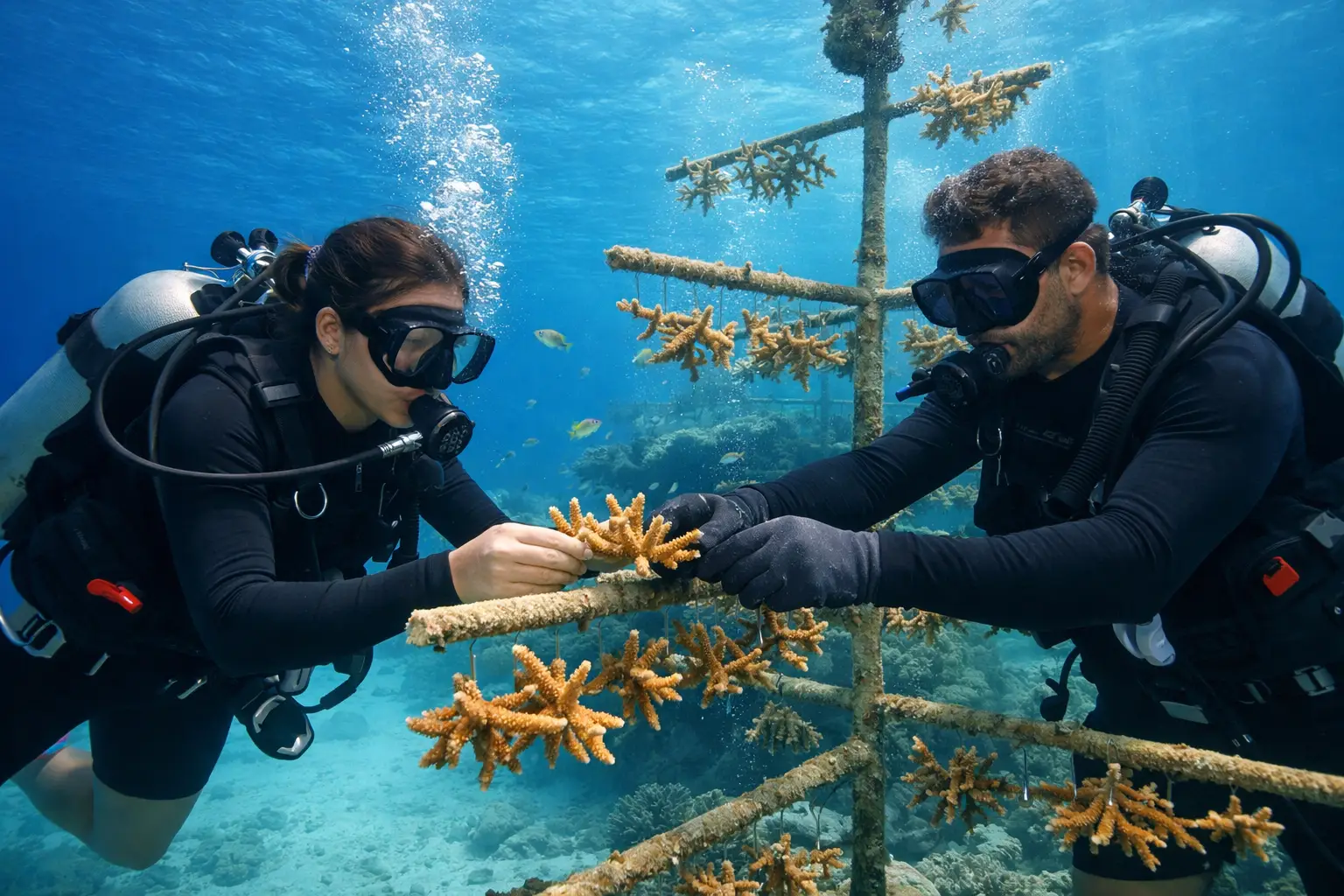
Restoration diving can include several different activities, depending on the site, the season, local permits, and the marine organization managing the project. On some programs, divers help maintain underwater coral nurseries, where young coral fragments grow on trees, frames, or ropes before being transplanted to a reef. On others, the work focuses on cleaning structures, documenting coral health, removing harmful debris, or collecting observations that help researchers monitor change.
The key word is support. Reef restoration is not a quick fix, and a single dive does not restore an ecosystem. Corals grow slowly, storms can damage new outplants, and warming water remains a serious threat. Yet well-managed restoration gives damaged reefs a better chance to recover, especially when it is paired with protection, responsible tourism, and local stewardship.
That is why a credible experience should never feel like a rushed “plant a coral, save the ocean” attraction. The best programs explain the science, follow local rules, limit contact with the reef, and match each participant’s role to their training and conditions.
Why the Caribbean Needs Restoration Work
Caribbean reefs face pressure from rising ocean temperatures, disease, sediment, coastal development, anchors, pollution, and physical damage from careless contact. When corals are stressed, they can bleach, lose tissue, or become more vulnerable to illness. The loss goes beyond color underwater. Fewer healthy corals can mean less habitat for fish, lower biodiversity, and weaker natural coastal protection.
Restoration projects often prioritize coral species that are ecologically valuable, threatened, or capable of helping rebuild reef structure. Staghorn and elkhorn corals, for example, create branching habitat that shelters many small fish. Other species add different shapes and strengths to a restored reef.
Still, restoration is only one piece of the picture. A nursery full of healthy fragments cannot succeed if the receiving reef continues to be damaged. That is why the most meaningful conservation experiences also teach good buoyancy, reef-safe behavior, and respect for the limits of the ocean.
What You Can Expect Underwater
A coral restoration outing usually begins on land or aboard the boat with a briefing. Your guide may explain the coral life cycle, the purpose of a nursery, how fragments are attached, and the exact behavior expected around living structures. This is not the moment for improvisation. A fin kick in the wrong place or a hand on a coral frame can undo careful work.
Underwater, the pace is deliberate. You may spend time observing nursery trees swaying in the current, checking for algae or loose attachments, or watching trained team members prepare fragments for transplantation. Depending on your certification, the project’s policies, and the day’s conditions, you may be able to assist with supervised tasks.
Expect a different kind of excitement than a deep wall or wreck dive. The reward is in the details: a tiny damselfish claiming a coral branch, new growth at the edge of a fragment, or a once-bare area beginning to hold life again. For many divers, that attention changes how they see every reef afterward.
Can Beginners Take Part?
It depends on the program. Some conservation experiences are available to first-time divers through a Discover Scuba Diving-style introduction, while others require an Open Water certification or more advanced buoyancy skills. Activities involving close work around nurseries and reef outplants often have stricter requirements because control in the water matters.
If you are new to diving, do not assume that means you cannot participate. You can begin with a guided introduction, practice the fundamentals in calm water, and learn reef etiquette from the start. A PADI course can also be a strong route for travelers who want to become certified before joining future conservation dives.
Certified divers should be honest about their comfort level. A diver with fewer logged dives but excellent buoyancy may be a better fit than someone with more experience who has not been in the water recently. Currents, visibility, depth, and the project’s daily needs all affect the decision.
The Skills That Protect a Reef
The most valuable conservation skill is not coral handling. It is buoyancy control. A diver who can hover calmly without touching the bottom, stirring sediment, or grabbing onto reef structure makes every dive safer for marine life.
Before joining a restoration activity, practice a slow, streamlined approach. Keep your gauges, alternate air source, and camera secure. Maintain awareness of your fins, particularly when turning near coral. Use a gentle frog kick where appropriate, and never rest on the reef, even if it appears rocky or lifeless. What looks like an ordinary surface may be a young coral colony, sponge, or fragile organism.
Good guides will reinforce these habits without making the day feel intimidating. At Scuba & Chill, small groups of up to four divers create the space for individual guidance, which is especially valuable when guests are building confidence around sensitive reef environments.
How to Choose a Responsible Experience
Not every activity marketed as conservation delivers real conservation value. Ask clear questions before you book. Who manages the project? Is there a local permit or partnership behind the work? What training do participants receive? Are guests allowed to touch corals, and if so, under what direct supervision?
Look for a team that talks about the reef as a living ecosystem rather than a prop. They should be willing to explain what restoration can achieve and what it cannot. Be cautious of exaggerated promises, crowded groups, or operators that encourage touching wildlife for a photo.
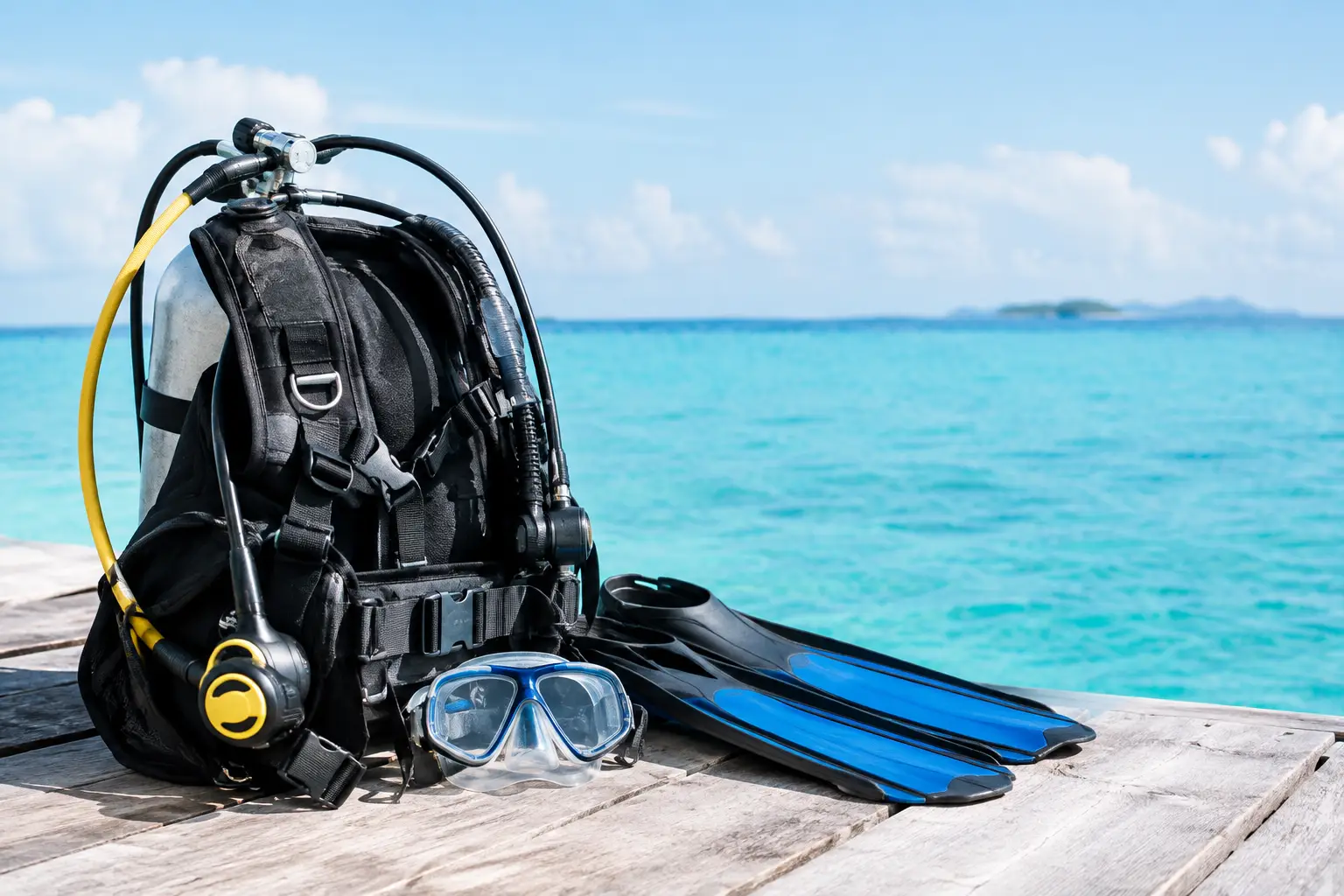
Practical details matter as well. A properly fitted mask, fins, and buoyancy device help prevent accidental contact. A careful pre-dive briefing, a certified guide, and a manageable group size are not luxuries when the goal is to work around fragile marine life. They are part of responsible diving.
Make Your Vacation Diving Part of the Solution
You do not need to be actively transplanting coral on every dive to have a positive impact. Your choices before, during, and after the trip matter. Choose operators that use moorings instead of anchoring on reefs. Avoid feeding fish or collecting shells and coral. Wear sun protection that is less likely to wash harmful chemicals into the water, and avoid leaving trash behind on the beach or boat.
Underwater, let marine life set the distance. Turtles, rays, nurse sharks, and reef fish are more likely to behave naturally when divers remain calm and respectful. The most powerful images are often the ones captured without chasing, crowding, or touching an animal.
There is also value in asking questions. Learn the names of the corals you see. Ask whether a site has experienced bleaching or storm damage. Notice the difference between a coral-covered reef, a sandy patch, and a nursery. Curiosity makes conservation personal, and personal connection is what travelers carry home.
A More Meaningful Way to See Punta Cana
Punta Cana is known for clear water, warm temperatures, and easy access to Caribbean adventure. Adding a restoration-focused perspective gives those conditions more depth. A reef dive becomes more than a checklist of colorful fish or a break from the resort. It becomes a chance to understand what keeps this underwater landscape alive and what it needs from us.
Whether you are taking your first breaths below the surface or arriving with dozens of logged dives, start with respect for the reef and a willingness to learn. The coral may not change overnight, but every careful diver helps create the quieter, safer conditions in which recovery has a chance to grow.
Want to dive in the Dominican Republic?
Tell us your level, dates and what kind of experience you want. We will help you choose a dive, course or excursion.
Talk on WhatsApp