How long does an Open Water course take in Punta Cana?
Wondering how long an Open Water course takes? See the typical 3-4 day schedule, required ocean dives, and planning tips for a relaxed Punta Cana certification.
Your first breath underwater changes the rhythm of a vacation. One minute you are on the beach in Punta Cana; the next, you are weightless over coral, watching tropical fish move through clear Caribbean water. But before booking, most travelers ask the practical question: how long does an Open Water course take? For most beginners, the answer is three to four days, plus a short amount of study time before or during the trip.
That timeline is enough to learn the essential skills, practice them calmly, and complete the required ocean dives without turning your vacation into a rushed checklist. The exact schedule can vary with your comfort in the water, weather conditions, and whether you complete the theory before arriving in the Dominican Republic.
How long does the Open Water course take?
A PADI Open Water Diver course usually takes three to four days when completed in one destination. It has three parts: knowledge development, confined-water training, and four open-water dives. Each part matters. The goal is not simply to earn a card, but to leave with the judgment and habits to enjoy future dives safely.
Some travelers can finish in two intensive days if they complete their digital learning in advance and are very comfortable in the water. That option is possible in the right circumstances, but it is not always the best choice for a first certification. A more relaxed three- or four-day plan gives you time to absorb the skills, rest between sessions, and enjoy the experience rather than race through it.
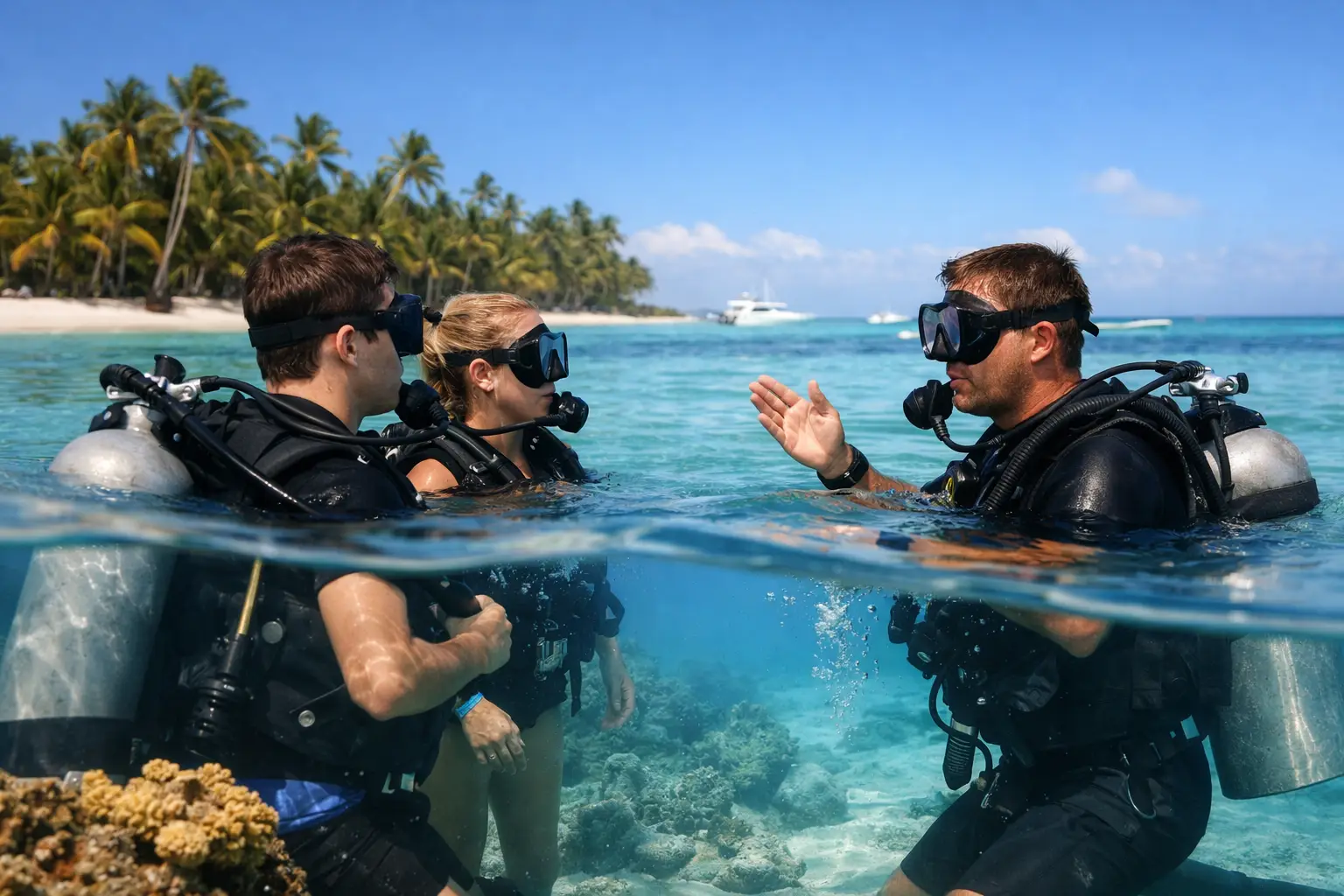
At Scuba & Chill, small groups of no more than four divers allow the instructor to adapt the pace to the people in the water. That personal attention is especially valuable when you are learning buoyancy, clearing a mask, or taking your first controlled ascent in the Caribbean.
What happens each day?
Every course schedule is organized a little differently, but the progression is consistent. You begin with the concepts, build confidence in controlled water, then apply those skills in the ocean.
Before arrival or on day one: theory and preparation
The academic portion explains how pressure affects the body, how to use dive equipment, how to plan a dive with a buddy, and what to do if a small issue arises underwater. PADI eLearning is often the easiest way to handle this section because you can complete much of it from home, on the flight, or between beach plans.
Expect roughly five to 10 hours for the theory, depending on how quickly you read and review. It does not need to happen all at once. Completing it before your Punta Cana trip can free more time for the ocean, but beginning the course on site can also work if your schedule allows enough days.
Day one also includes paperwork, a review of your health history, equipment fitting, and a conversation with your instructor. This is the right time to say if you feel nervous, have not swum recently, wear contact lenses, or have a particular concern. Good instructors want to know, because a tailored explanation on land can make the water feel far more natural.
Day one or two: confined-water skills
Before the open ocean, you practice in shallow, calm water or a pool-like setting. This is where you become familiar with breathing from a regulator, clearing water from your mask, recovering a regulator, managing buoyancy, and sharing air in a controlled exercise.
These skills can sound technical when described on paper. In practice, they are introduced step by step. You demonstrate one skill at a time, repeat it until it feels comfortable, and always have an instructor close by. No one benefits from pretending to be ready. A course should move forward when you can perform the skills safely, not because the clock says it is time.
For many new divers, this is the most rewarding part of the course. The initial surprise of breathing underwater fades, and a new sense of calm takes its place. By the end of confined-water training, you should be able to focus less on the equipment and more on your surroundings.
Days two through four: four open-water dives
To earn the certification, you complete four qualifying dives in open water. These are usually spread across two days, with two dives per day. You will repeat key safety skills, practice buoyancy, and gradually apply what you learned in conditions that feel like real recreational diving.
Punta Cana’s warm water can make this stage especially inviting for beginners. Comfortable temperatures reduce one common distraction, while clear Caribbean conditions often make it easier to orient yourself and enjoy the reef. You may see schools of colorful fish, rays, coral formations, and the quiet blue space that makes diving unlike any activity above the surface.
The ocean is still the ocean, though. Current, surface conditions, and visibility can change. A professional center will adjust the site or schedule when needed rather than force a dive just to keep a timetable. That flexibility is one reason it is smart to avoid booking your course on the final two days of your vacation.
Can you finish an Open Water course in two days?
Sometimes, yes. But ask a better question than whether it is possible: will it give you enough time to feel ready?
A two-day course generally requires completed eLearning before arrival, efficient scheduling, favorable conditions, and a student who is comfortable in the water. It can suit an experienced snorkeler, a confident swimmer, or someone who has already started the course at home. It is less ideal for travelers who feel anxious in deep water, need extra practice with mask skills, or want to keep plenty of room for relaxation.
Three or four days is the better fit for most first-time divers. You will have time to ask questions, revisit a skill without pressure, and finish each day with enough energy to enjoy dinner, the beach, or a quiet evening at your hotel.
A referral course can save vacation time
If your vacation is short, a referral may be the practical answer. You complete the theory and confined-water sessions with a PADI instructor near home, then finish the four open-water dives in Punta Cana. This lets you reserve the warm Caribbean portion of your certification for your trip.
The referral option is useful, but it requires planning. Your home instructor must provide the correct documentation, and you should confirm that your skills are current before traveling. It also helps to leave a little flexibility in your itinerary. Even when only the ocean dives remain, weather and personal comfort still determine the best schedule.
Plan around flying and your first days in Punta Cana
Do not plan to fly immediately after your final dive. As a general conservative guideline, divers should allow at least 18 hours after multiple dives or multiple days of diving before flying. Your instructor will give you the appropriate recommendation based on your actual dive profile, and that guidance should take priority.
A simple itinerary works best: arrive, settle in, complete the course over the next three or four days, then enjoy land-based activities before your flight home. This removes pressure from the training days and creates room for any weather adjustment.
You should also be honest on the medical questionnaire. Certain heart, lung, ear, or sinus conditions, as well as some medications, may require physician approval before diving. This is not bureaucracy for its own sake. Safe diving begins with a clear understanding of your health and limits.
What to bring and what is usually provided
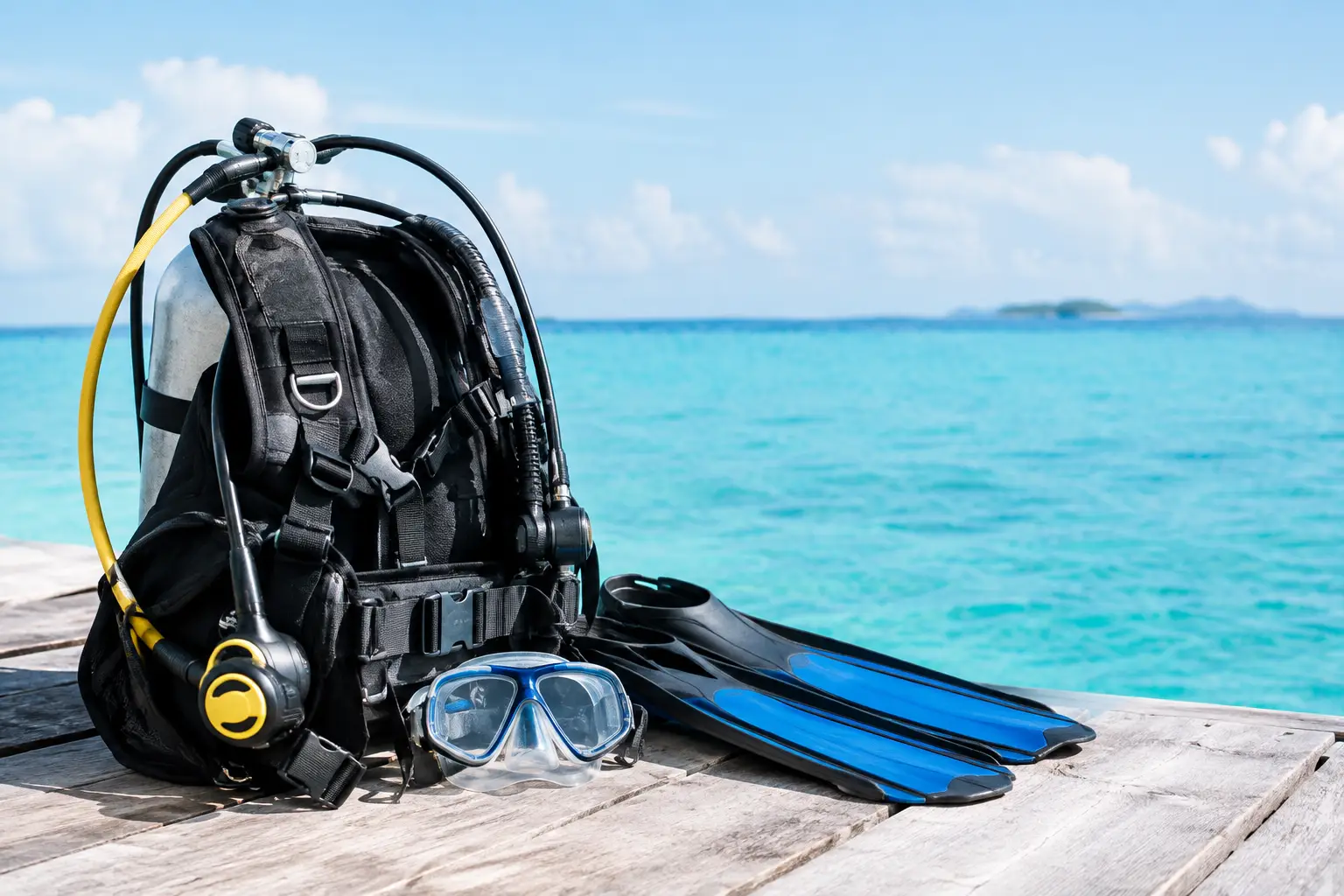
A quality Open Water course should include the essential scuba equipment: mask, fins, regulator, buoyancy control device, tank, weights, and exposure protection appropriate for the conditions. You will usually only need swimwear, a towel, reef-safe sun protection for time above water, and a willingness to learn.
If you already own a mask that fits you perfectly, bring it. A well-fitting mask can make a meaningful difference in comfort. Otherwise, properly maintained rental gear is a sensible choice for a first course, especially when traveling. You do not need to buy a full setup before you know what kind of diving you will enjoy most.
Give your first certification the time it deserves
The best answer to how long an Open Water course takes is not just three or four days. It is three or four days that open the door to a much larger underwater world. Leave space in your Punta Cana itinerary, learn at a pace that feels calm, and let your first descent into the Caribbean be the beginning of many more.
Want to dive in the Dominican Republic?
Tell us your level, dates and what kind of experience you want. We will help you choose a dive, course or excursion.
Talk on WhatsApp