Open Water versus Advanced Open Water: Which First?
Comparing Open Water versus Advanced Open Water? See which PADI certification fits your Punta Cana trip, goals, comfort level, and next Caribbean dive plans.
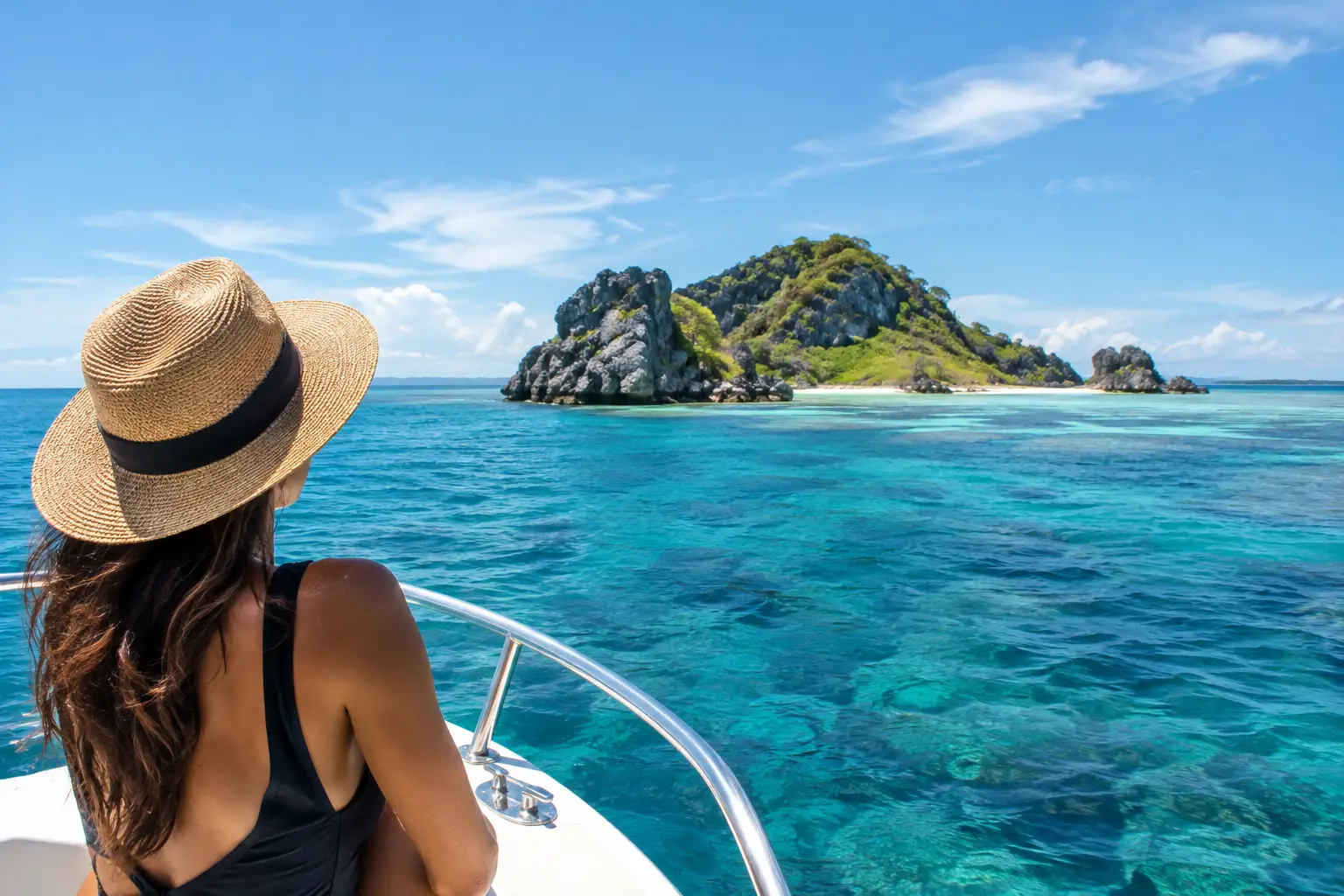
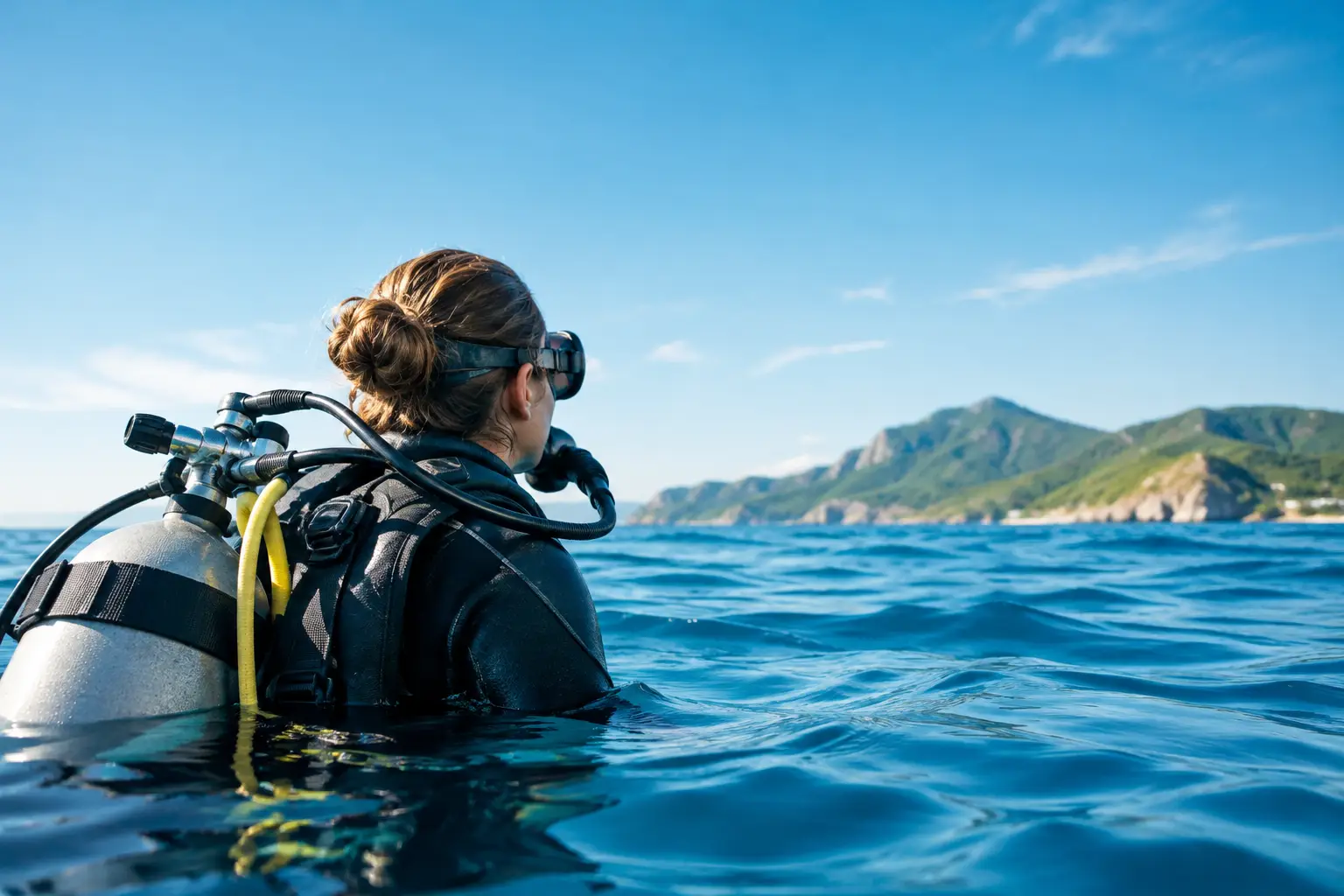
You are standing on a boat off the Punta Cana coast, mask in hand, watching the Caribbean turn from turquoise to deep blue. The question is not whether you want to see what lies below. It is whether a Open Water versus Advanced Open Water is the right next step for your trip.
They are not two versions of the same course. Open Water is where you learn to become a certified diver from the ground up. Advanced Open Water is where a certified diver gains range, confidence, and practical experience in new conditions. Choosing well means matching the course to your starting point, the time you have in the Dominican Republic, and the kind of underwater adventure you hope to remember.
Open Water versus Advanced Open Water: the core difference
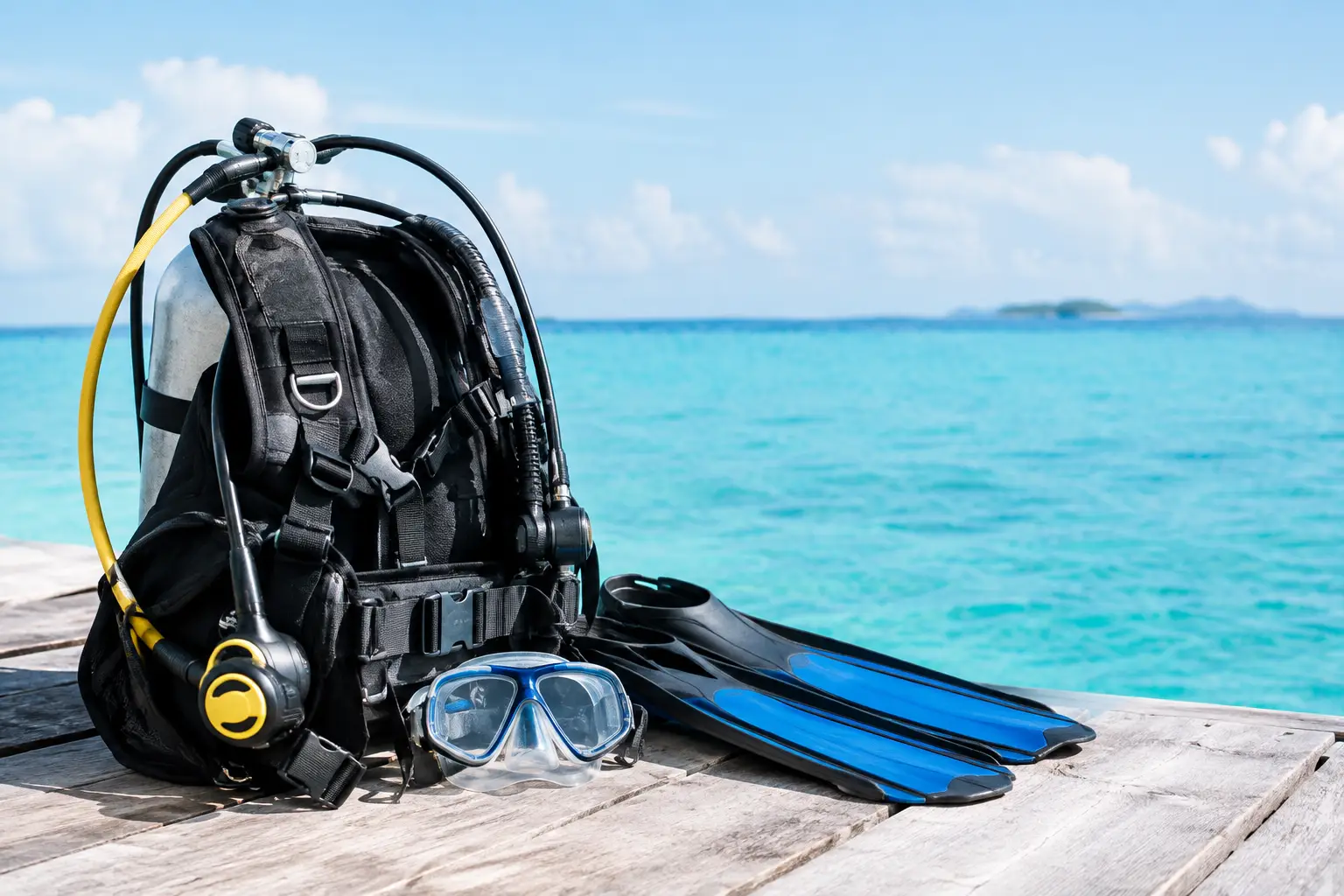
The PADI Open Water Diver course is your entry into independent recreational diving. It is designed for people with little or no previous experience. You begin with the fundamentals: how pressure affects your body, how to use your equipment, how to communicate underwater, how to manage buoyancy, and what to do if something does not go exactly as planned.
After the knowledge development and confined-water practice, you complete four open-water training dives with an instructor. When you earn the certification, you can dive with a buddy within the limits of your training, generally to a maximum depth of 60 feet.
PADI Advanced Open Water Diver is different. It is not a lecture-heavy “next level” that repeats the basics. It is a course built around five adventure dives. Deep diving and underwater navigation are required, while the other dives can be selected around your interests and local conditions. Options may include wreck diving, peak performance buoyancy, fish identification, night diving, or boat diving.
The result is a diver qualified to plan dives to 100 feet, with more experience in the skills that make those dives enjoyable and controlled. Advanced is ideal for someone who already has an Open Water certification but wants access to more of the Caribbean’s character: deeper reefs, historic wrecks, and changing underwater landscapes.
Choose Open Water if you are starting from zero
Open Water is the right choice if you have never been certified, even if you have tried a resort dive or gone snorkeling many times. A Discover Scuba experience can show you the feeling of breathing underwater, but it is not the same as learning the habits and judgment needed for certification.
This course also fits travelers who want more than a quick vacation activity. You learn at a pace that allows skills to become familiar: clearing a mask, recovering a regulator, controlling your position in the water, and responding calmly with your dive buddy. These details are what turn the first glimpse of a reef into a relaxed experience rather than a task you are trying to keep up with.
For couples or friends with mixed comfort levels, Open Water can be especially valuable. One person may be excited immediately while another needs more time in the water. Small groups make room for questions and repetition without making anyone feel rushed. At Scuba & Chill, training groups are kept to a maximum of four divers, so your instructor can observe how you are actually doing, not simply move the group through a schedule.
Open Water requires a real commitment of time. If your vacation itinerary is packed with beach clubs, excursions, and long transfers, give the course enough space. Learning to dive should feel like a highlight of your stay, not another appointment squeezed between plans.
Choose Advanced if you are already certified
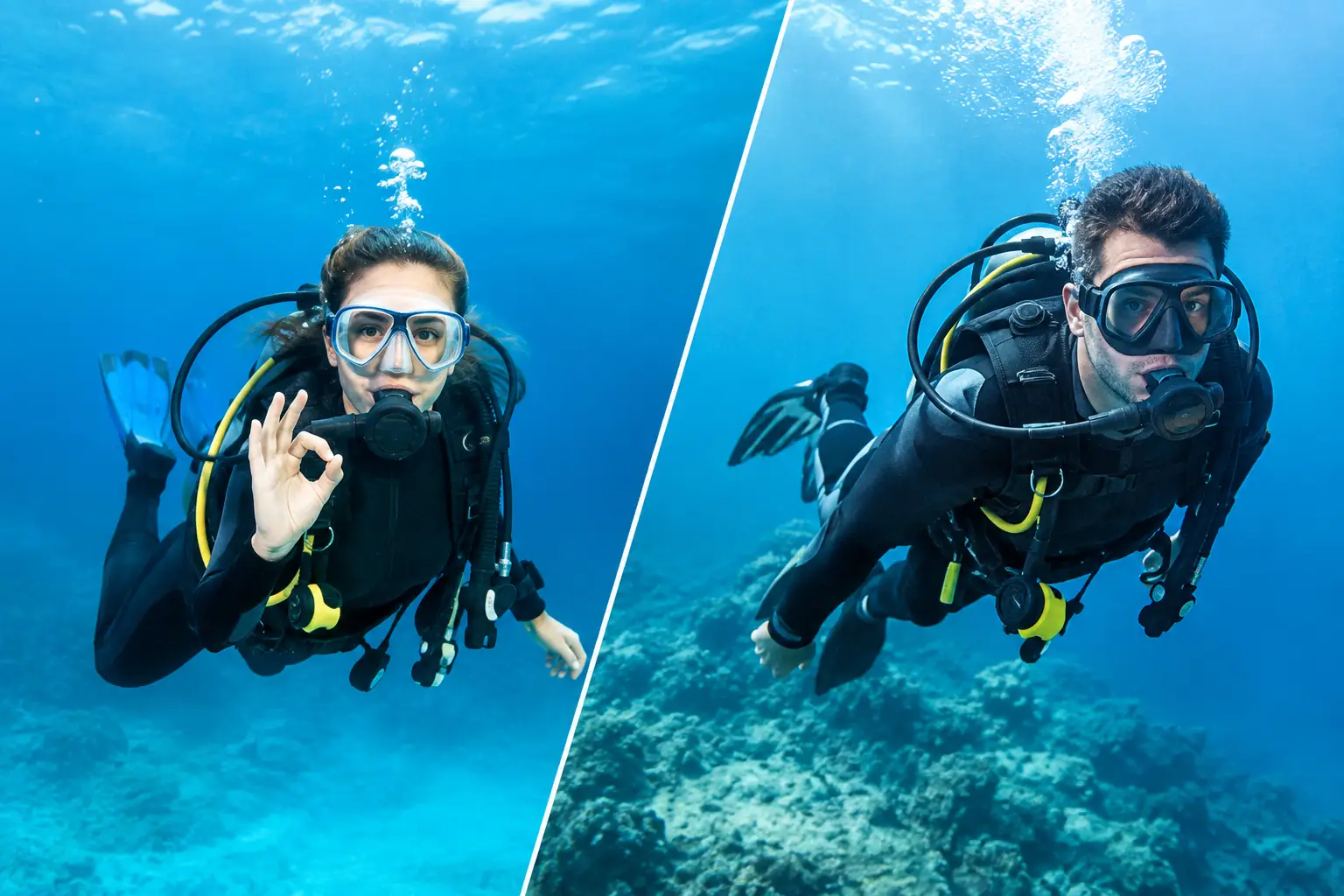
If you hold an Open Water Diver certification, Advanced Open Water can be one of the most rewarding ways to spend several days in Punta Cana. You already know the core skills. Now you can apply them in environments that ask for a little more awareness.
A deep dive teaches you how to plan for depth, monitor air consumption, recognize the effect of pressure, and stay within safe limits. Underwater navigation improves your ability to orient yourself using a compass, natural references, and distance estimates. Those are useful skills whether you are exploring a reef close to shore or returning to an anchor line after drifting along a wall.
The elective dives are where the course becomes personal. A diver fascinated by marine life may choose fish identification. Someone dreaming of the Atlantic Princess or St. George wreck can focus on buoyancy and wreck-related experience. If you are drawn to the quiet blue beyond the reef, a deep adventure dive can build confidence before you book more demanding sites.
Advanced does not mean you need to be fearless, ultra-fit, or already highly experienced. It means you have the Open Water foundation and are ready to learn under closer-to-real dive conditions. Still, it is not the best choice if you have not dived in years and feel uncertain about basic skills. In that case, a refresher before or alongside your training may be the smarter call. Confidence is not about pretending to be comfortable. It comes from practicing until the right response feels natural.
What changes on your Punta Cana dive menu?
Your certification affects which experiences are appropriate, but it does not decide the quality of your vacation. New divers can have spectacular encounters on shallow reefs, where sunlight brings out coral color and schools of tropical fish move close to the bottom. Shallow water also gives you more time to notice the small things: a curious trumpetfish, a camouflaged crab, or the texture of a coral garden.
Advanced certification expands your options. Deeper walls, wreck profiles, and certain shark-focused or specialty sites may call for greater depth qualifications, strong buoyancy, and recent experience. The appeal is not simply reaching a bigger number on a depth gauge. At depth, planning becomes more deliberate, colors change, bottom time is managed differently, and good control matters more.
That is why the best course is not always the one that sounds more ambitious. If this is your first experience with scuba, Open Water gives you the key to a lifetime of diving. If you are already certified and want the Caribbean to feel larger than the usual shallow reef tour, Advanced opens meaningful new doors.
Consider your schedule, comfort, and travel goals
Before you choose, ask three honest questions. First, are you certified already? If not, the answer is straightforward: begin with Open Water. Advanced requires proof of prior Open Water-level training.
Second, how much time do you have? Certification courses are active days, not passive excursions. You will be learning, reviewing, preparing equipment, and completing dives. Build in time to rest, hydrate, and enjoy your vacation without racing from one activity to another. Flying after diving also requires proper surface intervals, so do not schedule your course at the very end of your trip without considering your departure flight.
Third, what kind of diver do you want to become? Some travelers want to return home with a certification that lets them join reef dives almost anywhere in the world. Others already have that credential and want to feel more capable around wrecks, deeper reefs, and navigation challenges. Both goals are excellent. The wrong choice is only the one made because a course title sounds more impressive than your current experience supports.
A personalized path beats a rushed upgrade
PADI training is structured for a reason: safe progression gives you freedom later. A quality instructor will not treat every student the same. They will adjust explanations, help you refine a skill that needs another attempt, and choose conditions that support learning rather than overwhelm you.
That personal attention matters in the Caribbean, where a gentle reef can be the perfect classroom one day and currents or sea conditions may call for a different plan the next. Good training is not about forcing the original itinerary. It is about making sound decisions while keeping the adventure alive.
If you are unsure, choose the course that leaves you excited to make your next dive, not relieved that it is over. The Caribbean will still be there - blue, warm, and full of reasons to come back with a little more confidence each time.
Want to dive in the Dominican Republic?
Tell us your level, dates and what kind of experience you want. We will help you choose a dive, course or excursion.
Talk on WhatsApp