Divemaster Certification Guide for Future Pros
This Divemaster certification guide explains prerequisites, skills, time, costs, and why Punta Cana is a smart place to train as a PADI professional today.
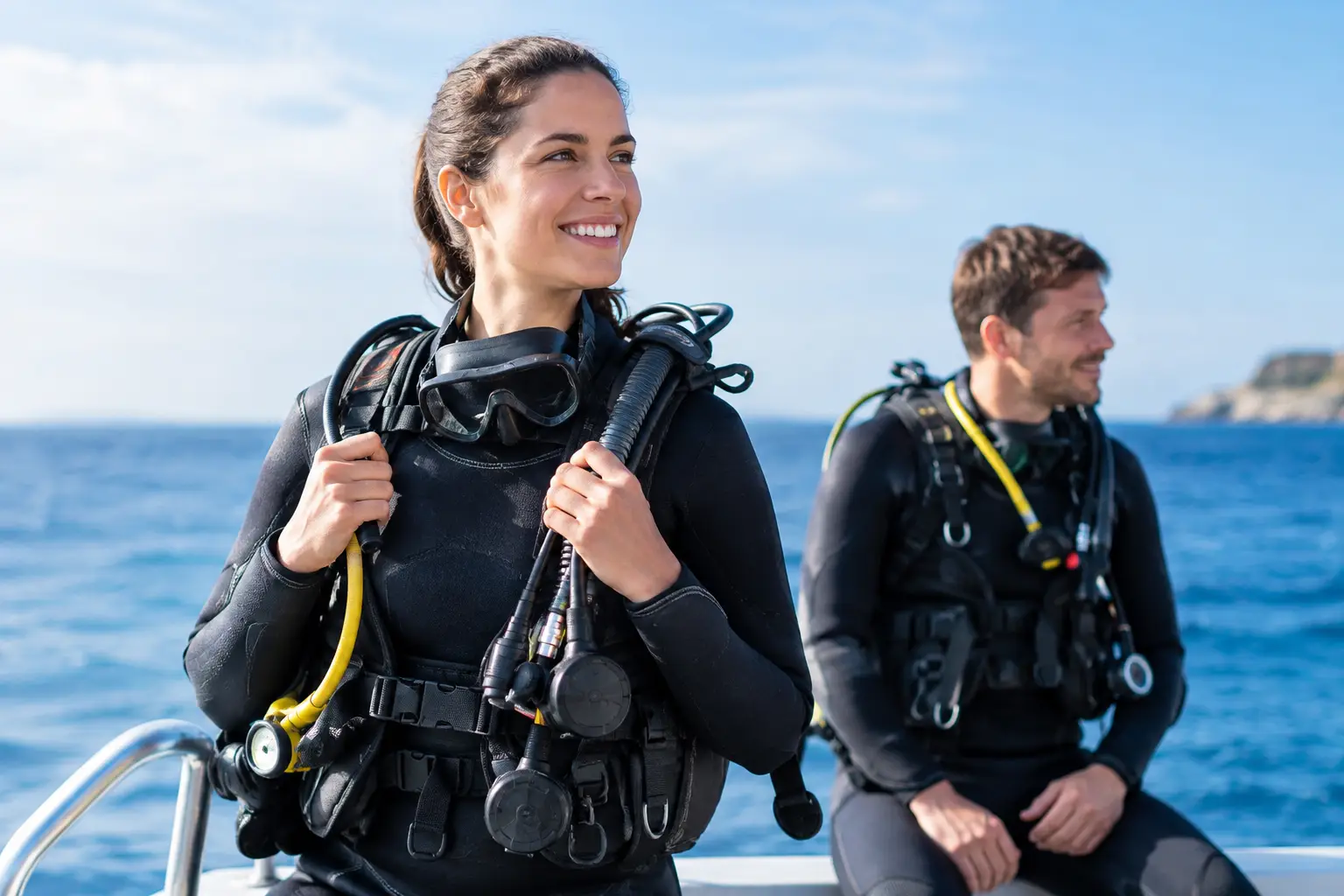
The first time you lead a dive briefing, there is nowhere to hide behind your buddy or follow a guide’s fins. You are the person guests look to for the plan, the conditions, and the calm decision when the current changes. A Divemaster certification guide should start there: not with a badge, but with the responsibility and confidence that make a capable dive professional.
For experienced recreational divers, the PADI Divemaster course is the step that turns a passion for the underwater world into professional-level training. It is demanding in the best way. You refine your own diving, learn to support instructors, guide certified divers, and understand how to run the details that make an adventure underwater feel safe, relaxed, and memorable.
What a Divemaster certification really means
A Divemaster is the first professional level in the PADI system. You are not yet an instructor, but you are trained to supervise certain diving activities, lead certified divers, assist with courses, and support the daily operation of a dive center.
That distinction matters. The course is not simply about logging more dives or reaching greater depths. It develops judgment. You learn to assess conditions, organize groups, prevent small issues from becoming real problems, and communicate clearly with divers who may be excited, nervous, distracted, or new to the ocean.
For travelers who have fallen in love with diving in Punta Cana, this can be an exceptional next chapter. One day you may be enjoying a reef as a guest; the next, you may be studying how to brief that same site, manage a controlled descent, identify marine life for others, and respond professionally if a diver needs help.
PADI Divemaster prerequisites: are you ready?
Before beginning, you generally need to be at least 18 years old and hold Advanced Open Water Diver and Rescue Diver certifications, or qualifying equivalent certifications. You also need current Emergency First Response primary and secondary care training, typically completed within the previous 24 months.
You must have at least 40 logged dives to start the course and 60 logged dives to earn the Divemaster certification. Those dives must include experience in night diving, deep diving, underwater navigation, and search and recovery. A medical statement signed by a physician may also be required, depending on your health history and local course procedures.
Meeting the minimum numbers does not automatically mean you are ready. A diver with 40 varied, deliberate dives may be better prepared than someone with 80 dives completed quickly in identical conditions. Ask yourself whether you can stay calm while helping another diver, maintain solid buoyancy while task-loading, and accept feedback without taking it personally. Those qualities will carry you far.
The Rescue Diver mindset comes first
Rescue training is the foundation of professional development. It teaches you to look beyond your own mask, air supply, and camera. You learn to notice stress early, anticipate risks, and act before a situation escalates.
Divemaster training builds on that awareness. Expect to practice water skills until they look controlled and natural, not rushed or barely completed. The goal is to become the steady presence people trust when the ocean asks for attention.
What you learn during Divemaster training
The course combines academic study, practical workshops, water skills, and real operational experience. Exact schedules vary by instructor, location, and your existing experience, but the central purpose remains the same: learning how a dive operation works from the professional side.
You will study dive theory in greater depth, including physics, physiology, equipment, decompression concepts, skills and environment, and risk management. This knowledge is not meant to turn every conversation into a lecture. It helps you make informed decisions and explain them simply when a diver has a question.
In the water, you may complete a stamina assessment, demonstrate core skills to demonstration quality, practice rescue scenarios, map a local dive site, conduct briefings, lead certified divers, and assist with student divers under instructor supervision. You also learn practical tasks such as preparing equipment, checking cylinders, organizing guests, and helping the boat or shore team maintain a smooth pace.
The less glamorous work is part of the point. Great dive professionals do not only appear for the photo at the end of the dive. They notice a loose fin strap, confirm the roster, help a nervous guest find a comfortable mask fit, and make sure the group returns with the same number of divers who entered the water.
Why train in Punta Cana?
A Divemaster course needs more than a classroom and a checklist. You need frequent water time, varied conditions, and instructors who will give you honest coaching. Punta Cana can offer a compelling Caribbean setting for that process, with warm water, reef systems, walls, wrecks, and day trips that expose you to different styles of diving.
Training in a destination environment also teaches adaptability. Conditions can change with wind, visibility, surge, and boat traffic. A professional learns to adjust the plan without losing the guest experience or compromising safety. A calm reef dive may call for one type of briefing; a wreck or deeper wall requires a different level of preparation and awareness.
At Scuba & Chill, small groups of up to four divers create more room for individualized feedback during training. That matters at the Divemaster level. You should not feel like you are trying to earn a professional certification from the back row of a crowded boat. You need time to repeat skills, ask direct questions, and understand the reason behind each decision.
Choose the right pace, not the fastest one
Some candidates complete their Divemaster training in a few intensive weeks. Others spread it across a longer period while working, traveling, or building additional dive experience. Neither path is automatically better.
An intensive program can work well if you are already comfortable in the water, have the required dives, and can devote your full attention to study and training. A longer program can be more valuable if you want broader exposure to different sites, more opportunities to assist with courses, or time to strengthen a skill that needs work.
Do not choose solely by the shortest advertised completion time. Ask how many real dives you will make, how often you will assist with students, who will mentor you, and how feedback is delivered. The strongest program is one that prepares you to perform professionally after certification, not just receive the certification card.
Costs and practical planning
Divemaster course pricing varies because programs can include different items. Training fees may cover instructor supervision, academic materials, boat dives, equipment use, air fills, and practical workshops, while certification application fees, medical exams, accommodations, and personal equipment may be separate.
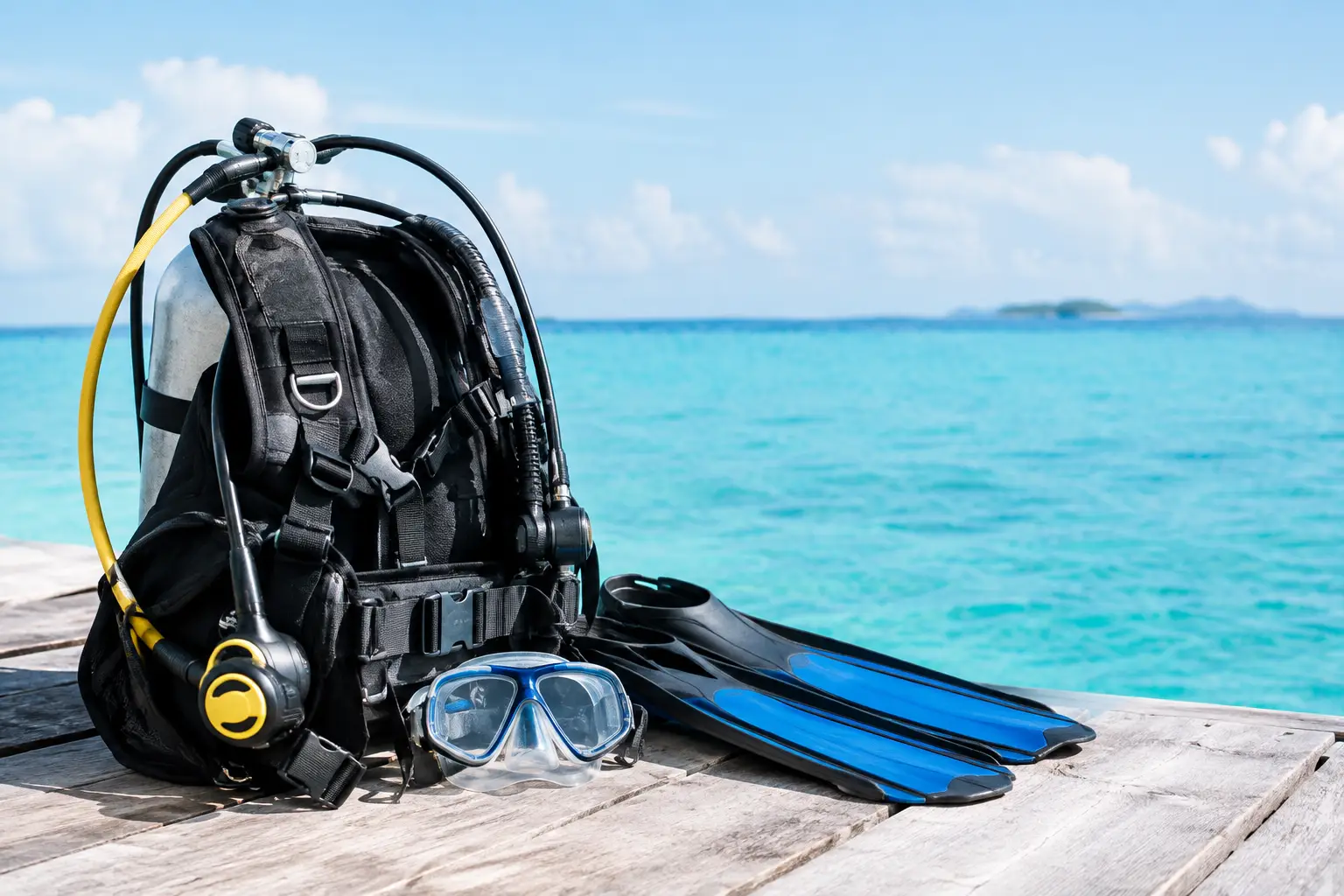
Before committing, request a clear breakdown. You should know what is included, what you need to bring, and which costs may arise during the course. As a future dive professional, personal equipment is especially worth considering. A properly fitted mask, fins, exposure protection, computer, surface marker buoy, compass, and cutting tool are not just accessories. They are tools you need to know intimately.
Also plan your energy, not only your budget. Professional training days can involve early starts, physical exercise, studying, equipment handling, and multiple hours around the water. Rest, hydration, and a sensible approach to alcohol are part of the discipline. The Caribbean is for enjoying, but your course performance benefits from arriving focused.
Is Divemaster the right next step for you?
Divemaster is a strong choice if you want to guide divers, work in dive tourism, support instruction, travel with a professional skill, or simply become a more capable and knowledgeable diver. It can also be personally rewarding for divers who love helping others feel comfortable beneath the surface.
It may not be the right move yet if you are still building basic confidence, struggle to manage your buoyancy, or mainly want deeper recreational access. There is no penalty for taking more time as an Advanced or Rescue Diver. Extra dives, specialty training, and experience in different conditions can make your eventual professional course far more enjoyable.
The best reason to pursue Divemaster is not that it sounds impressive. It is the desire to be useful underwater: to know the site, support the team, protect the marine environment, and help another person experience the Caribbean’s blue depth with confidence. When that responsibility feels exciting rather than intimidating, you are ready to take the next step.
Want to dive in the Dominican Republic?
Tell us your level, dates and what kind of experience you want. We will help you choose a dive, course or excursion.
Talk on WhatsApp