Diving Ear Equalization: Comfort Before Descent
Learn diving ear equalization techniques for calmer descents in Punta Cana, plus warning signs, common mistakes, and when to stop safely underwater too.
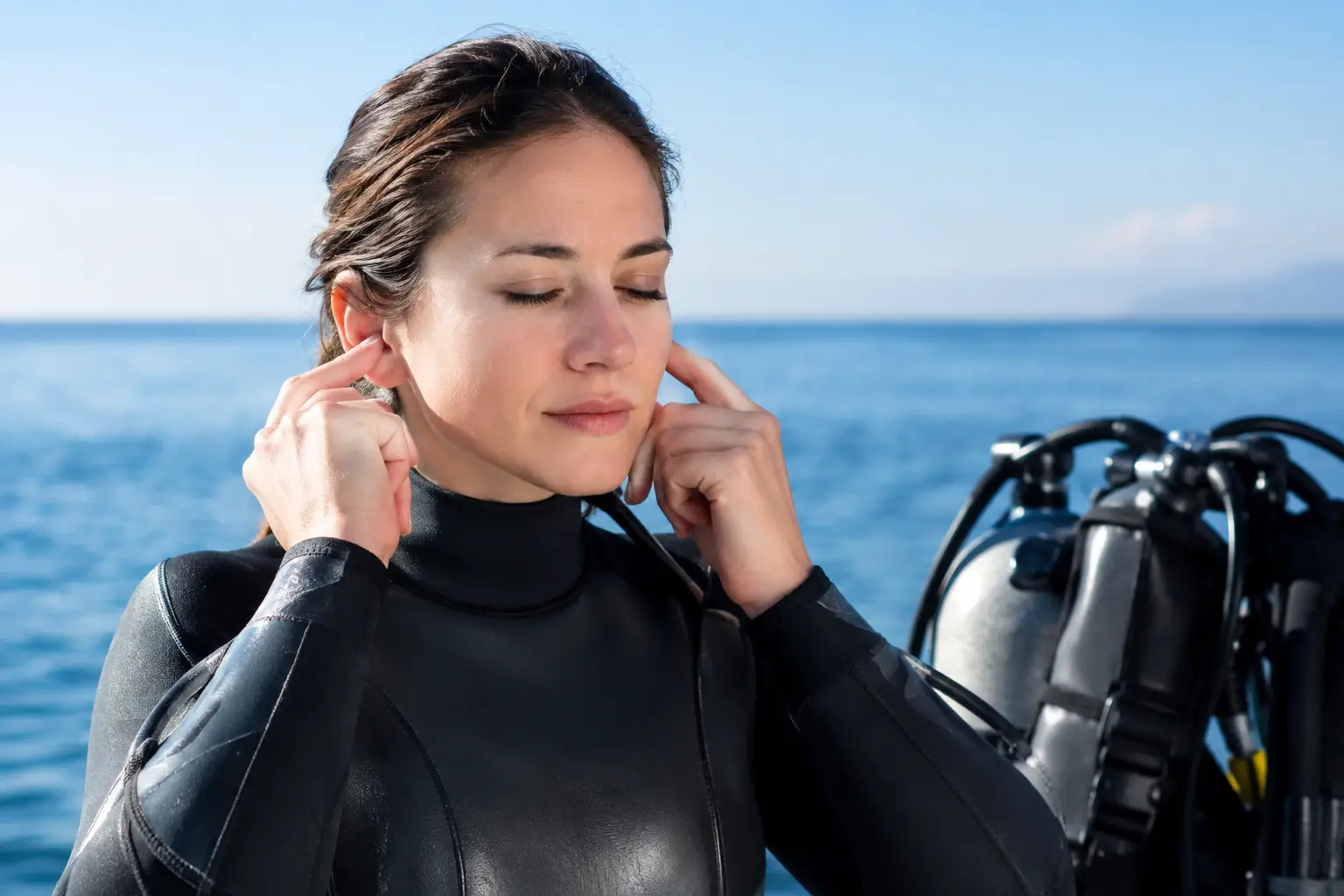
The reef is waiting below, the water is warm, and your guide signals that it is time to descend. Then comes the feeling every diver remembers: pressure building in the ears. Diving ear equalization is the small skill that makes a huge difference between a relaxed start to your Caribbean adventure and a dive you need to end early. It is not about pushing through discomfort. It is about listening to your body, using the right technique early, and descending at a pace that lets you enjoy every moment.
For new divers, equalizing can seem intimidating because it is unfamiliar. For certified divers, it can change from day to day depending on hydration, congestion, fatigue, and even how rushed the descent feels. The good news is that most equalization problems are preventable with preparation, patience, and good buoyancy control.
Why Diving Ear Equalization Matters
As you go deeper, surrounding water pressure increases. Air spaces in your ears must match that changing pressure. When they do not, the eardrum is pulled inward, creating pressure, fullness, muffled sound, or pain. Equalizing gently sends air through the Eustachian tubes, the narrow passages connecting the middle ears to the back of the throat.
This happens quickly. Pressure changes are strongest near the surface, so the first few feet of a descent are often where divers need the most attention. Waiting until your ears hurt makes equalization harder, not easier. A calm descent begins at the surface, with your ears already prepared.
The goal is never to prove that you can tolerate discomfort. Pain is a stop signal. Continuing downward with pain can lead to an ear barotrauma, a pressure-related injury that may end both your dive day and part of your vacation.
How to Equalize Your Ears While Diving
Start equalizing before you leave the surface. Many divers gently clear their ears once while floating upright, then again as they begin to descend. Continue early and often - before you feel pressure rather than after it arrives.
The method you use may be personal. These are the most common techniques:
- Valsalva maneuver: Pinch your nose closed and blow very gently against it. The key word is gently. A forceful blow can be ineffective and may irritate the ears.
- Swallowing: Swallowing naturally opens the Eustachian tubes for many people. Taking a small sip of water before descent can help some divers.
- Jaw movement: Wiggle your jaw, move it side to side, or mimic a yawn. This can release light pressure and is easy to repeat frequently.
- Toynbee maneuver: Pinch your nose and swallow at the same time. Some divers find it more comfortable than Valsalva.
- Frenzel maneuver: Pinch your nose, close the back of your throat, and use your tongue to gently compress air upward. It takes practice but is efficient, especially for frequent equalizers and freedivers.
You do not need to use every technique. Find the one that works consistently for your body, then practice it on land when you are healthy and relaxed. During a guided dive, your instructor or divemaster can help you slow down and choose a position that gives you more control.
Descend feet first when you need more control
A feet-first descent is often easier for beginners because it allows you to pause instantly, signal your guide, and ascend a few feet if necessary. It also gives you a visual reference on the line, reef, or wall. Head-first descents can be comfortable for experienced divers, but they may make equalizing more challenging because pressure builds quickly and mucus can shift toward the Eustachian tubes.
At Scuba & Chill, small groups make this practical rather than theoretical. With no more than four divers, there is room to slow down, clear your ears, and start the adventure comfortably instead of trying to keep up with a large group.
What to Do When Your Ears Will Not Equalize
The best response is simple: stop descending. Signal your buddy or guide, remain calm, and ascend a few feet until the pressure eases. Then try again, slowly. Often, that small ascent gives the ears enough relief to equalize naturally.
Do not keep descending in the hope that the pressure will resolve at depth. It will not. Do not forcefully blast air into your ears either. Aggressive equalization can cause its own problems and may leave you dizzy or uncomfortable.
Sometimes one ear clears while the other feels blocked. In that case, tilt the blocked ear slightly upward and try your preferred gentle technique. Move your jaw, swallow, and give it time. If it still will not clear after a few relaxed attempts, end the descent. A reef, wreck, or wall will still be there another day. Your ears deserve the same respect as your air supply and buoyancy.
Common Equalization Mistakes
The most common mistake is waiting too long. Divers often focus on mask clearing, buoyancy, cameras, or staying close to the group and forget to equalize until the pressure is obvious. Make it part of your rhythm: equalize, descend a little, equalize again.
Another mistake is diving with a cold, sinus congestion, allergies that are not well controlled, or lingering pressure from a recent flight. Decongestants may seem like an easy fix, but they are not a reliable solution. Their effects can wear off underwater, creating a reverse block on ascent. They can also have side effects that do not mix well with diving. If you are considering medication, discuss it with a qualified dive medical professional beforehand.
Poor descent technique can also create trouble. Dropping too fast, struggling with a heavy kick, or descending head-down before your ears are ready adds stress at exactly the wrong time. A controlled descent is not slow because you lack skill. It is controlled because you are diving well.
Do not forget the ascent
Equalization is mostly discussed during descent, but your ears also need to release expanding air as you ascend. In most cases, this happens naturally. If you feel pressure or pain on the way up, slow down or stop. Never descend again to “fix” ear pain without guidance. A reverse block can be more complicated than a difficult descent, and forcing the issue is not the answer.
Preparing Before Your Punta Cana Dive
Good equalization begins before the boat leaves or the shoreline disappears behind you. Sleep well, drink water, and avoid diving when you are sick or severely congested. Alcohol the night before can contribute to dehydration and make you less aware of early discomfort, so save the celebration for after the dive.
Arrive with enough time to set up calmly and tell your instructor if you have had previous ear issues, surgery, frequent infections, or trouble equalizing on past dives. That conversation helps your team plan a patient descent and choose conditions that fit your comfort level. A first reef dive in calm, clear water may be a better place to build confidence than a fast drop over a deep wall.
If you are learning to dive, practice the motion during confined-water training until it feels ordinary. If you are already certified but have been out of the water for a while, treat your first dive back as a reset. There is no prize for descending first. There is plenty of reward in arriving at the reef relaxed enough to notice the schools of blue tang, the movement of soft coral, and the quiet scale of the Caribbean below.
When to Skip the Dive and Seek Help
Skip diving if you have significant congestion, an active ear infection, persistent ear pain, drainage, hearing changes, dizziness, or a recent ear procedure unless a medical professional familiar with diving has cleared you. If pain, hearing loss, ringing, vertigo, or fluid continues after a dive, do not return to the water until you have been evaluated.
This is not being overly cautious. A day on land is a small trade-off compared with an injury that could affect future dives. The best dive operators will support that decision without pressure because safe divers make better memories.
Your ears are not an obstacle between you and the Caribbean Deep. They are part of the preparation that lets you enter it comfortably. Give them time, equalize early, and let a calm descent set the tone for everything waiting beneath the surface.
Want to dive in the Dominican Republic?
Tell us your level, dates and what kind of experience you want. We will help you choose a dive, course or excursion.
Talk on WhatsApp