Ethical Shark Diving Guide for Punta Cana
Use this ethical shark diving guide to choose respectful Punta Cana encounters that protect sharks, respect habitat, and put safety before spectacle.
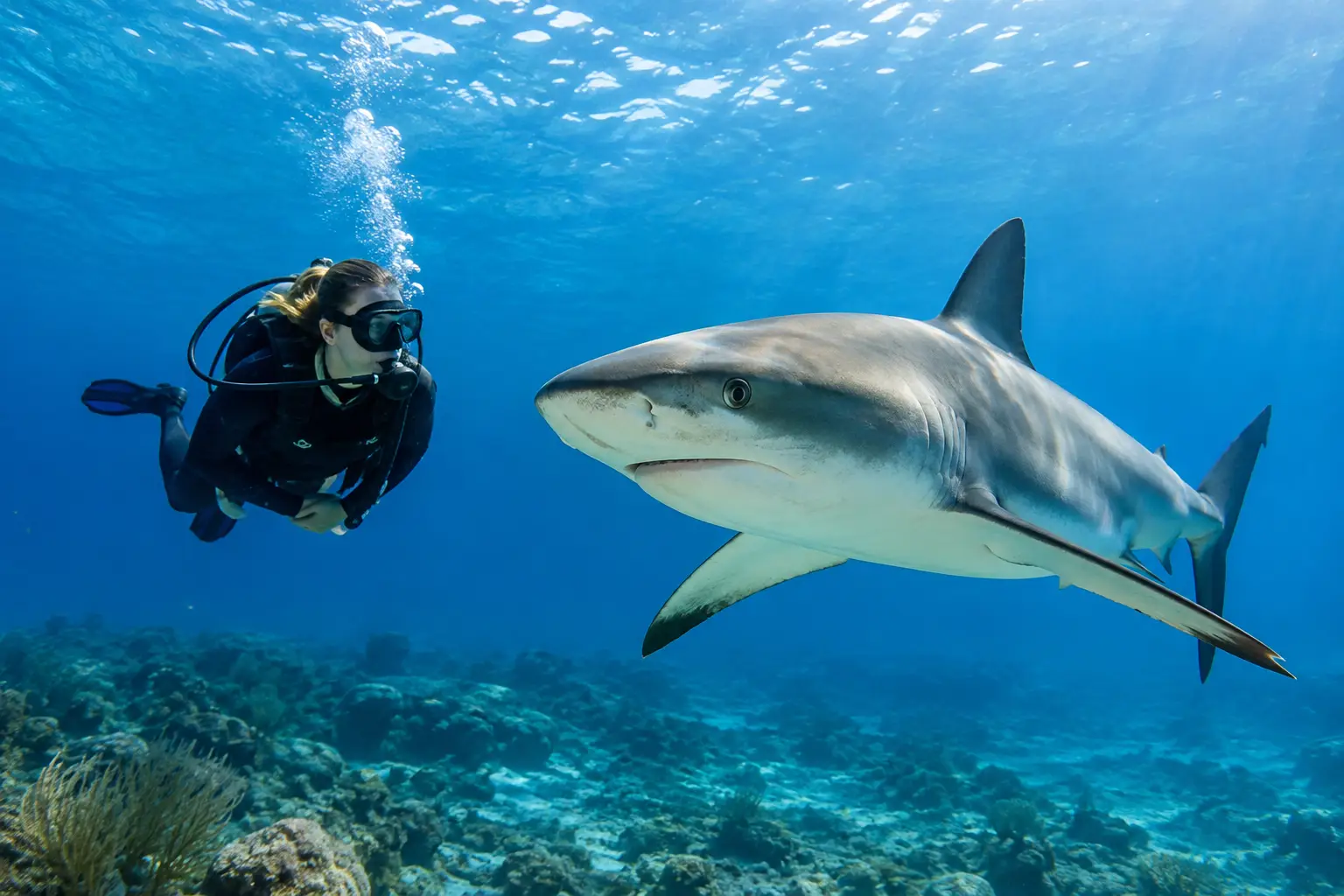
A shark moving calmly through blue water can change the way you see the Caribbean. It is not a stunt, a photo prop, or a creature to conquer. This ethical shark diving guide is for travelers who want that rare, electric moment in Punta Cana while making choices that respect the animal, the reef, and every diver in the water.
The goal is not to get as close as possible. The goal is to witness a shark behaving naturally, then surface knowing your visit added no pressure to an already vulnerable ocean. That begins long before you put on your mask.
What ethical shark diving really means
Ethical shark diving is built around animal welfare, diver safety, and honest expectations. A responsible operation does not promise guaranteed sightings, encourage guests to touch wildlife, or push people into conditions beyond their experience. It treats the encounter as wildlife observation, not entertainment on demand.
That distinction matters because sharks are essential to healthy marine ecosystems. As predators, they help maintain balance among reef species. Yet many shark populations face pressure from fishing, habitat loss, and fear-driven misinformation. A thoughtful dive experience can replace fear with respect, but only when it is run with care.
An ethical operator also protects the broader setting. A shark encounter is never separate from the coral, fish, currents, and seafloor around it. Good practices include proper buoyancy control, careful anchoring or mooring use, limited group sizes, and a pace that does not crowd animals into changing their behavior.
How to choose an ethical shark diving experience
The right questions reveal more than a glossy photo ever will. Before booking, ask how the dive center manages wildlife encounters, how many guests enter the water at once, and whether guides give a specific shark-behavior briefing. Clear, confident answers are a good sign. Vague promises of close contact are not.
Look for small groups and qualified guides
A small group gives a guide space to read the conditions, monitor every diver, and adjust the plan if a shark appears. It also means fewer bubbles, fewer flailing fins, and less crowding around a natural encounter. For newer divers, that attention can be the difference between a tense dive and a calm, memorable one.
Choose a center led by certified professionals who put the briefing before the excitement. They should explain entry and exit procedures, depth limits, currents, hand signals, and what to do if the group sees a shark. Ask whether the guide knows the site well and whether the center maintains its equipment carefully.
At Scuba & Chill, groups are limited to four divers, creating a more personal way to explore the Caribbean Deep. That smaller format supports both safety and the quiet observation that wildlife encounters deserve.
Ask about feeding and attraction practices
Feeding sharks or using food to draw them close is one of the most important questions in this ethical shark diving guide. Practices vary between regions, species, local rules, and scientific perspectives, so there is no single answer that fits every site. But any operator should be transparent about exactly what happens underwater and why.
If an encounter depends on baiting, ask how it is managed, whether it is legally permitted, how animals are kept at a respectful distance, and whether the practice has been evaluated for that location. If the answers make you uncomfortable, choose a natural encounter site instead. There is nothing less exciting about seeing a shark pass through its habitat on its own terms.
Avoid operations that market touching, holding, riding, or provoking sharks. These actions can stress the animal, increase risk, and teach guests the wrong lesson about wild marine life.
Check that the dive matches your experience
A shark site may involve depth, current, open-water descents, limited visibility, or a wall environment. Those conditions can be wonderful for experienced divers but inappropriate for someone who has just earned a certification or has not been in the water for years.
Be honest about your comfort level. A professional center will recommend the right site, suggest a refresher when needed, or advise you to build experience first. That is not a missed opportunity. It is a sign that your safety matters more than filling a boat.
For noncertified travelers, an introductory experience may be a better first step than a demanding shark-focused dive. Learn to breathe slowly, control your buoyancy, and enjoy the reef before seeking more advanced conditions. Sharks are part of the ocean, not a checklist item.
Your behavior underwater matters
Once underwater, your calm presence is your greatest contribution. Sharks often assess their surroundings through movement, body language, and distance. A relaxed diver is easier for wildlife to tolerate than someone chasing, splashing, or blocking its route.
Stay close to your guide and maintain awareness of the entire scene, not only the shark. Keep your body horizontal, move slowly, and control your fins so you do not strike coral or stir up the bottom. Give the animal room to pass. If it changes direction, do not pursue it for a better photo.
Never touch a shark, even if it comes close. Do not reach out, use a selfie stick to approach it, or place yourself between the shark and open water. Keep your hands near your body and your equipment secure. A dangling gauge, loose action camera, or sudden kick can create unnecessary stress or confusion.
If you feel nervous, signal your guide. There is no prize for staying down when you are uncomfortable. Ethical diving includes respecting your own limits as much as the animal's.
Photograph sharks without turning the encounter into a chase
A good shark image should show distance, calm, and context. The reef, blue water, and natural posture of the animal tell a more powerful story than an extreme close-up obtained by pursuit.
Set your camera before entering the water whenever possible. Then take a few deliberate shots and return your attention to the dive. Avoid bright strobes at close range, especially if the shark seems unsettled or visibility is low. Your guide may set site-specific photo rules, and those rules should always come first.
The best souvenir is also the story you tell afterward. Share the species only if your guide confirms it, avoid dramatic claims about aggression, and explain that sharks are wild animals with an important ecological role. Responsible photos can inspire curiosity instead of fear.
Punta Cana conditions: let nature set the schedule
The Dominican Republic offers warm water, reef systems, wrecks, walls, and changing marine conditions that make each day different. Sightings can depend on season, weather, current, visibility, boat traffic, and pure luck. No ethical operator should guarantee a shark simply because you booked a specific dive.
That uncertainty is part of the experience. A day that brings sea turtles, schooling fish, rays, or a dramatic reef may be every bit as meaningful as a shark sighting. Choose a center that plans for the whole underwater experience rather than selling one animal as a certainty.
Weather can also change a plan quickly. A responsible guide may move to another site, adjust the depth, postpone the trip, or cancel when conditions are not right. It can be disappointing on vacation, but it is the professional decision. The ocean does not need to perform for us.
Turn one dive into a better kind of travel
Ethical shark diving continues after the boat returns. Choose reef-safe habits, keep plastics out of the water, and avoid buying souvenirs made from coral, shells, or shark products. If you eat seafood during your stay, ask where it came from and favor choices that do not add pressure to vulnerable species.
You can also support marine education by listening during the briefing and asking your guide what threats local reefs face. The Caribbean is not just a beautiful backdrop for a vacation. It is a living system shaped by coastal development, warming water, storms, fishing pressure, and the people who choose to care for it.
A respectful shark encounter does not need to be forced, fed, or filmed from inches away to be unforgettable. Let the shark keep its distance, let your guide lead, and let the moment be wild. That is where the real adventure begins.
Want to dive in the Dominican Republic?
Tell us your level, dates and what kind of experience you want. We will help you choose a dive, course or excursion.
Talk on WhatsApp