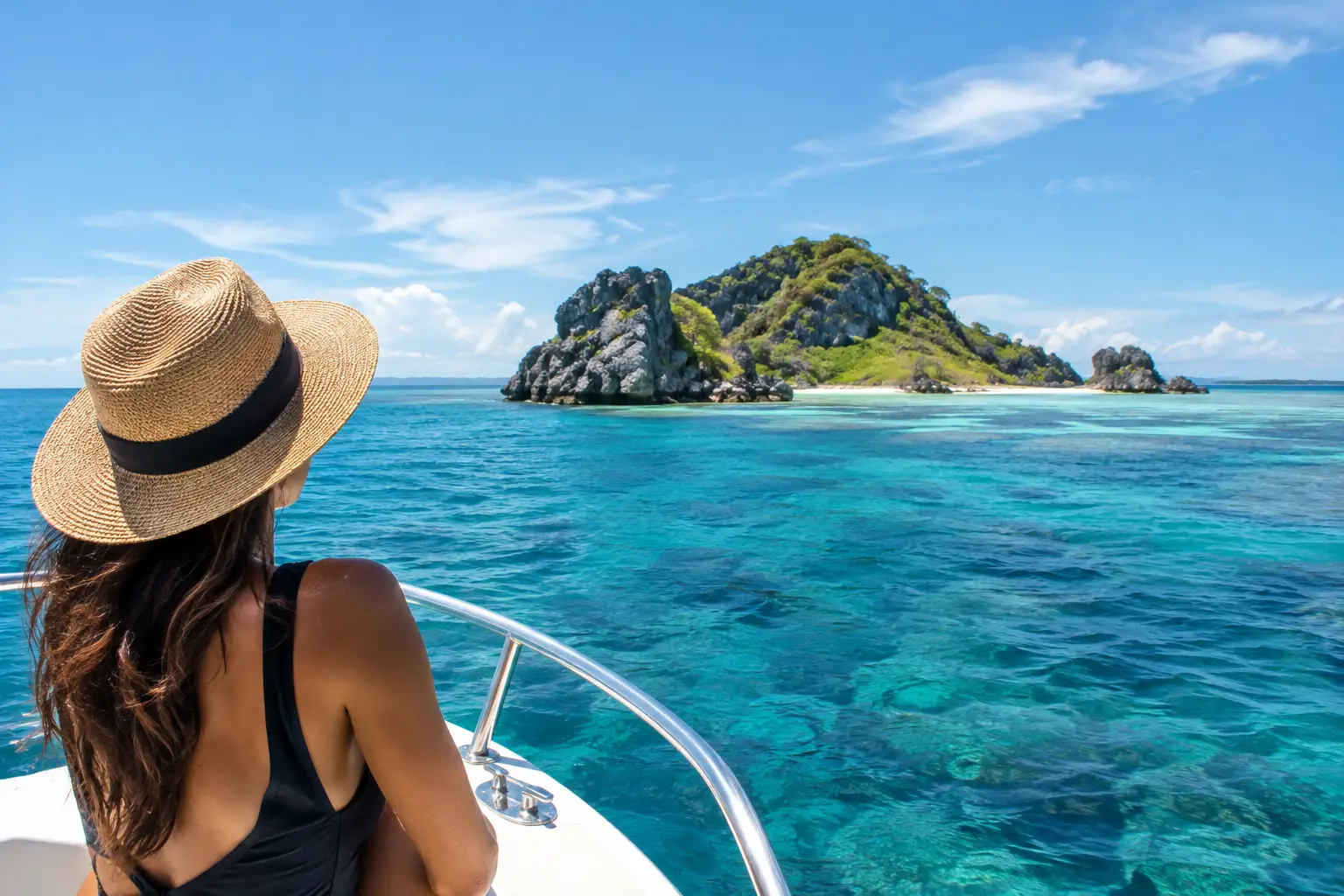
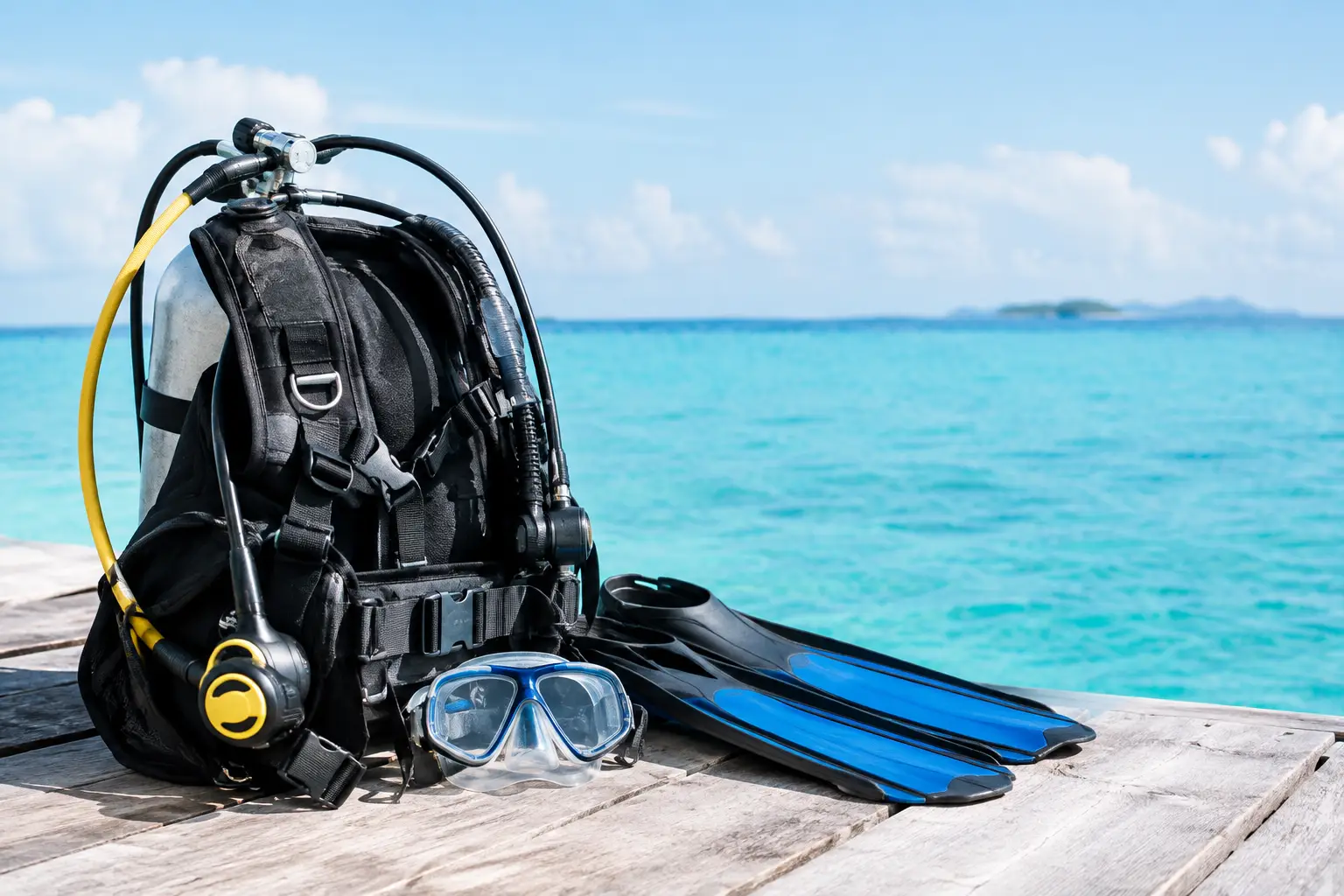
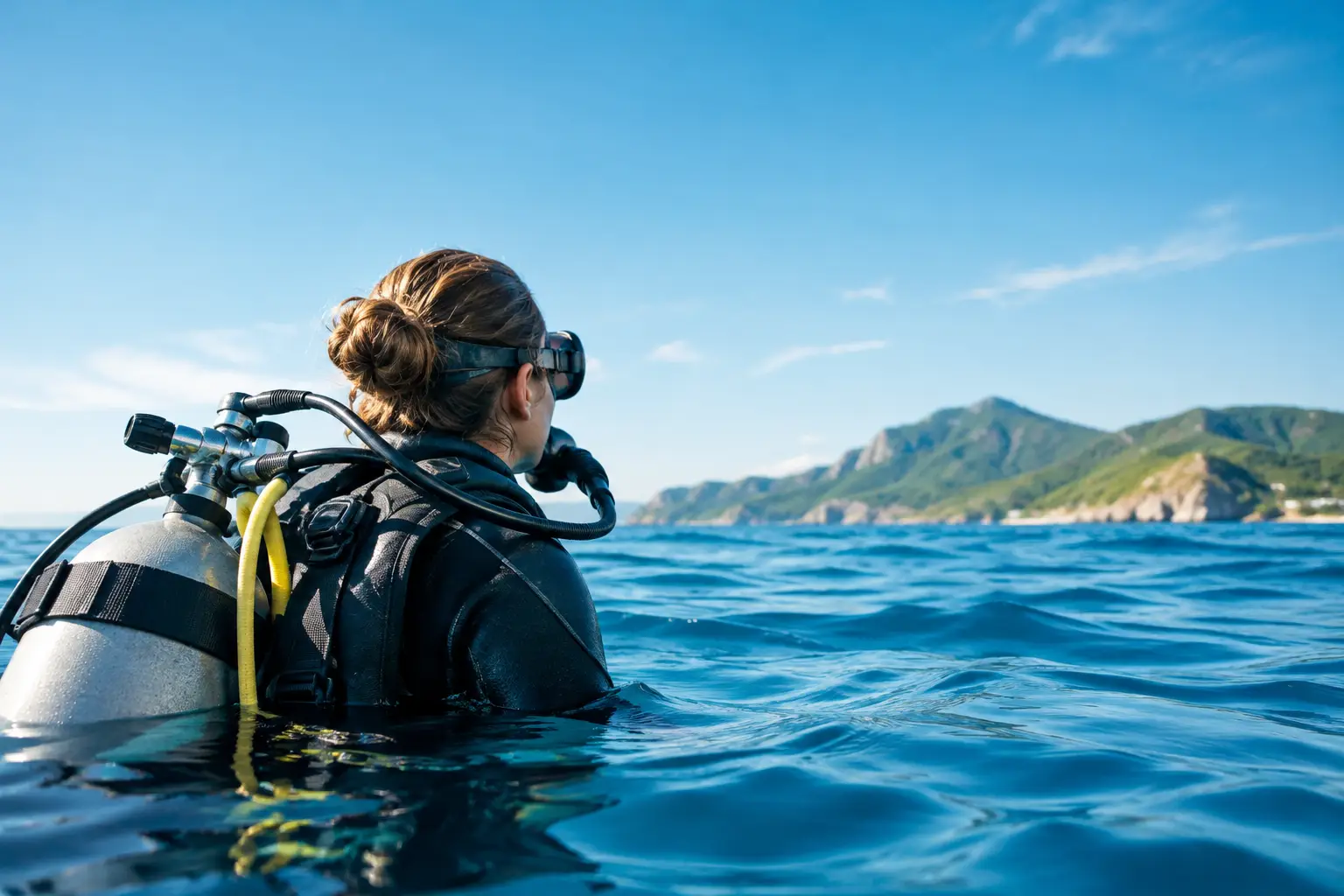
Isla Catalina diving guide: what to expect
Plan your Isla Catalina diving trip with clear advice on reef conditions, certification, logistics, and a calmer, small-group Caribbean experience today.
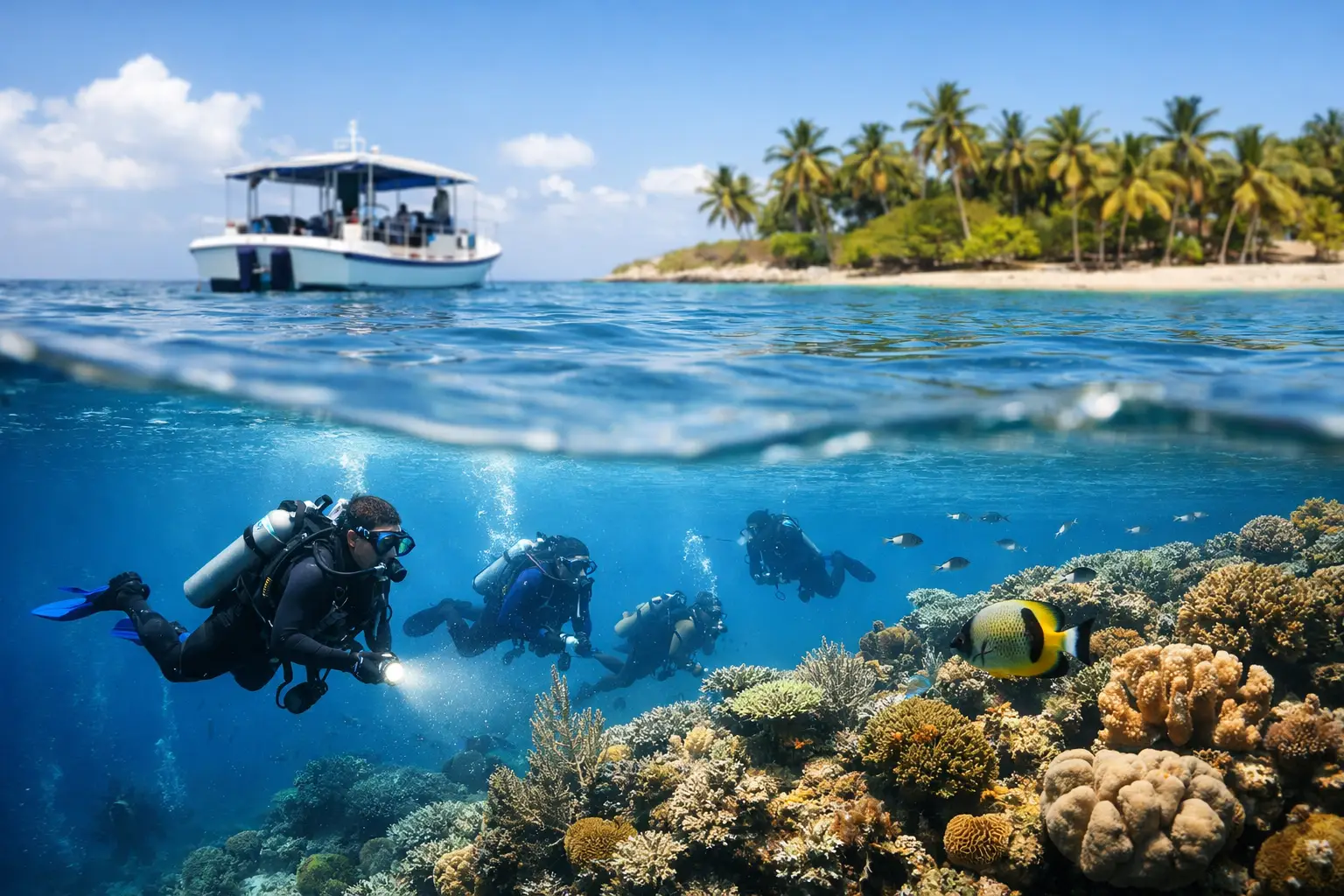
The first time Isla Catalina’s reef comes into view beneath the surface, the coast disappears and the Caribbean becomes intensely close: pale sand, coral contours, and schools of fish moving through blue water. This Isla Catalina diving guide is for travelers staying in Bávaro or Punta Cana who want that moment to feel exciting, well organized, and genuinely personal rather than rushed.
Isla Catalina is not an attraction to simply check off between beach plans. It is a day built around the sea, and the quality of the experience depends on the site selected, your comfort in the water, the day’s conditions, and the people guiding you. For some divers, it is a colorful, relaxed reef day. For others, it is a chance to improve buoyancy, explore a wall, and spend unhurried time in the Caribbean Deep.
Why dive Isla Catalina?
Located off the southeastern coast of the Dominican Republic, Isla Catalina is valued for its clear water, reef life, and varied underwater topography. Depending on the selected site and conditions, divers may encounter coral gardens, sandy slopes, reef fish in dense groups, sponges, and the dramatic feeling of a reef edge dropping into deeper blue water.
Visibility can be wonderfully open, but the ocean does not follow a vacation schedule. Wind, rain, current, and seasonal changes can affect the plan. A responsible dive center does not promise the same visibility or wildlife encounter every day. Instead, it reads the conditions, chooses the best available site, and sets expectations honestly before anyone enters the water.
That approach matters particularly for first-time visitors to the Dominican Republic. The most memorable dive is not always the deepest or most demanding one. It is the one where you are comfortable enough to notice the small details: a trumpetfish holding still beside a coral head, a school shifting direction at once, or the soft sound of your own breathing as the reef passes below.
Who is Isla Catalina best for?
Isla Catalina can suit both certified divers and curious beginners, but the right format is different for each person. Certified divers can enjoy a guided reef or wall experience within their training and recent diving history. If you have not dived for a year or more, say so when booking. A refresher, a conservative profile, or an easier first dive may be the smarter choice than trying to pick up exactly where you left off.
New divers should not assume that an island excursion automatically means a full certification course. A supervised introductory experience is designed differently from a course, with more time focused on basic skills, comfort, and close instructor support. If you want to leave with an internationally recognized credential, plan for PADI training rather than treating it as an add-on to a single excursion.
Families and couples often enjoy Isla Catalina most when the day is planned at their shared pace. One guest may be an experienced diver while another is nervous in the water or prefers to snorkel. That does not have to turn into two separate vacations. Clear planning before departure helps create a day that works for everyone.
What makes a good Isla Catalina dive day?
The logistics behind a calm underwater experience deserve as much attention as the reef itself. From Bávaro, an early pickup, dependable transport, well-maintained equipment, and a briefing in a language you understand remove unnecessary friction before the boat leaves shore. You should know where you are going, what the entry will be like, how deep the planned dives may be, and what to do if you feel uncomfortable.
At Scuba & Chill, groups are limited to four guests. That smaller format changes the rhythm of the day. There is more time to adjust a mask, review a hand signal, ask about marine life, or slow down when you need to. It also lets the guide make better decisions for the people actually in the water, not for the pace of a crowded boat.
A proper briefing should cover more than the route. Listen for the practical details: maximum depth, expected current, buddy procedures, air management, marine-life etiquette, and the signal to end the dive. These are not formalities. They are the framework that lets you relax once you descend.
Equipment and fit come first
Full equipment should feel like support, not distraction. A mask that leaks constantly, fins that rub, or weights added without checking your buoyancy can pull your attention away from the reef. Take a few extra minutes on the surface to make adjustments. If something does not feel right, say it immediately.
Experienced divers should bring or mention any personal gear preferences in advance, especially for masks, computers, exposure protection, or photography equipment. Beginners should not worry about owning gear. What matters is receiving equipment that fits correctly and an explanation of how it works before entering the water.
Protecting the reef is part of the experience
Healthy coral is not scenery. It is a living habitat, and a careful diver makes a visible difference. Maintain neutral buoyancy, keep fins clear of the bottom, secure every dangling gauge or hose, and never hold coral for balance. Even a light touch can damage organisms that took years to grow.
Avoid chasing turtles, fish, or rays for a closer photo. The better encounter comes when you become quiet, control your position, and let the animal choose its distance. A guide with ocean science and coral-restoration knowledge can add real context here, helping guests see the reef as an ecosystem rather than a backdrop.
How to choose the right dive profile
There is no single “best” Catalina dive because the right profile depends on your certification, confidence, air consumption, and the day’s sea state. A diver with a new Open Water certification may get far more from a bright, shallow reef with time to practice buoyancy. An advanced diver may be drawn to deeper contours and a wall, provided the conditions and training make that appropriate.
Be direct when you book. Share your certification level, the date of your last dive, whether you are prone to seasickness, and what you hope to see. If you are traveling with a partner who is not diving, mention that too. Good planning begins with those details, not with a generic itinerary.
Do not confuse a fast descent with confidence. Descend slowly, equalize early and often, and use the line or your guide’s reference when conditions call for it. If you cannot equalize comfortably, signal and stop. Forcing it can end the day before the reef has even begun.
A practical plan for your trip
Reserve ahead if Isla Catalina is a priority on your Punta Cana itinerary, particularly during busy travel periods or if you want a private experience. Give yourself flexibility in the week where possible. Weather can require a schedule adjustment, and the best operators will choose safety over forcing a marginal departure.
The evening before, hydrate well, avoid excess alcohol, and get proper rest. Bring a swimsuit, towel, reef-safe sun protection for time on deck, and a dry change of clothes. If you are susceptible to motion sickness, discuss suitable options with a medical professional before your trip rather than waiting for the boat ride to start.
After diving, follow the standard recommendations for altitude exposure. Do not plan a flight or a high-altitude activity immediately afterward. Your dive team can help clarify the appropriate timing based on the dives completed that day.
Questions travelers often ask
Do I need to be certified to dive Isla Catalina?
Certification is required for standard guided scuba dives. If you are not certified, ask about a supervised beginner experience or plan a PADI course. The best choice depends on whether you want to try scuba in a controlled setting or develop skills for future diving.
Will I see a lot of marine life?
Catalina’s reefs can be lively, with tropical fish, corals, and a range of smaller creatures to observe. Wildlife is never guaranteed, and that is part of the authenticity of diving. The guide’s knowledge, your buoyancy, and patience often determine how much of the reef you actually notice.
Is a small group worth it?
For many travelers, yes. A small group means closer supervision, less waiting, and a more adaptable pace. It may not be the lowest-cost option, but it is particularly valuable for new divers, mixed-experience couples, and anyone who would rather ask questions than blend into a large crowd.
Leave room in your vacation for a day that moves at the ocean’s pace. With thoughtful planning, a respectful approach to the reef, and a guide who knows when to lead and when to let the water speak, Isla Catalina becomes more than a dive site. It becomes a clear, quiet memory of the Caribbean that stays with you long after you return to shore.
Want to dive in the Dominican Republic?
Tell us your level, dates and what kind of experience you want. We will help you choose a dive, course or excursion.
Talk on WhatsApp