Guide to Penon Reef Diving in Punta Cana
Plan a calm, personal Penon Reef dive from Bavaro: what to expect, who can join, how to prepare, and why small groups make each moment count underwater.
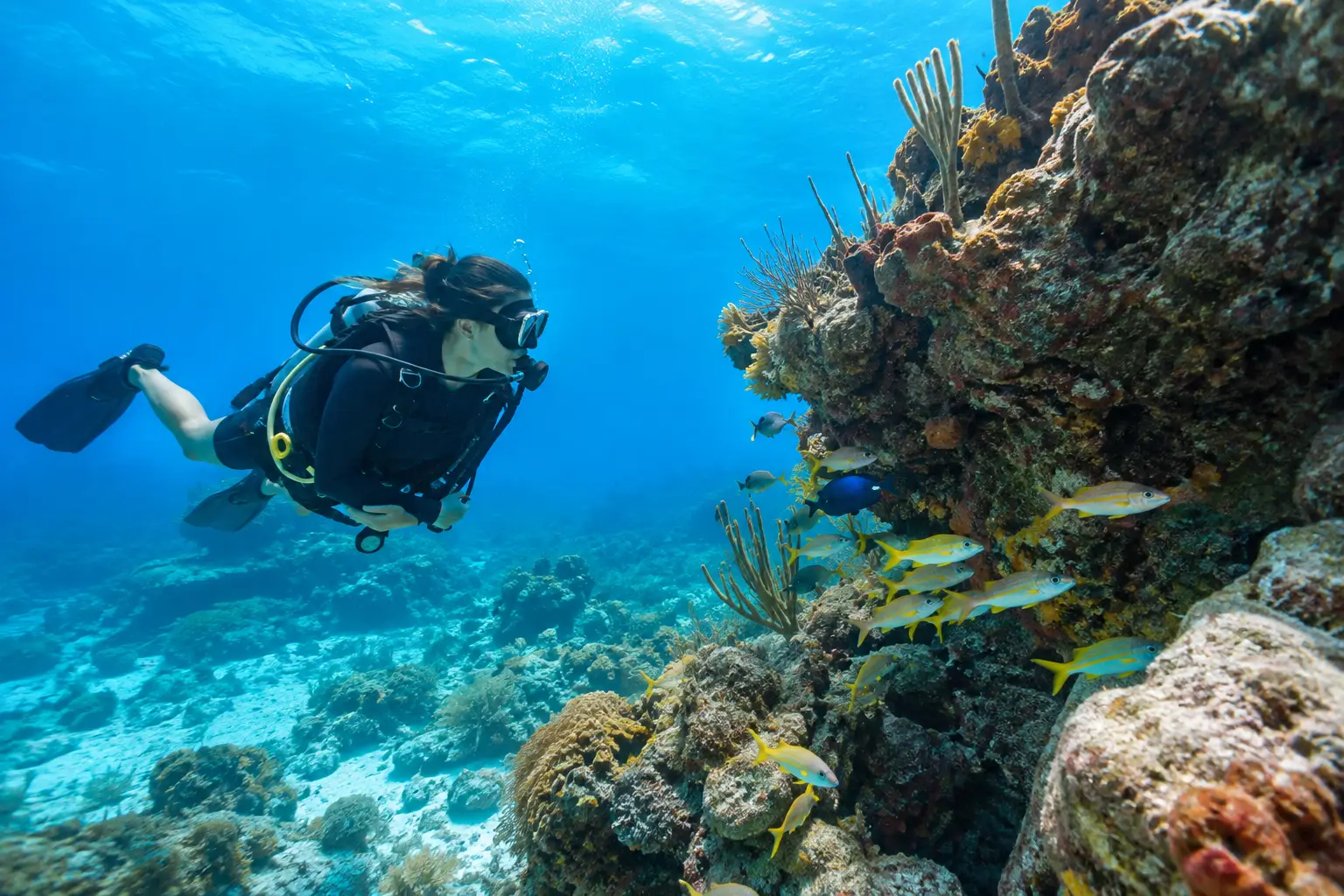
A reef can look quiet from the boat, then reveal an entire neighborhood the moment you descend. At Penon Reef, the reward is in slowing down: watching the coral contours, checking the blue for passing fish, and noticing the small marine life that hurried divers often miss. This guide to Penon Reef diving is designed for travelers staying in Bavaro or Punta Cana who want a memorable Caribbean dive without the rushed feeling of a large-group excursion.
Penon Reef is best enjoyed as a guided experience. It is not about chasing a checklist of sightings or proving how fast you can get underwater. It is about good buoyancy, unhurried observation, and a guide who knows when to pause, point out a hidden creature, or adjust the route to match the conditions of the day.
Your Guide to Penon Reef Diving
Penon Reef offers the kind of reef diving that suits a broad range of certified divers. Its appeal is visual and immersive: coral formations, reef fish moving through the water column, changing light, and the possibility of unexpected encounters that make every descent feel different.
The Caribbean does not perform on command, and that is part of the experience. Visibility, current, surface conditions, and marine activity can all change from one day to the next. A responsible guide plans around those variables rather than promising a fixed underwater script. On a calm day, you may spend more time appreciating the reef structure and color. If current picks up, the dive profile may become more sheltered or the route may be adapted to keep the group comfortable and safe.
For many visitors, Penon Reef is a refreshing alternative to a crowded boat schedule. You still get the anticipation of open water and the excitement of descending into the Caribbean Deep, but the experience can feel personal rather than processed.
What you may see below the surface
Healthy reef observation is about more than looking for the biggest animal. Schools of tropical fish can shift around coral heads in seconds. Small creatures may be tucked into crevices. Rays, larger reef fish, and other passing visitors are always possible, but never guaranteed.
That uncertainty is worth embracing. A great dive is not measured only by one headline sighting. It can be the moment sunlight reaches a coral ridge, a guide spots a well-camouflaged fish, or your breathing finally slows enough for the reef to feel completely still around you.
If you are a photographer, ask your guide about the pace and conditions before entering the water. Reef photography benefits from patience, stable buoyancy, and a small group that does not need to rush from one point to another. If you are not carrying a camera, you have an even better excuse to look closely.
Who Should Dive Penon Reef?
Penon Reef is a strong choice for certified divers who want an enjoyable, guided reef dive during a Punta Cana vacation. It can suit recently certified divers who want a reassuring first or early ocean dive, as well as experienced divers who value a relaxed profile and the chance to focus on natural detail.
Your best fit depends on your certification, recent dive history, comfort in open water, and the conditions that day. If it has been a while since your last dive, be honest during the pre-dive conversation. There is no benefit in pretending to be more comfortable than you are. A careful briefing, an equipment check, and a slower start can make a major difference to how much you enjoy the dive.
Traveling with a partner who is less experienced than you are? This is where a small group matters. With no more than four divers, the guide can keep the pace sensible, monitor air consumption, and give both divers more attention. Experienced guests still get a thoughtful dive, while newer divers are not left feeling pressured to keep up.
Non-certified guests should not assume every reef trip is an entry-level activity. Ask about an appropriate beginner experience or PADI training option instead. Learning the right skills before a reef dive protects both your confidence and the fragile marine environment you came to see.
What a Well-Planned Dive Day Looks Like
A good Penon Reef dive begins before the first tank is loaded. You should know where and when you will be collected, what equipment is included, what certification materials to bring, and how the day may change if weather or sea conditions call for a different plan.
For guests in Bavaro, complimentary transportation removes one of the most annoying parts of vacation diving: arranging rides while carrying towels, dry clothes, paperwork, and a head full of logistics. Once you arrive, take time to get comfortable with your setup. Check the fit of your mask and fins, confirm your weight system, and tell the instructor about anything that concerns you, from equalization anxiety to a shoulder issue.
The pre-dive briefing should be clear, not overly technical. Expect to review the planned route, entry and exit procedures, communication signals, depth and time limits, buddy expectations, and what to do if you become separated from the group. This is also the right time to ask about the current, visibility, and any recent sightings. Questions are a sign that you are engaged, not inexperienced.
Underwater, a calm guide helps set the rhythm. Stay close enough to see signals easily, protect your buoyancy around coral, and resist the temptation to touch marine life or rest on the reef. The reef is beautiful because it is alive. Good diving leaves it exactly as it was found.
After surfacing, give yourself time to hydrate and reflect. You may be surprised by what stays with you: not just the fish you saw, but the feeling of hovering weightless over a living landscape.
Conditions, Comfort, and Smart Expectations
Punta Cana diving conditions can be inviting, but tropical water is not a guarantee of identical conditions every day. Wind can affect the boat ride and surface chop. Rain may change the sky without changing the underwater visibility much, while a shift in current can reshape the entire feel of a dive.
The smart approach is to book with flexibility in your schedule when possible. Do not save your only possible dive day for the final morning of your trip, especially if you are flying soon afterward. Diving requires appropriate surface intervals before air travel, and your instructor can advise based on your dive plan.
Comfort also comes down to personal preparation. Eat a light meal beforehand if you are prone to seasickness, hydrate well, and avoid excessive alcohol the night before. Use reef-safe sun protection where possible, but remember that the best protection for the reef is also your behavior underwater: controlled fins, hands off coral, and no collecting shells or marine souvenirs.
What to bring, and what to leave behind
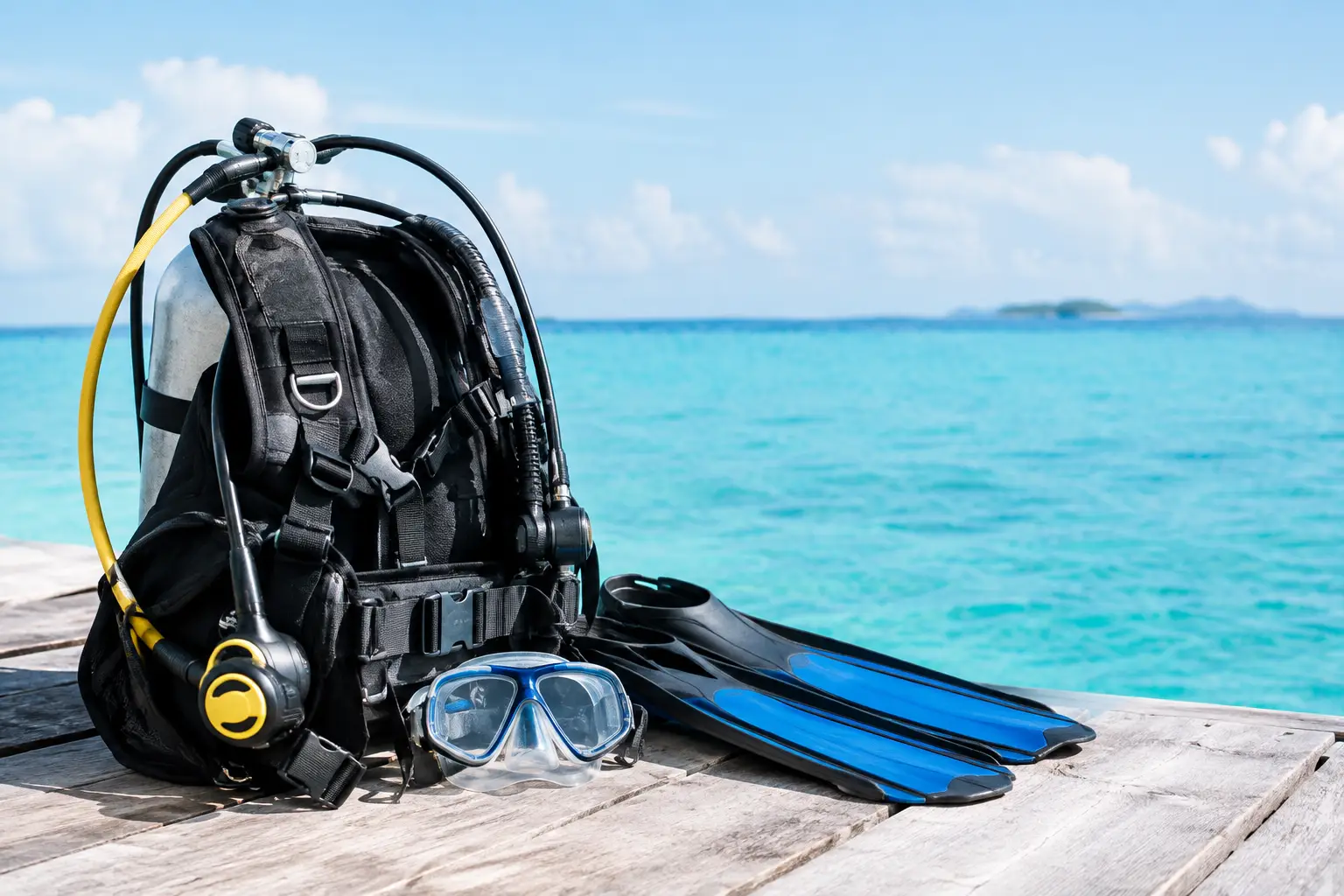
Bring your certification card or digital proof, swimwear, a towel, sunglasses, and any personal medication you may need. A reusable water bottle is useful on a warm Caribbean day. If you have a favorite mask that fits you perfectly, bring it, but complete equipment should be available so you do not need to travel with heavy dive gear.
Leave valuables at your hotel when possible. Also leave expectations of a perfect scripted encounter on shore. The most rewarding dives are often the ones where the reef offers something you did not anticipate.
Why Small Groups Change the Experience
A smaller group is not simply a luxury detail. It affects safety, comfort, and the quality of what you see. Fewer people in the water means less commotion around marine life, easier communication with the guide, and more room to adapt the dive to the group’s air use and confidence level.
At Scuba & Chill, groups are limited to four divers, with certified PADI instructors and equipment maintained for reliable use. That boutique approach is especially valuable for couples, families, and travelers who prefer attentive guidance over a crowded assembly-line excursion.
It also creates space for better decisions. If someone needs extra time to equalize, a small group can pause. If the conditions suggest a gentler route, the plan can adjust. Adventure should feel exciting, never careless.
Penon Reef rewards divers who arrive curious, prepared, and willing to move at the ocean’s pace. Give yourself that time underwater, and the Caribbean may show you far more than you expected.
Want to dive in the Dominican Republic?
Tell us your level, dates and what kind of experience you want. We will help you choose a dive, course or excursion.
Talk on WhatsApp