How to Plan Private Dives in Punta Cana
Learn how to plan private dives in Punta Cana, from choosing the right site and guide to timing, safety, gear, and a relaxed day beneath the Caribbean.
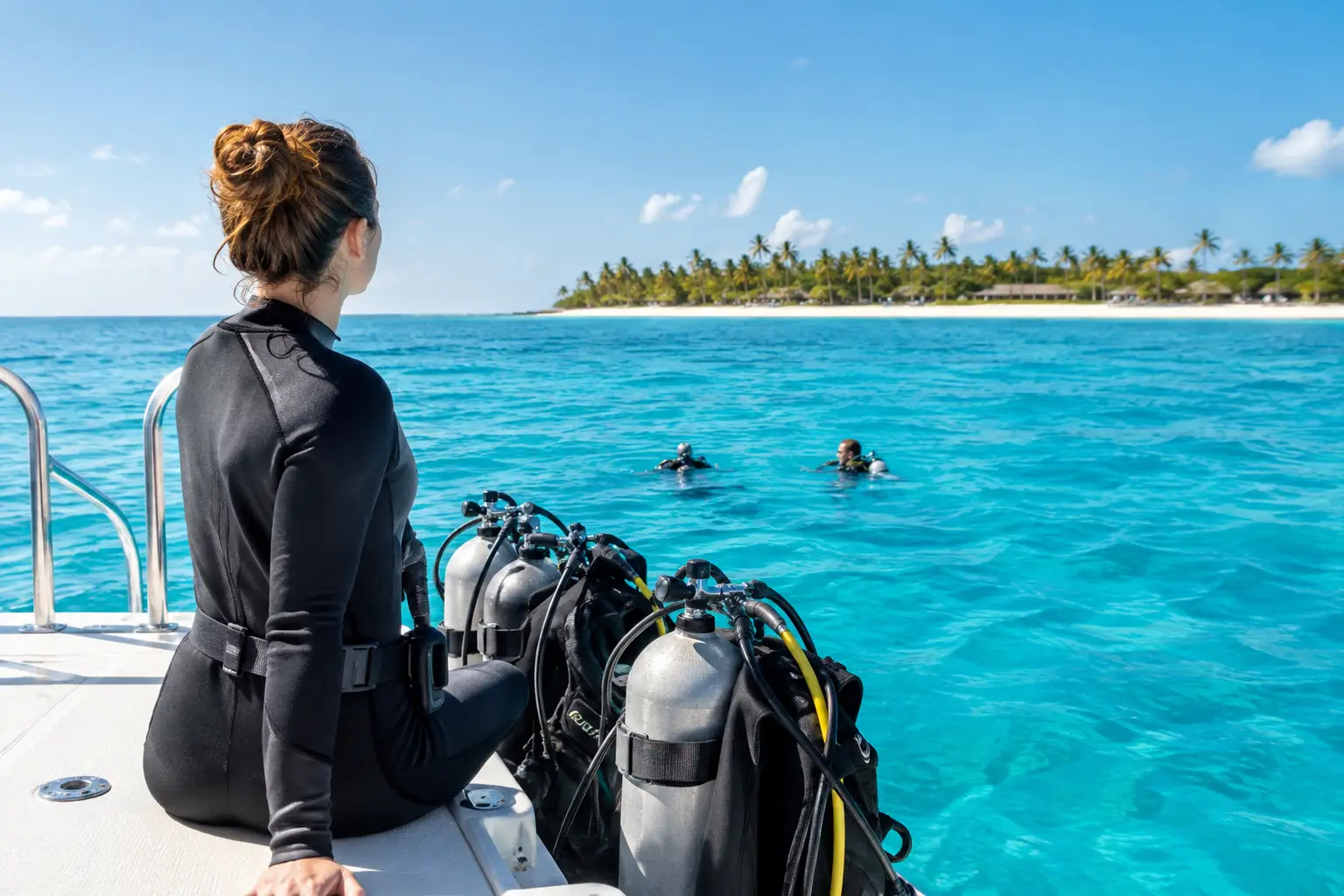
A private dive should feel like your day in the Caribbean, not a slot on a crowded boat schedule. Maybe you want to descend slowly with your partner, give your family extra attention, photograph a wreck without being rushed, or finally see reef sharks with a guide who understands your comfort level. Knowing how to plan private dives means matching the experience to the people in the water, not simply booking the deepest or most famous site.
In Punta Cana and Bávaro, that planning starts before you pack a mask. Ocean conditions, certification level, travel time, and the kind of memory you want to bring home all shape the right itinerary. A little intention lets you enjoy the Caribbean Deep with more confidence and much less vacation-day stress.
Start With the Experience You Want
Private does not always mean extreme. For some travelers, it means a calm first breathing experience in clear water with an instructor close by. For certified divers, it may mean a two-tank morning on a reef and wreck, a dedicated underwater photography session, or a full-day escape toward Isla Catalina or Isla Saona.
Think first about your priorities. Are you traveling as a couple and hoping for a quiet, unhurried adventure? Are you a family with a child curious about Bubblemaker? Is one guest certified while another has never worn a regulator? Or are you an experienced diver looking for walls, wrecks, caves, or Shark Point?
Share those details when you inquire. A good private plan is built around the least experienced person in the group without making the stronger divers feel as though they are missing out. That might mean choosing a vibrant, shallow reef over a deeper wreck, or arranging separate guided experiences on the same day.
How to Plan Private Dives Around Your Certification
Your certification is not a formality. It determines the sites, depths, and profiles that are appropriate for you. Bring proof of certification if you have it, and be honest about your recent experience. A diver with 50 logged dives who has not been underwater in five years may benefit from a gentle refresh before heading to a deeper site.
If you are not certified, private diving can still be an excellent option. A Discover Scuba Diving experience gives beginners a more personal introduction, with time to practice essential skills and ask questions before entering open water. It is very different from being pushed through a large group at someone else’s pace.
Certified divers should also be clear about what they want to see. The St. George Wreck and Atlantic Princess can appeal to wreck enthusiasts, while colorful reef systems such as Peñón Reef reward divers who enjoy coral life, schools of fish, and a relaxed profile. Shark encounters require the right conditions and responsible expectations: wildlife is never a guaranteed performance, and that unpredictability is part of what makes the ocean real.
Choose the Right Day, Not Just Any Available Day
The calendar matters, but weather has the final word. Sea state, wind direction, currents, and visibility can change which destination makes the most sense. A flexible traveler often has the better dive day because the operator can select the site that is best protected and most rewarding at that moment.
If your itinerary allows, reserve your private dive for the first half of your stay rather than the last day. That leaves room to reschedule if conditions shift, and it gives you time to fall in love with diving enough to add another outing. It also keeps you clear of an important safety guideline: do not dive immediately before flying. Your guide can advise on the appropriate surface interval based on your dive plan.
Morning departures are often ideal. The air is cooler, the water can be calmer, and you return with the afternoon still open for the beach, lunch, or a nap. But an early boat is not automatically best for everyone. Families, guests adjusting to a new time zone, and anyone who wants a slower start should say so. Private service should create breathing room, not another rushed alarm.
Ask What “Private” Actually Includes
The word private can mean very different things. Some operators use it for a small group that shares a boat with other guests. Others provide a dedicated guide but not exclusive transportation. Neither approach is inherently wrong, but you should know what you are reserving.
Before confirming, ask whether the boat, guide, or entire excursion is exclusive to your party. Confirm the maximum number of divers, the number of dives, the expected travel time, and whether hotel pickup from Bávaro is included. Ask about equipment, tanks, weights, refreshments, marine park fees if applicable, and photography options so there are no surprises on the day.
At Scuba & Chill, small groups are limited to four people, which already changes the pace of a dive considerably. For a private outing, that personal attention becomes even more valuable when your group has different experience levels, a special occasion to celebrate, or a very specific underwater goal.
Build Safety Into the Plan From the Beginning
The most memorable private dives are relaxed because the safety decisions were made well before the descent. Choose a PADI-certified professional who asks about your certification, medical considerations, last dive, and comfort level. Those questions are signs of care, not obstacles to the adventure.
A good pre-dive briefing should cover the site, maximum depth, expected conditions, hand signals, entry and exit procedures, buddy assignments, and what to do if you become separated. If anything is unclear, ask. There is no prize for pretending to understand underwater communication.
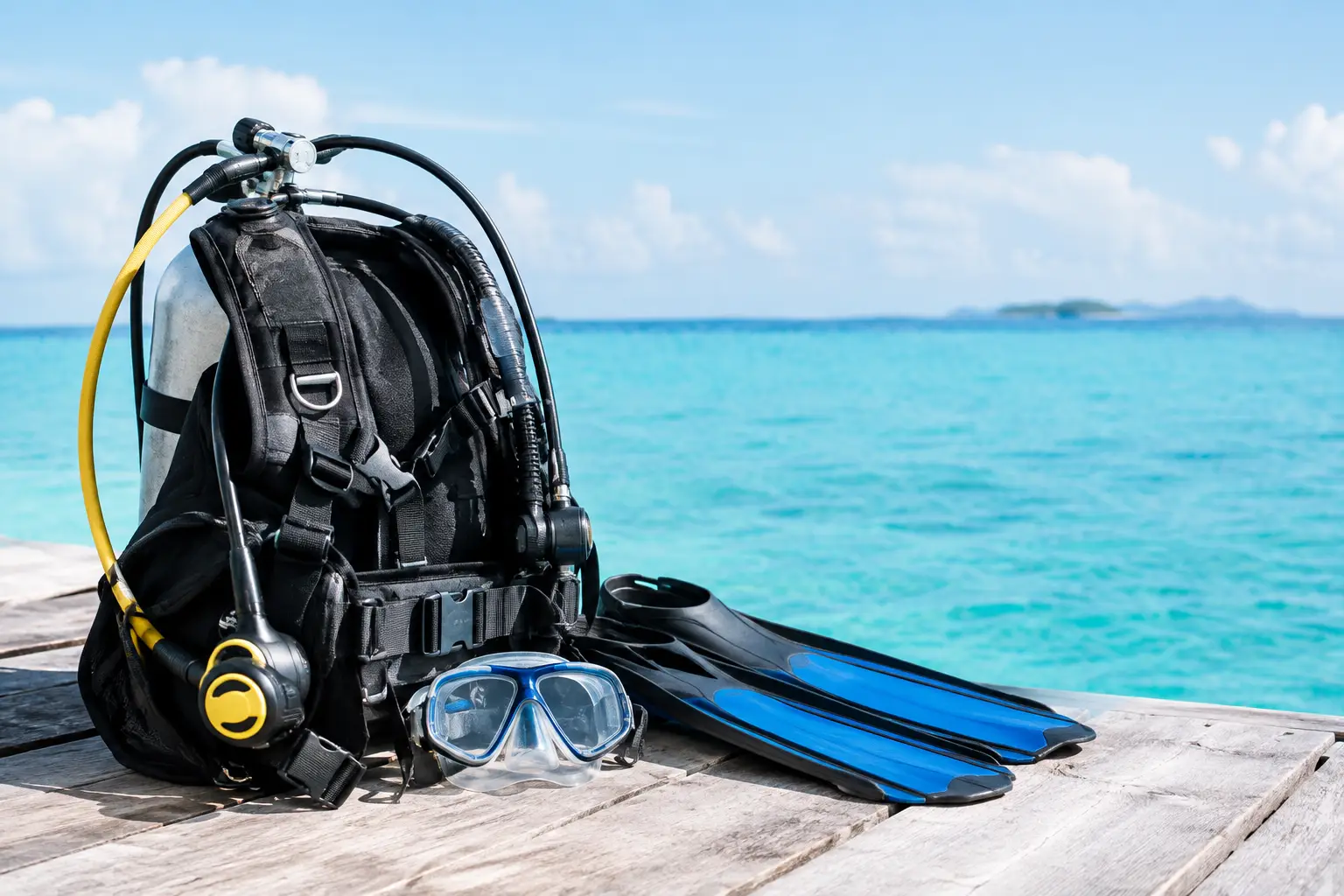
Make sure your equipment fits and works properly. A mask that leaks constantly or fins that rub your heels can turn a beautiful reef into an uncomfortable ordeal. If you bring your own gear, inspect it before travel and let the dive team know what you are using. If you rent, arrive with enough time to try on the mask, BCD, wetsuit, and fins without pressure.
Your responsibility continues below the surface. Stay close enough to your buddy and guide, monitor air and depth, move slowly, and respect the agreed turnaround pressure. Private does not mean independent of the plan. It means the plan has been designed specifically for you.
Pick Sites for Conditions and Interests
Punta Cana offers more variety than a single postcard reef. The right location depends on your training, the day’s conditions, and what gets you excited underwater.
A newer diver may be happiest among shallow coral gardens, where sunlight brings out the color of parrotfish, angelfish, and soft corals. A certified diver seeking structure may prefer the history and scale of a wreck. More advanced guests can ask about deeper walls, current, and sites known for larger marine life, while understanding that access depends on certification and the sea.
Longer excursions to places such as Isla Catalina or Isla Saona can be spectacular, especially for groups who want the journey to be part of the experience. The trade-off is a longer day and more boat time. If your group includes guests prone to seasickness or small children, a nearby reef may offer more underwater enjoyment with less travel fatigue.
Photographers should say what they hope to capture. A guide can help select a site and time that suit wide-angle reef scenes, wreck compositions, or careful observation of smaller creatures. Never chase, touch, feed, or corner marine life for a photo. The best images come from patience and a respectful distance.
Keep the Day Comfortable Above Water Too
Private-dive planning is as much about logistics as it is about the descent. Wear reef-safe sunscreen before boarding, bring a towel and dry clothes, and hydrate well. Avoid heavy alcohol the night before, particularly if you are new to diving or prone to dehydration. A light meal before departure is usually wiser than diving on an empty stomach or after a huge breakfast.
If you are susceptible to motion sickness, address it before the boat leaves. Talk with a medical professional or pharmacist about suitable options, and tell your guide discreetly. Sitting where you can see the horizon, staying hydrated, and keeping cool can help.
For a proposal, birthday, family milestone, or simply a long-awaited trip together, tell the team in advance. The best personal touches are planned around the dive schedule and safety needs, not improvised while everyone is trying to gear up.
Leave Room for the Ocean to Surprise You
A private itinerary should have a clear plan, but it should never be so rigid that it ignores the sea. Visibility may be better at a different site. Current may make a shallower reef the smarter choice. A turtle may turn a routine safety stop into the moment everyone talks about over dinner.
Arrive rested, communicate openly, and let your guide use their local knowledge. The goal is not to check off the most demanding dive on a list. It is to surface smiling, comfortable, and already wondering when you can return beneath that blue Caribbean water.
Want to dive in the Dominican Republic?
Tell us your level, dates and what kind of experience you want. We will help you choose a dive, course or excursion.
Talk on WhatsApp