How to Prevent Diving Seasickness: 8 Smart Tips
Learn how to prevent diving seasickness with practical boat-day habits, medication timing, and safety tips for calmer Caribbean dives in Punta Cana today.
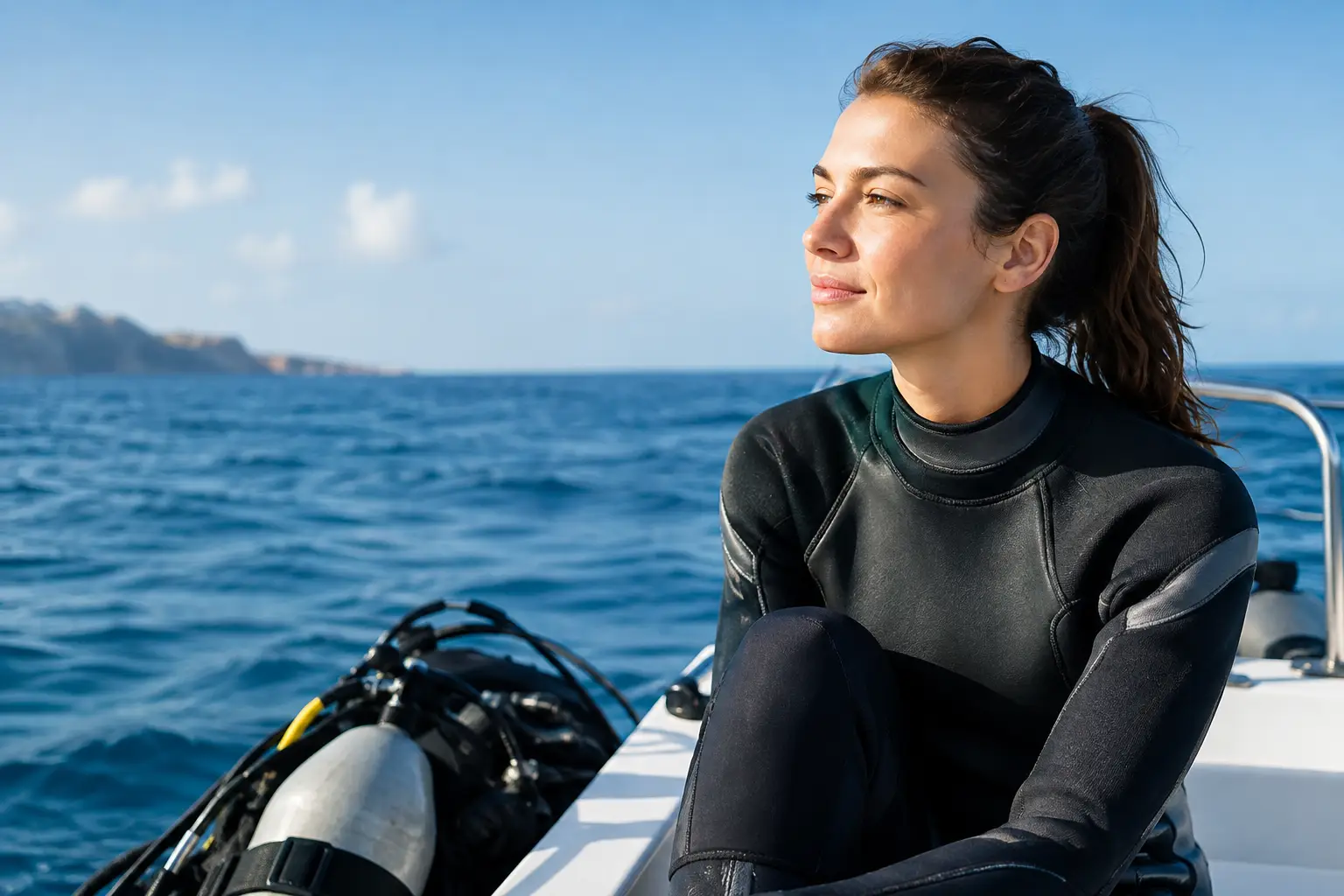
The boat is only a few minutes from the coast, the water is glowing Caribbean blue, and then your stomach decides it has other plans. Learning how to prevent diving seasickness can make the difference between watching a reef from the deck and descending calmly toward it.
The good news is that motion sickness is common, manageable, and not a sign that you are not made for scuba diving. It happens when your inner ear senses the boat moving while your eyes receive a different message. On a rougher day, even experienced divers can feel it. The goal is not to tough it out. The goal is to arrive at the dive site comfortable, hydrated, alert, and ready to enjoy the underwater world safely.
Why seasickness matters before a dive
Seasickness is more than an inconvenience when you are about to scuba dive. Nausea, vomiting, headache, sweating, and fatigue can leave you dehydrated and distracted. Those are not conditions you want to carry into a descent, particularly around a wall, wreck, or current.
A little discomfort does not always mean the day is over. Some divers feel better as soon as they enter the water because the boat motion disappears. But if you are actively vomiting, dizzy, unusually tired, or unable to focus on instructions, tell your dive professional. Skipping a dive is never a failure. It is a smart decision that protects your safety and lets you enjoy the next opportunity more fully.
How to prevent diving seasickness before you board
Your best defense begins the evening before the trip, not once the boat starts rocking. A rested, hydrated body generally handles motion better than one running on cocktails, little sleep, and a large breakfast.
Sleep, hydrate, and eat lightly
Aim for a normal night's sleep. Travel days, early alarms, and excitement can make this harder, but exhaustion lowers your tolerance for motion and makes nausea feel worse.
Start drinking water well before departure. Tropical heat adds another challenge: you can become dehydrated before you ever put on a wetsuit. Sip water through the morning rather than chugging a large amount at the dock.
Do not dive on an empty stomach, but keep your meal simple. Toast, oatmeal, fruit, eggs, yogurt, or a small sandwich are usually easier choices than fried food, very spicy meals, or anything excessively rich. Avoid alcohol the night before and the morning of your dive. It contributes to dehydration, poor sleep, and impaired judgment, even if you do not feel hungover.
Choose motion-sickness medication with care
For many divers, medication is useful, especially if they already know they are prone to motion sickness. Common options include antihistamine motion-sickness medicines, prescription patches, and non-drowsy remedies. What works best depends on your health history, the type of medication, and how your body responds.
The key rule is simple: never try a new medication for the first time on a dive day. Some products cause sleepiness, blurred vision, dry mouth, or slower reactions. Those side effects can be a poor match for an activity that requires awareness and good decision-making.
Speak with a doctor or pharmacist before your trip, particularly if you are pregnant, have glaucoma, prostate concerns, heart conditions, take other medications, or have any medical question about diving. Follow the label or medical advice exactly, including timing. Many medications need to be taken well before boarding to be effective.
Ginger candies, ginger tea, or acupressure wristbands help some people and do not help others. They can be reasonable additions, but do not assume they will replace a tested medical option if you have a strong history of seasickness.
On the boat, stay where your body feels the motion least
Once you are underway, fresh air and the right position can make a noticeable difference. If possible, sit outside rather than in a closed cabin, where heat, fuel smells, and limited visibility may intensify nausea.
Look toward the horizon or a stable point in the distance. This helps your eyes and inner ear agree about the boat's movement. Avoid scrolling on your phone, reading, reviewing underwater photos, or staring down at your gear bag. Even a few minutes of screen time can trigger symptoms in someone who is sensitive.
The middle of the boat, close to the waterline, usually moves less than the bow or stern. Every vessel has its own layout, so ask the crew where they recommend sitting. Keep your body facing forward when practical, breathe slowly, and avoid getting overheated in the sun.
If you begin to feel unwell, say something early. A professional crew has heard this before and can often help with a cooler spot, water, a bag, or simple reassurance. There is no prize for pretending you feel fine.
Prepare your dive gear before the ride
A rushed gear setup can turn mild nausea into a stressful experience. If conditions allow, organize your mask, fins, exposure protection, and personal items before departure or while still at the dock. Then you can spend the boat ride looking outward, breathing fresh air, and listening to the briefing rather than bending over zippers and straps.
Keep only what you need nearby. A bottle of water, a light snack for after the dive, sunscreen used well before boarding, and a small towel are useful. Strongly scented lotions, perfume, and food odors can be unpleasant when seas are moving.
At Scuba & Chill, small groups create more room for individual support. That matters on the practical details: a guide can help you settle in, review the plan at a comfortable pace, and make sure seasickness does not turn into avoidable stress before your Caribbean adventure begins.
What to do if nausea starts at the dive site
The first wave of nausea is your cue to act, not panic. Move into fresh air, look at the horizon, take slow breaths, and tell the crew. Small sips of water are usually better than drinking a large amount quickly.
If you need to vomit, do so over the side of the boat, downwind when possible, and away from other divers and equipment. Do not feel embarrassed. It is a normal boating issue. Afterward, rinse your mouth, hydrate gradually, and reassess honestly.
Whether you should dive depends on how you feel, the sea conditions, the site, and the guidance of your instructor or divemaster. If you are clearly improving and can focus on the briefing, equalize comfortably, and manage your equipment, entering the water may help. If you are weak, disoriented, dehydrated, or still vomiting, rest and sit the dive out.
Never rush to enter the water just because everyone else is getting ready. Safe diving starts with being mentally present. There will be reefs, rays, coral gardens, and wrecks waiting for you on another day.
During the dive, keep the plan conservative
Many people feel immediate relief underwater, but motion can still be present in surge or current. Descend slowly, stay close to your buddy and guide, and use the descent line if one is available. Focus on calm, steady breathing.
If nausea returns underwater, signal your buddy and guide. Do not hold your breath or bolt for the surface. Stop, stabilize yourself, and follow the plan for a controlled ascent if needed. Vomiting can happen underwater; while unpleasant, it is manageable when you keep your regulator in place and breathe normally afterward. Your dive professional can explain appropriate procedures before the dive if this is a concern.
Choose an easier profile when you are not feeling your best. A relaxed reef dive in mild conditions may be a better choice than a deeper wreck, a long surface swim, or a site known for stronger current. That is not missing out. It is choosing the version of the Caribbean that lets you enjoy it.
Build a routine for your next boat dive
The most effective approach is personal. Notice what happened on past trips: Did symptoms begin after a heavy meal? Were you tired? Did sitting inside make things worse? Did a specific medication work but make you drowsy? Those details help you create a reliable routine.
Before your next outing, pack water, a light snack, any medically appropriate medication you have already tested, and a mindset that leaves room for changing conditions. The sea sets the rhythm. When you respect it, listen to your body, and communicate early with your dive team, the ride becomes just one small part of the day between you and the Caribbean Deep.
Want to dive in the Dominican Republic?
Tell us your level, dates and what kind of experience you want. We will help you choose a dive, course or excursion.
Talk on WhatsApp