The best family diving experiences in Punta Cana
Plan the best family diving experiences in Punta Cana with small groups, PADI guidance, full gear, and Caribbean sites chosen for every age and comfort.
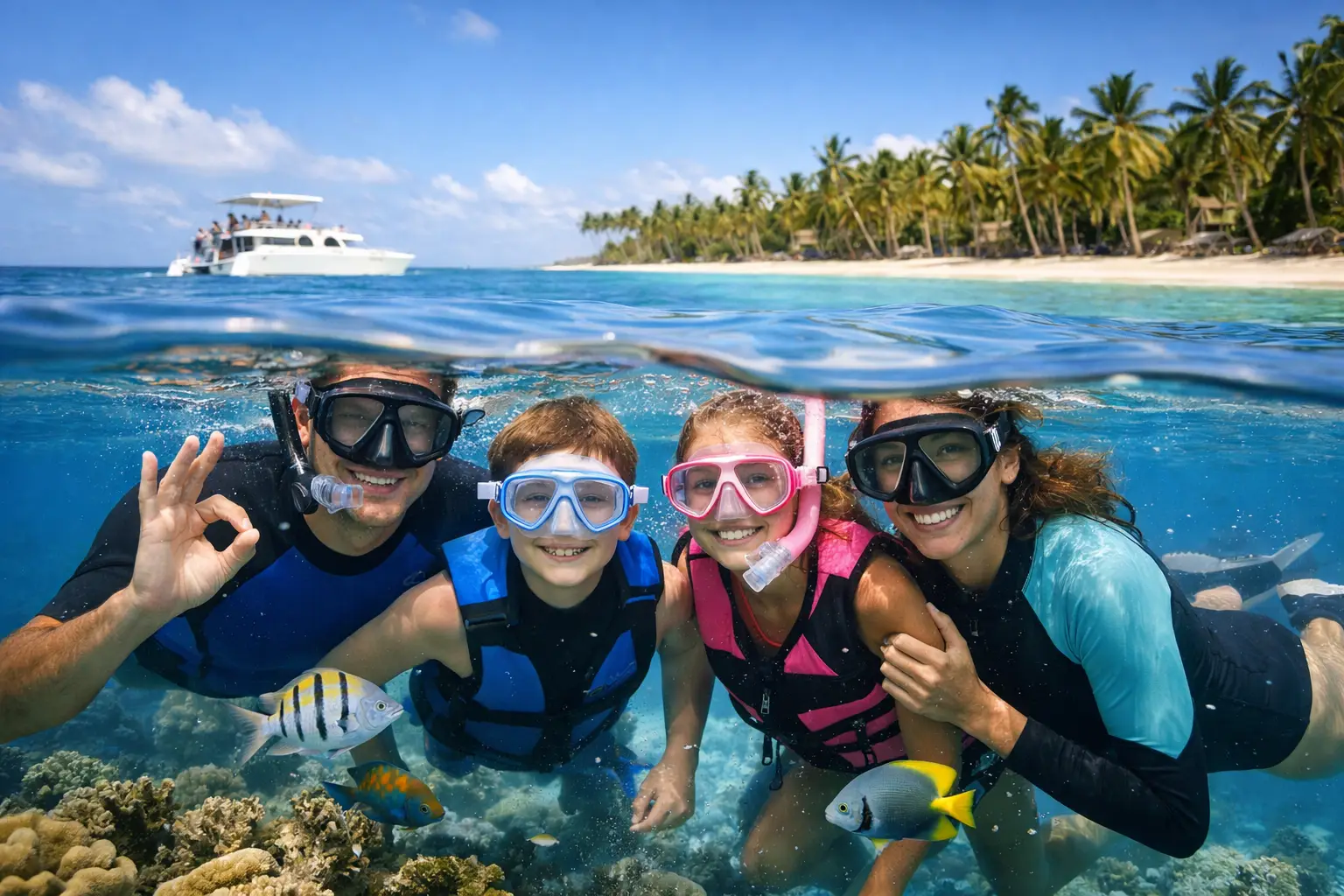
A family vacation rarely gives everyone the same story to bring home. One person wants the beach, another wants action, and someone is usually nervous about trying something unfamiliar. The the best family diving experiences solve that tension by making the Caribbean feel accessible without treating your family like just another group on a crowded boat.
In Punta Cana and Bávaro, the best family dive day is not necessarily the deepest site or the busiest excursion. It is the one where each person feels seen: a child gets patient guidance, a first-time adult has room to breathe, and certified divers still encounter the color, movement, and wild character of the Caribbean Deep. That requires thoughtful planning, qualified PADI professionals, well-maintained equipment, and small groups that can move at a family’s pace.
What makes the the best family diving experiences?
A good family dive experience begins before anyone enters the water. The team should ask about ages, swimming confidence, medical considerations, certifications, and what each person hopes to see. A family with an 8-year-old is planning a very different day from a family of certified divers traveling with teenagers, even when both want an ocean adventure.
Small groups make the decisive difference. In a group capped at four divers, an instructor can repeat a skill without rushing, help a nervous guest adjust their mask, and point out marine life instead of simply leading everyone from one checkpoint to the next. Parents can relax because safety is not being diluted by the demands of a large excursion.
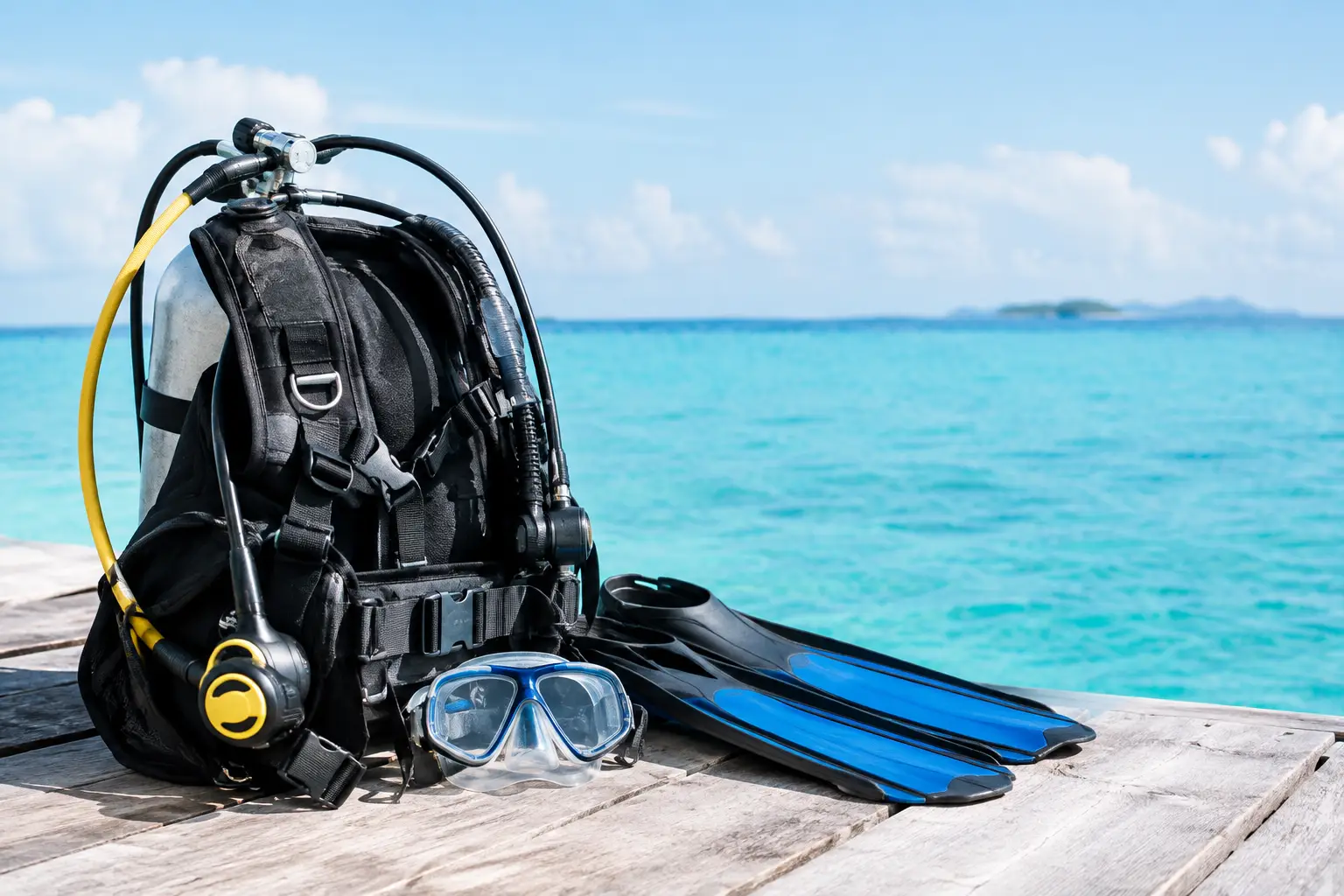
Logistics matter, too. Vacation time is valuable. Included transportation from Bávaro, complete equipment, clear meeting details, and responsive communication remove the small stresses that can make an ambitious activity feel complicated. The goal is simple: your family arrives ready to enjoy the water, not to solve a series of travel problems.
Start with the right experience for every age
Not every family member needs to do the same activity for the day to feel included. The strongest family plans respect experience levels rather than forcing everyone into an identical itinerary.
For children: a first encounter with the underwater world
PADI Bubblemaker is designed for children from age 8 who are curious about scuba and ready for a closely supervised introduction. It takes place in controlled, shallow conditions and focuses on comfort, breathing, and fun rather than performance. For many children, the moment they realize they can breathe underwater becomes the highlight of the trip.
Parents should avoid framing it as a test. A child who chooses to pause, stay shallow, or spend extra time getting used to the mask is having a successful experience. A calm instructor and an unhurried environment create confidence that can last far beyond a single vacation.
For first-time adult divers: confidence before depth
Many parents arrive with a quiet concern: “What if I panic?” That is a reasonable question, and a quality introductory dive treats it seriously. Before entering open water, beginners should receive a clear briefing, learn the essential skills, and have time to practice them under direct supervision.
The best conditions for a first dive are usually not dramatic walls or advanced wrecks. A protected reef with good visibility, manageable depth, and abundant fish offers far more value. Parrotfish, schools of blue tangs, coral formations, and the surprise of a ray moving across the sand can feel extraordinary when it is your first time underwater.
For certified divers: choose the site, not just the schedule
If some family members are certified, Punta Cana and the Dominican Republic offer more than a beginner itinerary. Reef dives can suit mixed groups, while private planning may open the possibility of more ambitious sites when certification, weather, and current conditions align.
Peñón Reef can deliver bright reef scenery and satisfying exploration. The St. George Wreck and Atlantic Princess appeal to divers who enjoy the atmosphere of a sunken vessel, but these sites are not automatically right for every diver or every sea state. Shark Point, walls, caves, cenotes, and deeper destinations should be selected for experience and conditions, never simply because they sound exciting.
That distinction is what makes an adventure safe. The most memorable dive is one that feels exhilarating while still being within each diver’s training, comfort, and limits.
Pick a family-friendly day, not a generic package
Families often compare dive trips by price or by the number of sites listed. Those details matter, but they do not tell the full story. Ask how many guests will be with the instructor, whether gear is included, what transportation is arranged, and what happens if someone in the family decides they are not comfortable continuing.
A personal operation can adapt more easily than a high-volume boat. It can take longer during equipment fitting, select a gentler route when needed, and give a teenager who is fascinated by marine life extra time to observe rather than hurrying to keep a strict crowd schedule. Scuba & Chill builds its guided experiences around groups of up to four people for exactly this reason.
Private excursions are especially valuable when the family wants privacy, flexible pacing, or a more complete day beyond the dive itself. A trip toward Isla Saona or another quieter stretch of coast can turn the outing into a shared Caribbean escape. Still, privacy does not remove the need for good judgment: ocean conditions, individual readiness, and the day’s dive plan always come first.
A few practical decisions make a big difference
Book with enough time to communicate ages and certifications in advance. If anyone has a health condition, takes regular medication, has ear or sinus trouble, or is pregnant, discuss suitability before the activity rather than on the dock. Diving is joyful, but it is also a technical activity with real standards.
Keep the first day light. Do not schedule a major dive immediately after a late night, and give children time for breakfast, sunscreen, and a calm start. Hydration helps, but avoid arriving overly full or exhausted. Families also should not plan to fly after diving without following the recommended surface interval provided by their dive professional.
Bring curiosity, not a long checklist of animals you must see. Marine life is never guaranteed, and that uncertainty is part of its magic. Some days bring turtles, rays, or larger pelagic visitors; other days the best discoveries are tiny: a cleaner shrimp, a camouflaged crab, or the rhythm of a school of fish changing direction over coral.
Safety should feel present, not intimidating
The best dive professionals do not use safety language to make the experience feel restrictive. They use it to create freedom. When an instructor checks equipment carefully, explains hand signals, reviews what to do if separated, and watches the group’s air and comfort, your family can focus on the remarkable part: floating in a living world that operates by entirely different rules.
For parents, it is worth watching how a center communicates. Are answers clear? Do they ask questions about your group? Do they avoid promises that sound too easy or too extreme? Professionalism is often visible in those early exchanges. It shows in the condition of the gear, the quality of the briefing, and the willingness to say that a particular site is not right today.
Turn the dive into a family memory that lasts
The most meaningful part of family scuba is often not the dive itself. It is the conversation afterward. Children describe the fish that looked “like it was wearing pajamas.” First-time divers replay the first breath underwater. Experienced divers compare the reef with places they have explored before. Those moments turn a vacation activity into a shared memory.
Protect that memory by treating the reef with care. Do not touch coral, chase animals, collect shells, or stand on the bottom. Good buoyancy and a respectful distance are not just diving etiquette - they are how families help preserve the Caribbean for the next group of curious kids and returning divers.
Choose an experience that gives every member of your family permission to go at their own pace. Underwater, confidence grows one calm breath at a time, and the Caribbean has a way of rewarding patience with something unforgettable.
Want to dive in the Dominican Republic?
Tell us your level, dates and what kind of experience you want. We will help you choose a dive, course or excursion.
Talk on WhatsApp