Do I need to know how to swim to dive? A Beginner’s Answer
Do I need to know how to swim to dive? Learn what swimming skills Punta Cana diving requires, how beginners start safely, and which experience fits you today.
The question “do I need to know how to swim to dive” is usually asked by someone picturing the Caribbean from the beach: clear blue water, a mask, colorful fish - and a quiet worry about whether their swimming is good enough. The honest answer is encouraging: you do not need to be an expert swimmer to try scuba diving, but you do need to be comfortable in the water and able to follow safety instructions.
For a first guided experience in Punta Cana, the goal is not athletic performance. It is calm breathing, good communication, and having a certified professional close by. For a PADI certification, swimming requirements are different because the course prepares you to dive independently with a buddy.
Do I need to swim to scuba dive?
It depends on the experience you choose.
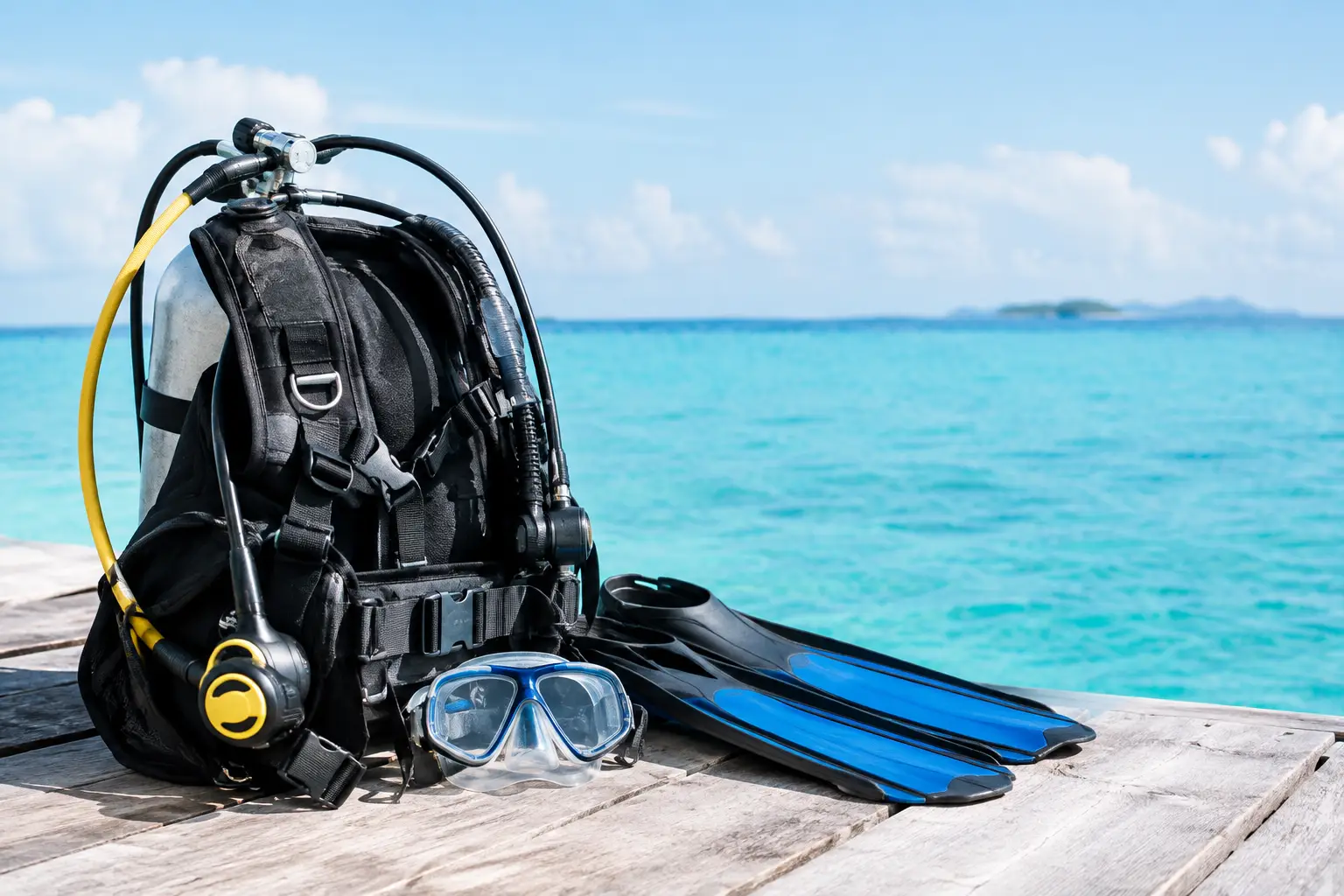
A beginner discovery dive is designed for travelers with no scuba certification and, in many cases, limited swimming confidence. Before entering deeper water, your instructor explains the equipment, shows you how to breathe through the regulator, and practices a few simple skills in shallow water. You remain under direct supervision throughout the dive.
That does not mean you should feel pushed into the ocean if you are anxious. A relaxed attitude in the water matters more than a perfect freestyle stroke. You should be able to keep calm with your face in the water, listen carefully, and let your guide know if you need a pause. Buoyancy equipment helps you float at the surface, and a wetsuit can add even more flotation, but neither replaces basic water comfort.
At Scuba & Chill, small groups of up to four divers make that first descent feel far more personal than a large tour. There is time to adjust your mask, settle your breathing, and move at a pace that feels right for you. The Caribbean should feel exciting, not rushed.
When swimming skills are required
If your plan is to earn a PADI Open Water Diver certification, yes, you will need basic swimming ability. PADI’s standard water skills include a continuous 200-yard swim or 300-yard swim using a mask, fins, and snorkel, plus floating or treading water for 10 minutes.
These are not competitive swimming tests. You can use any stroke, take your time, and focus on staying relaxed. The point is to confirm that you can manage yourself comfortably at the surface, where conditions may change and where you may need to wait for a boat or assist a buddy.
For certified divers, stronger water confidence becomes especially valuable when conditions are more demanding. A calm reef dive near Punta Cana is very different from a deeper wall, a wreck such as St. George, or a site with current. Experience, certification level, weather, and the dive plan should always match. A responsible center will never treat a certification card as a reason to ignore your current comfort level.
You do not need to be a strong swimmer to start
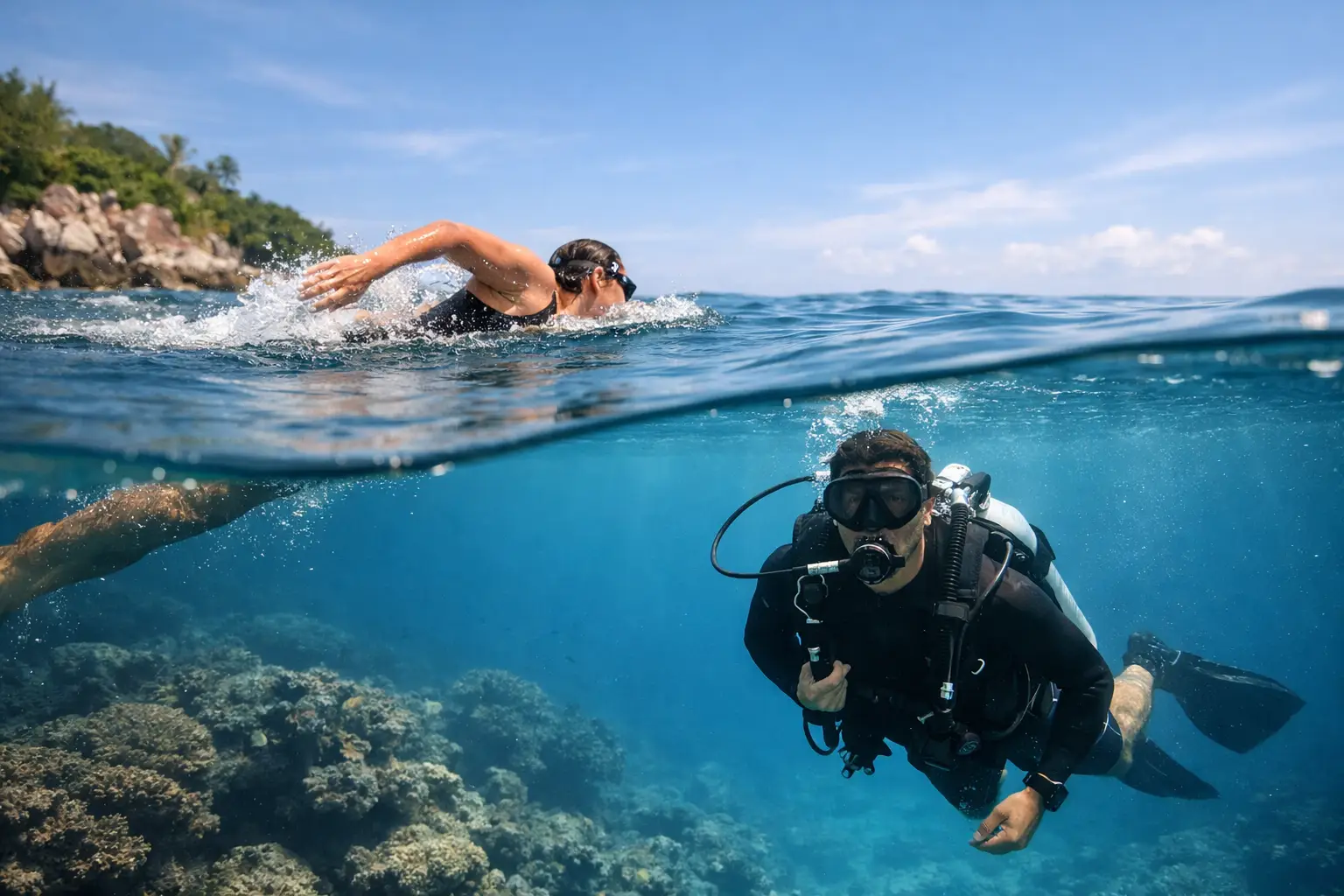
Many first-time divers assume scuba requires the same confidence as lap swimming in a pool. Underwater, the experience is different. You are wearing fins, a buoyancy control device, and a tank. You do not propel yourself with fast arm strokes. Instead, you move slowly with controlled fin kicks while your instructor manages the route, depth, and timing.
Still, there is a meaningful difference between being a weak swimmer and being afraid of the water. If deep water causes panic, tell your instructor before booking. A pool session, snorkeling practice, or a shallow-water introduction may be the better first step. There is no prize for forcing the experience. Building confidence gradually is how many excellent divers begin.
What matters more than your swim speed
The best first dive begins with honest communication. Tell the team if you have not swum in years, if you wear contacts, if you feel nervous putting your face underwater, or if you have a medical condition that could affect diving. These details help your instructor choose the right approach and determine whether you need medical clearance before participating.
Your ability to equalize pressure also matters. As you descend, you will gently clear your ears, much like on an airplane. You should never dive through ear pain. A good guide will descend slowly, check in often, and return to shallower water if equalization is not working.
Breathing is another major adjustment. The first few breaths through a regulator can feel unusual, even for confident swimmers. Once you realize that each slow breath is steady and available, the underwater world becomes much quieter. Looking at a coral garden, a school of blue tangs, or a curious trumpetfish is easier when you are not trying to keep up with a crowd.
How to prepare if you are not confident in the water
You do not need a dramatic training plan before your vacation. A few practical steps can make a real difference.
First, spend time in a pool before your trip if possible. Practice floating on your back, exhaling with your face in the water, and kicking gently while holding a board. The purpose is familiarity, not speed. Even two or three short sessions can reduce the uncertainty that makes beginners tense.
Second, choose a discovery experience rather than booking an advanced site because it looks impressive in photos. Reefs with calm conditions and manageable depths are ideal for learning how diving feels. Shark Point, walls, wrecks, caves, and cenotes can be extraordinary adventures, but the right timing depends on your training and comfort.
Third, avoid arriving dehydrated, exhausted, or after a heavy night of drinking. Drink water, eat a light meal, and allow enough time before your activity. Diving asks you to be present and responsive, not merely adventurous.
Finally, listen during the briefing. Hand signals, mask-clearing techniques, and the rule of never holding your breath are simple, but they are fundamental. Ask every question you have before entering the water. A professional instructor would rather explain something twice than have you worry silently underwater.
Can children dive if they cannot swim well?
Children can enjoy age-appropriate underwater programs, but the decision should be based on maturity, comfort, and the specific program’s requirements - not only age. PADI Bubblemaker experiences introduce children from age eight to scuba equipment in very shallow, closely supervised water. It is not the same as an open-water dive, and it should never be treated as babysitting.
Parents should be candid about a child’s reaction to pools, goggles, and unfamiliar activities. A child who is curious but cautious may thrive with patient instruction. A child who is distressed in water should be given time, not pressure. The best family memories in the Caribbean come from feeling safe enough to enjoy the moment.
A better question than “Do I need to swim to dive?”
Ask yourself: “Can I stay calm, communicate, and trust a guided process in the water?” If the answer is yes, a beginner scuba experience may be within reach even if you are not a confident lap swimmer. If the answer is not yet, snorkeling, a pool lesson, or a shallow introductory session can be a beautiful place to start.
The Caribbean Deep is not reserved for elite athletes. It is for curious travelers who respect the water, choose the right level of adventure, and give themselves permission to learn slowly. Your first glimpse beneath the surface should begin with confidence - one calm breath at a time.
Want to dive in the Dominican Republic?
Tell us your level, dates and what kind of experience you want. We will help you choose a dive, course or excursion.
Talk on WhatsApp