PADI Certification in Punta Cana: Is It Worth It?
Earn your PADI certification in Punta Cana with small groups, expert guidance, and Caribbean waters that make learning feel like a memorable adventure.
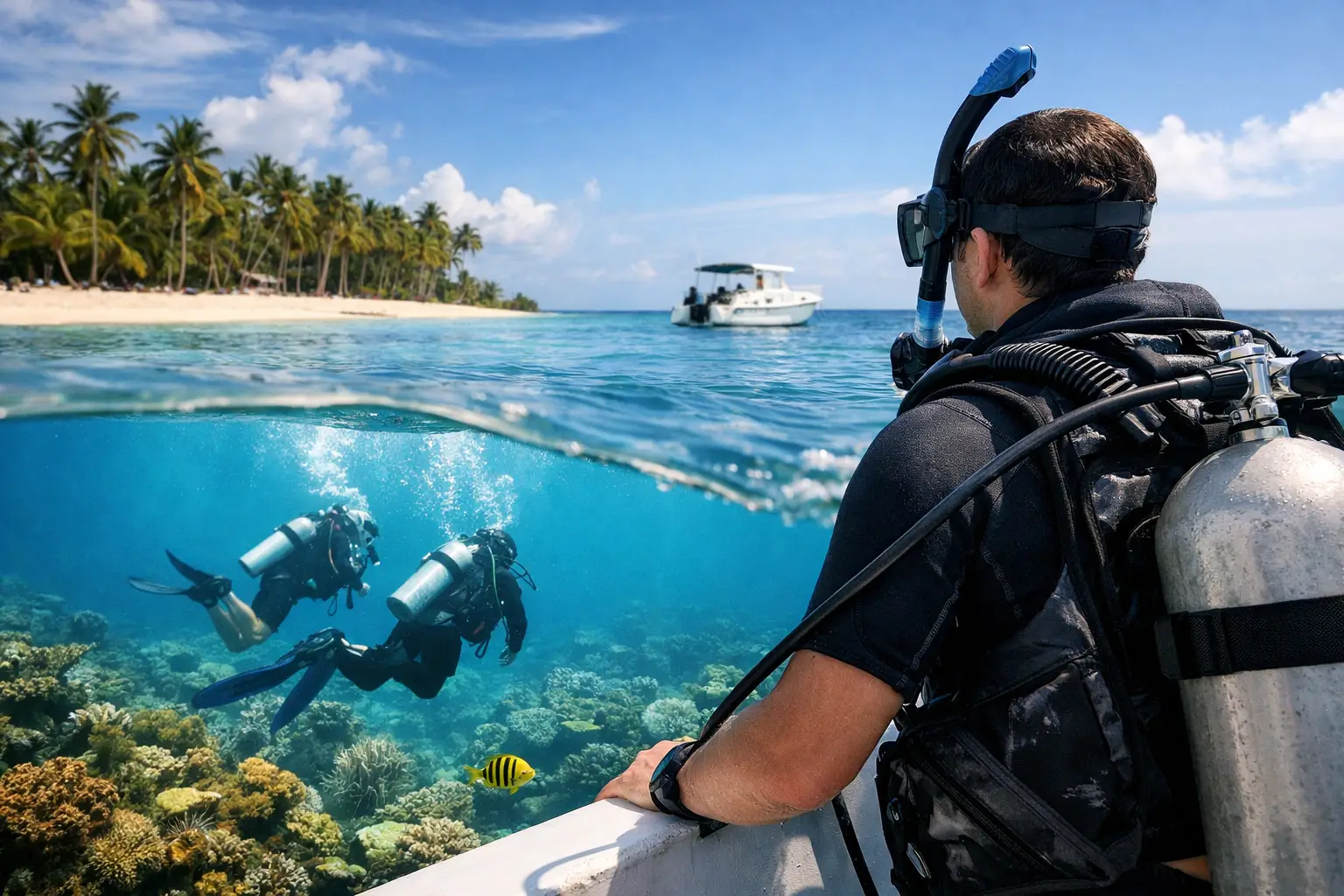
Your first breath underwater changes the way you see the Caribbean. A PADI certification gives you more than a vacation story: it gives you the knowledge, habits, and confidence to explore coral reefs, walls, wrecks, and marine life with a trained buddy long after you leave Punta Cana.
For many travelers, the question is not whether the underwater world is worth seeing. It is whether learning to scuba dive during a trip will feel rushed, intimidating, or complicated. With the right instructor, small groups, and warm, clear conditions, it can become one of the most personal parts of your vacation.
What a PADI Certification Actually Gives You
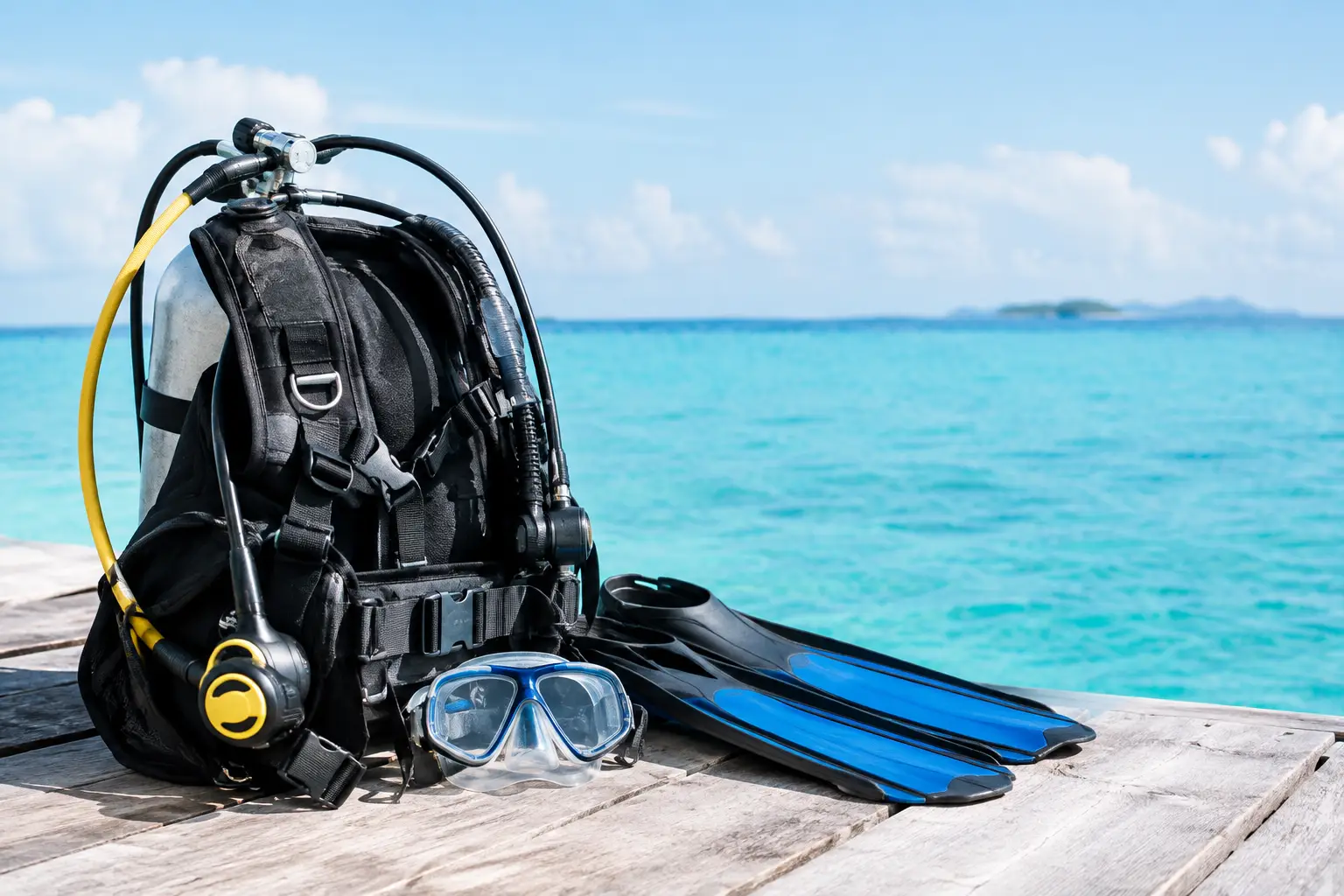
PADI is one of the world’s most recognized scuba training organizations. Its courses teach you how to use diving equipment, manage your buoyancy, communicate underwater, plan a dive, and respond calmly to common situations. The goal is not simply to get a card. It is to become a thoughtful diver who can enjoy the ocean responsibly.
The certification that opens the most doors is the PADI Open Water Diver course. Once earned, it generally allows you to dive with a qualified buddy to a maximum depth of 60 feet, subject to local rules and conditions. That means future trips to destinations such as the Dominican Republic, Mexico, Hawaii, or the Florida Keys can include real scuba diving rather than only snorkeling or a one-time introductory experience.
A certification is different from a discover scuba experience. An introductory dive lets a beginner try scuba under close instructor supervision, usually without becoming certified. It is a great choice if you are curious and short on time. A course asks more of you, but it also gives you lasting skills and access to a much wider range of dives.
Why Punta Cana Is a Smart Place to Learn
Learning new skills is easier when the environment feels welcoming. Punta Cana offers warm water for much of the year, colorful reef life, and conditions that are often comfortable for first-time divers. Instead of spending your first underwater session fighting cold water, you can focus on breathing slowly, finding neutral buoyancy, and noticing the movement of a school of fish over the reef.
The setting matters, but the pace matters even more. Scuba can feel unfamiliar at first because your body is learning a new way to move and communicate. Small groups give instructors time to adjust a mask, repeat a skill, answer a question, and let each diver progress without the pressure of keeping up with a crowded class.
At Scuba & Chill, groups are limited to four divers, creating a more relaxed learning environment for guests who want personal attention rather than a volume-tour approach. Hotel pickup from Bávaro and full equipment also remove some of the practical friction from a vacation schedule, leaving you free to focus on the adventure under the water.
Which PADI Course Fits Your Trip?
The best path depends on your available time, comfort level, and what you hope to do after Punta Cana. There is no need to choose the most advanced course immediately. The right starting point is the one that makes you feel prepared and excited to continue.
For first-time divers: Open Water Diver
The Open Water Diver course is the classic first certification. It combines learning materials, skill practice in confined water, and open-water training dives. Expect to learn practical foundations: how to clear water from your mask, recover a regulator, control your ascent, check your air supply, and maintain good buoyancy around the reef.
Some travelers complete theory before arriving and finish their water training in Punta Cana. Others prefer to do the course in one focused block during their stay. Both approaches can work well. Completing the learning section beforehand can protect more vacation time, while doing everything on location may suit guests who prefer a single guided process.
For certified divers: Continue your training
If you already hold an entry-level certification, continuing education can make the Caribbean feel bigger. The Advanced Open Water Diver course introduces new environments and skills through adventure dives. Depending on local conditions and the course plan, this may include deeper diving, navigation, wreck exploration, or improved buoyancy control.
A Rescue Diver course goes further into prevention, awareness, and helping another diver. It is challenging in a rewarding way and especially valuable for people who want to become more capable dive buddies. For those considering a career in diving, Divemaster is the professional-level training route that develops leadership and practical experience.
For families: Start young, start gently
Children do not need to wait until adulthood to discover the ocean. Bubblemaker experiences are designed for younger participants in shallow, closely supervised conditions. They are not the same as a full certification, but they can be a joyful introduction for families who want to share an ocean experience safely.
Parents should always consider a child’s comfort in water, ability to follow instructions, and genuine interest. A confident swimmer who is excited to learn may have a very different experience than a child who feels pressured to participate.
What You Need Before Starting
You do not need to arrive as an athlete or marine expert. You do need to be comfortable in the water, willing to practice, and able to follow safety procedures carefully. PADI courses include water skills and swimming requirements appropriate to the certification level, and your instructor will explain what is expected before training begins.
A medical questionnaire is part of the process. Some health conditions, medications, recent surgeries, or respiratory concerns may require a physician’s approval before scuba diving. This is not a formality. Diving changes the relationship between your body and pressure, so honest answers protect you and everyone in your group.
Avoid scheduling demanding dives immediately before flying. Your instructor will provide the correct no-fly guidance based on your diving profile, but giving yourself a buffer at the end of the trip is a smart way to keep travel plans relaxed.
How Long Does It Take?
Timing depends on the course and whether you complete academic work in advance. A full Open Water Diver certification commonly takes several days because it includes skill development and multiple open-water dives. It should not be treated like an attraction to squeeze between breakfast and a late-afternoon flight.
That said, good planning makes it very manageable during a Punta Cana stay. Reserve early, share your arrival and departure dates, and tell the dive center if you have already completed part of the course elsewhere. A referral arrangement may allow you to finish qualifying dives while on vacation, provided your previous training documentation is in order.
The trade-off is simple: a faster schedule may be convenient, while a little more time often gives beginners more room to absorb skills and enjoy the process. If you feel nervous, choose the option with more breathing room. Confidence underwater is built through repetition, not rushing.
How to Choose a Dive Center for Your Course
Price matters, but it should not be the only deciding factor. A scuba course is hands-on training in an environment where attention to detail matters. Ask about class size, instructor credentials, equipment maintenance, included materials, transportation, and the conditions where training dives take place.
Pay attention to how the center communicates before you book. Clear answers about timing, requirements, weather, and what is included are a strong sign. So is a willingness to discuss your concerns without making you feel inexperienced. The best instructors are calm, observant, and patient enough to teach the same skill in a different way when needed.
For returning divers, ask which sites may be available after your course. Punta Cana and the wider Dominican Republic can offer gentle reefs for building confidence as well as more ambitious experiences, including walls, wrecks, and shark points for divers with the correct certification and conditions. A responsible operator will never promise a specific site regardless of weather or experience level.
Your Certification Is the Beginning, Not the Finish
The day you receive your certification may feel like the final goal, but it is really the start of a new kind of travel. Your first few fun dives after training are where basic skills become natural. You begin to notice the small things: the way a parrotfish grazes coral, the quiet rhythm of your own breathing, and the moment buoyancy stops feeling like a task and starts feeling like floating.
Keep your first dives easy, stay within your training limits, and choose guides who value the reef as much as the thrill of reaching it. The Caribbean has plenty to reveal when you take the time to see it well.
Want to dive in the Dominican Republic?
Tell us your level, dates and what kind of experience you want. We will help you choose a dive, course or excursion.
Talk on WhatsApp