PADI Courses Bavaro for Caribbean Divers
PADI courses Bavaro offer small-group training, certified instructors, full equipment, and hotel pickup for a confident Caribbean underwater experience.
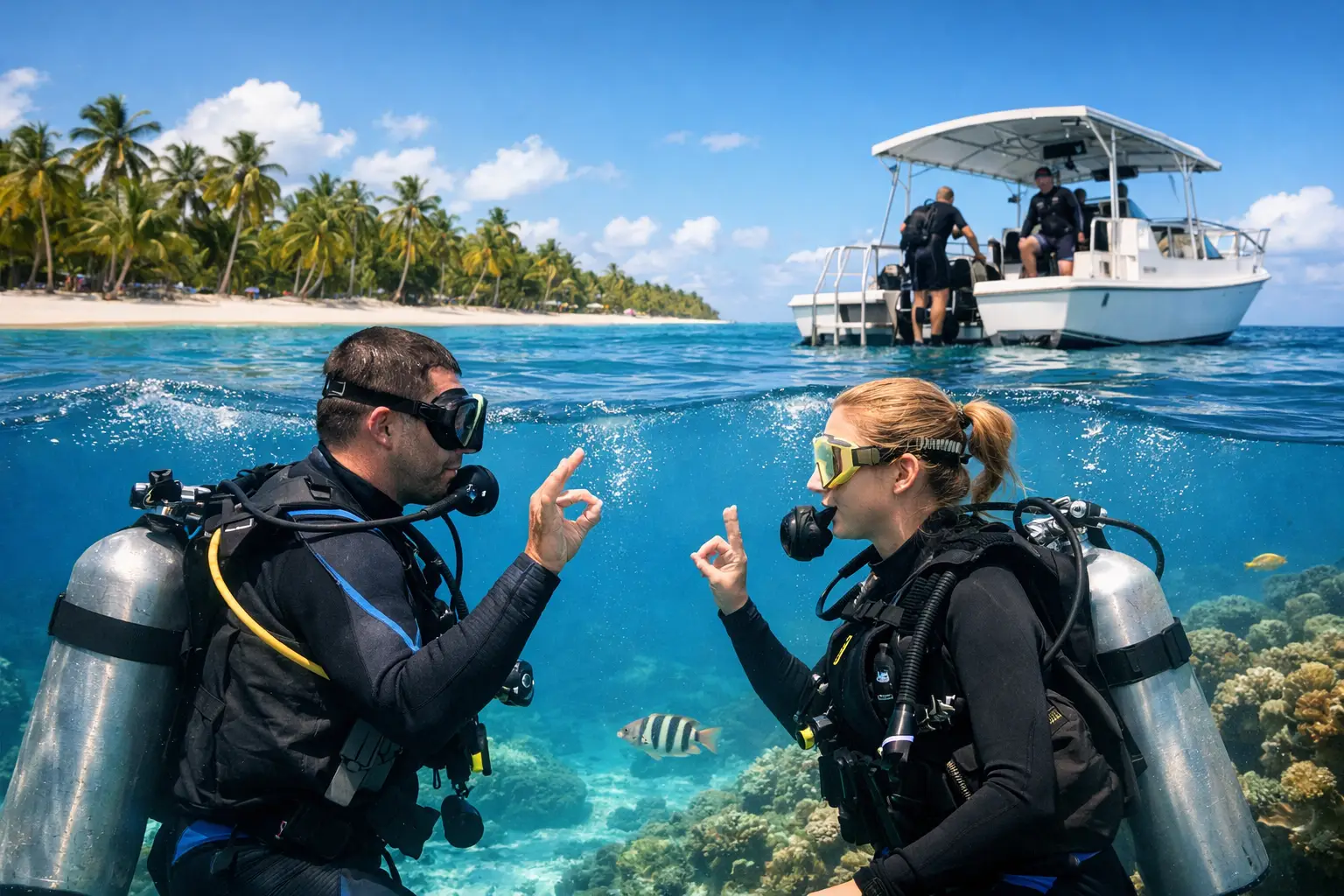
The first breath underwater changes the rhythm of a vacation. The surface noise fades, coral takes on impossible shades of color, and a school of tropical fish moves past as if it has somewhere important to be. With PADI courses Bavaro, that moment is not reserved for experienced divers. It can be the beginning of your own Caribbean adventure, taught at a pace that feels safe, personal, and genuinely exciting.
Bavaro and Punta Cana are known for beaches, but the Caribbean below the waves deserves just as much attention. Learning here means warm water, vivid reef life, and the support of an instructor who understands that a first-time diver may arrive with equal parts curiosity and nerves. The right course does more than issue a certification. It gives you the confidence to enjoy the Caribbean Deep with calm, awareness, and respect for the sea.
Why Take a PADI Course in Bavaro?
A PADI certification is recognized around the world, but where and how you earn it matters. A busy vacation schedule, unfamiliar surroundings, and a new technical activity can feel like a lot to manage. That is why a boutique approach makes a real difference.
Small groups allow instructors to notice the details: how comfortably you breathe through a regulator, whether your mask needs a small adjustment, and when you need another moment to practice a skill. Instead of feeling rushed through a checklist, you have room to ask questions and build confidence naturally.
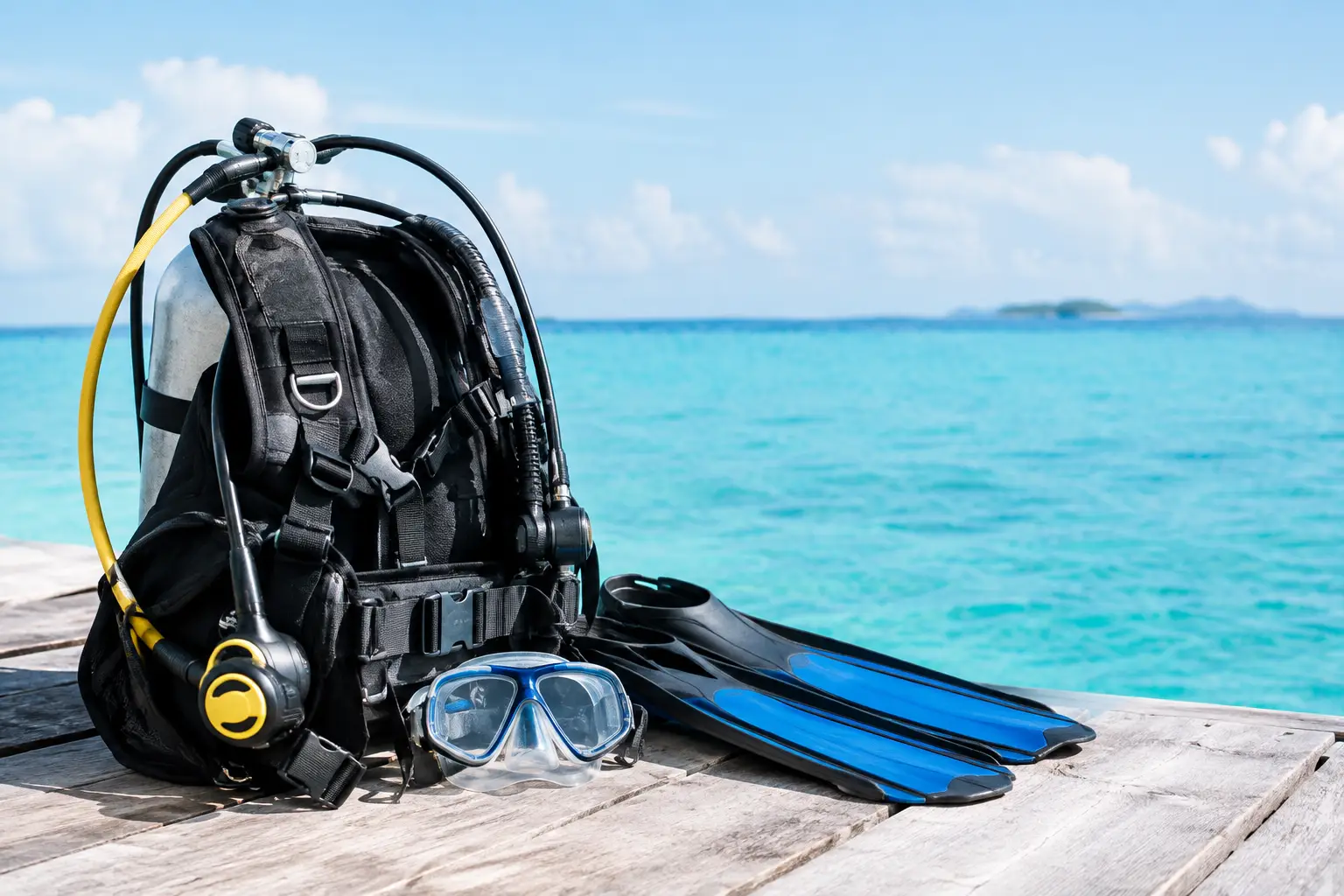
Bavaro also removes many of the obstacles that keep travelers from trying scuba. Warm Caribbean conditions are often more welcoming than cold-water training destinations, and convenient transportation from the Bavaro area means less time organizing logistics and more time preparing for the experience. Full equipment, maintained in excellent condition and fitted correctly, is equally important. Comfort underwater begins before you enter the water.
At Scuba & Chill, groups are limited to four divers, creating the kind of attention that benefits beginners and continuing students alike. It is a more relaxed way to learn, particularly for couples, families, and travelers who do not want their first underwater experience to feel like a crowded tour.
Which PADI Course Fits Your Vacation?
The best choice depends on your experience, available time, and what you hope to do after this trip. Some visitors want a memorable first encounter with the reef. Others want a certification that lets them plan future dives anywhere in the world. Both are worthwhile goals, but they are different experiences.
Bubblemaker for young ocean explorers
For children who are fascinated by the sea, Bubblemaker offers a carefully supervised introduction to breathing underwater in shallow water. It is not a full certification course, and that is exactly the point. It gives young participants a playful, age-appropriate way to experience scuba while parents can feel reassured by close professional supervision.
Discover Scuba Diving for first-time adults
If you have never dived before and want to see whether scuba is for you, a beginner experience can be the ideal start. You learn the essentials, practice key skills in controlled conditions, and explore underwater with a certified professional by your side.
This option is especially good for travelers with limited vacation time or those who are not yet ready to commit to a full certification. It is also a smart choice if you are curious but nervous. You do not need to arrive as a strong swimmer or an adventure expert. You do need to be comfortable in the water, willing to listen, and ready to take the experience one breath at a time.
Open Water Diver for lasting freedom
The PADI Open Water Diver course is the path for people who want to become certified divers. It combines knowledge development, confined-water skill practice, and open-water dives where you apply what you have learned under instructor supervision.
The reward is bigger than a vacation memory. Once certified, you can plan recreational dives at destinations around the world within the limits of your training. For many travelers, this is the course that turns a one-time idea into a lifelong passion.
It does require more time and focus than a single introductory session. If your itinerary is packed with excursions every day, plan your course dates carefully. Giving yourself enough space to rest, learn, and enjoy the process will make the experience far better.
Continuing education for certified divers
Already certified? Bavaro is an excellent place to progress. Advanced-level training, specialty courses, rescue-focused development, and professional-level preparation can help you sharpen skills while exploring more of what the Dominican Republic has underwater.
The right next step depends on your logbook and goals. A diver interested in wrecks may want different experience than someone drawn to deep reefs, marine life, or improving buoyancy. A thoughtful instructor will help you choose training that supports the dives you actually want to make, rather than pushing a course that does not fit your plans.
What Training Feels Like Underwater
Many people imagine scuba training as a test. In reality, good instruction feels more like guided preparation for an environment that operates by different rules. You learn how to breathe slowly and continuously, equalize pressure in your ears, clear a mask, recover a regulator, and communicate with hand signals. These are practical skills, but they become reassuring habits through repetition.
The goal is never to rush past discomfort. If you need time with one skill, a professional instructor should help you work through it patiently. Some students feel completely at ease from their first breath. Others need a little longer to settle into the sensation of water around their face. Both reactions are normal.
Buoyancy is often the skill that transforms a new diver’s experience. When you learn to hover without touching the reef or kicking up sand, the underwater world becomes quieter and more beautiful. You also become a more responsible visitor. Healthy coral is fragile, and controlled movement helps protect the marine environment that brought you underwater in the first place.
Safety Is Part of the Adventure
The most memorable dives feel relaxed because the preparation is serious. Before every water session, expect a clear briefing, equipment checks, and a conversation about conditions, communication, and the plan for the dive. PADI standards provide a strong framework, while experienced local instructors add judgment based on weather, currents, visibility, and each student’s comfort level.
Be honest about your health, swimming ability, medications, and concerns. This is not the moment to pretend you are more comfortable than you are. Good instructors appreciate direct communication because it helps them support you properly. If conditions are not right for your experience level, changing the plan is good decision-making, not a missed adventure.
After diving, follow recommended waiting periods before flying. This matters in a destination where many visitors are balancing scuba plans with return flights. Your instructor can explain the guidance based on the type and number of dives you complete.
From Training to the Caribbean Deep
A course in Bavaro can lead to far more than a certification card. As your skills grow, so do your options: colorful local reefs, dramatic walls, historic wrecks such as St. George, and memorable excursions toward Isla Catalina or Isla Saona. Experienced divers can seek out deeper profiles and more challenging sites, while newer certified divers can continue building comfort in conditions suited to their level.
The Caribbean is not a backdrop to rush through. Look closely and you may notice the small life that makes a reef feel alive: juvenile fish tucked into coral branches, arrow crabs, sea fans moving with the current, and parrotfish working patiently across the reef. An instructor with marine-science knowledge can add another layer to the experience, turning a beautiful dive into a clearer understanding of what you are seeing.
Planning Your Course Around Your Trip
Reserve early if you are traveling during a busy season, especially if you want private attention, specific dates, or a course that takes multiple days. Choose a schedule that leaves room for your training and avoid placing scuba immediately before a flight.
Bring swimwear, a towel, sunscreen suitable for marine environments, and a sense of curiosity. Your center should provide the technical equipment and explain anything else you need before the course begins. If you wear prescription lenses, mention it in advance so options can be discussed.
Most of all, choose the level that feels right for you. A short beginner experience can be exactly the right first step. A full Open Water course can be the start of years spent exploring reefs, wrecks, and coastlines around the world. The best underwater adventure is not the fastest one - it is the one that leaves you calm, capable, and eager for the next descent.
When the boat turns back toward shore and you realize you have been breathing comfortably beneath the Caribbean for the first time, you may find that the ocean no longer feels like something to admire only from the beach.
Want to dive in the Dominican Republic?
Tell us your level, dates and what kind of experience you want. We will help you choose a dive, course or excursion.
Talk on WhatsApp