Which PADI Specialties Fit Your Punta Cana Trip?
PADI specialties help turn a Punta Cana dive trip into real skill. Learn which courses fit your goals, schedule, and favorite Caribbean dives with confidence.
A reef can be beautiful on your first dive. But when you can hold a steady position beside it, recognize the life living on it, manage your gas with confidence, and explore within the limits of your training, it becomes far more memorable. That is where PADI specialties earn their place in a Punta Cana vacation.
These focused courses are not about collecting certification cards for the sake of it. The right specialty gives you a useful skill, a new perspective, or access to a type of diving that genuinely excites you. For some travelers, that means improving buoyancy before a private reef excursion. For others, it means preparing to explore a historic wreck or extending no-decompression time with enriched air.
The best choice depends on your experience, the dives you want to make, and how much of your vacation you want to devote to training. A good instructor will help you match the course to the conditions, rather than pushing the same program on every diver.
What Are PADI Specialties?
PADI Specialty courses are short, targeted training programs built around one area of scuba diving. They combine knowledge development with practical skills, usually in open water. Some can be completed over a day or two, while others require more dives and more time.
They are especially appealing during a Caribbean trip because they add purpose to dives you already want to do. Instead of simply visiting the reef, you might practice controlled ascents, improve trim, identify marine species, or learn the planning considerations behind deeper profiles. The result is not just a certification. It is greater comfort and better judgment underwater.
For certified divers, specialties can also count toward the PADI Master Scuba Diver rating when combined with other requirements. That long-term goal is valuable, but it should not be the only reason to choose a course. Pick training that makes your next dives safer, calmer, and more rewarding.
The Best PADI Specialties for Caribbean Diving
Peak Performance Buoyancy for better control
If you have ever felt that you were working harder than everyone else to stay level, this is often the smartest place to start. Peak Performance Buoyancy focuses on weighting, body position, fin technique, and precise control of your depth.
It is useful for almost every kind of diver, from a newly certified guest to someone with dozens of logged dives. Better buoyancy means less contact with the reef, reduced air consumption for many divers, and more relaxed photography. It also makes wall dives, wreck approaches, and coral gardens more enjoyable because you are no longer fighting to stay in position.
This specialty is not as dramatic as a shark or wreck course, but it may have the biggest impact on every dive that follows.
Enriched Air Diver for more flexibility
Enriched Air Nitrox is one of the most practical PADI specialties for divers planning several dives over consecutive vacation days. By using a breathing gas with a higher percentage of oxygen than standard air, properly trained divers can extend their no-decompression limits at certain depths.
That can be helpful on repetitive reef dives, especially when you want to spend more time enjoying a depth range rather than ending a dive early because of nitrogen limits. It does not mean you can dive deeper, ignore your computer, or skip careful planning. Oxygen exposure limits and gas analysis become part of the discipline.
For many experienced vacation divers, Nitrox is a convenient tool. For a diver doing only one or two shallow dives, its benefits may be less meaningful. Your itinerary matters.
Wreck Diver for a closer look at history
A wreck changes the atmosphere of a dive. It may be a former ship resting in blue water, a structure now covered in coral, or a home for schools of fish that would be difficult to see elsewhere. The PADI Wreck Diver Specialty teaches the planning, navigation, buoyancy, and hazard awareness needed to explore wrecks responsibly.
It is particularly relevant if a site such as the St. George Wreck or Atlantic Princess is on your wish list. These dives require more than enthusiasm. Conditions, depth, currents, and your prior experience all influence what is appropriate on the day.
Wreck training does not automatically mean penetration diving. In fact, many exceptional wreck dives remain entirely outside the structure. Learning to assess overhead environments, respect fragile surfaces, and maintain awareness of exits makes you a more thoughtful diver wherever you travel.
Deep Diver when depth is part of the plan
Walls, drop-offs, and some wrecks invite divers to look beyond recreational depths they commonly visit. The Deep Diver Specialty develops the planning and skills needed for deeper recreational diving, including gas management, navigation, emergency procedures, and the effects depth can have on thinking and air consumption.
This is a course for certified divers who are comfortable in the water and want to build experience progressively. It is not a shortcut to chasing the deepest number on a computer. Deep diving offers striking scenery and a different sense of scale, but it also gives you less time and smaller margins for error.
A responsible instructor may recommend buoyancy practice or additional experience before deep training. That is good judgment, not a missed opportunity.
Underwater Naturalist for divers who want context
Caribbean reefs make more sense when you begin noticing relationships instead of just individual fish. An Underwater Naturalist course can help you recognize how reef organisms interact, why certain species appear together, and how changes in habitat affect marine life.
This specialty fits curious divers, families with older teens, and anyone who wants a richer connection with the places they visit. It also pairs naturally with the kind of reef exploration found around Punta Cana, Isla Catalina, and Isla Saona.
The course is not about memorizing every species name. It is about learning to observe more carefully. You may leave the water still talking about a cleaning station, a camouflaged creature, or the surprising behavior of a fish you had overlooked on previous dives.
Choose Training Around Your Real Vacation
The right specialty should fit your travel rhythm. If you have limited time, a course with fewer dives or classroom requirements may be the better choice. If diving is the main reason for your trip, a multi-dive specialty can add real depth to the experience.
Be honest about your comfort level too. A diver who has not been underwater for two years may benefit more from a refresher and buoyancy work than from signing up immediately for a deep or wreck course. There is no prize for rushing. Comfortable divers learn faster and enjoy more of the underwater world around them.
Your goals matter just as much. If you love images of wrecks, choose training that supports responsible wreck exploration. If you are fascinated by the reef itself, naturalist and buoyancy training can transform ordinary-looking dives into absorbing ones. If you expect to dive repeatedly on future trips, enriched air can be a practical investment.
Why Small-Group Training Changes the Experience
Specialty training works best when the instructor can actually watch you. Skills such as hovering, line handling, gas analysis, and emergency planning are not checkboxes. They need feedback, repetition, and enough time to ask questions without feeling rushed.
That is why a small group makes a meaningful difference. With a maximum of four divers, Scuba & Chill can keep the experience personal while maintaining the relaxed pace that vacation divers appreciate. You can focus on your own technique, receive clear guidance, and still enjoy the color, movement, and calm of the Caribbean rather than feeling like part of a production line.
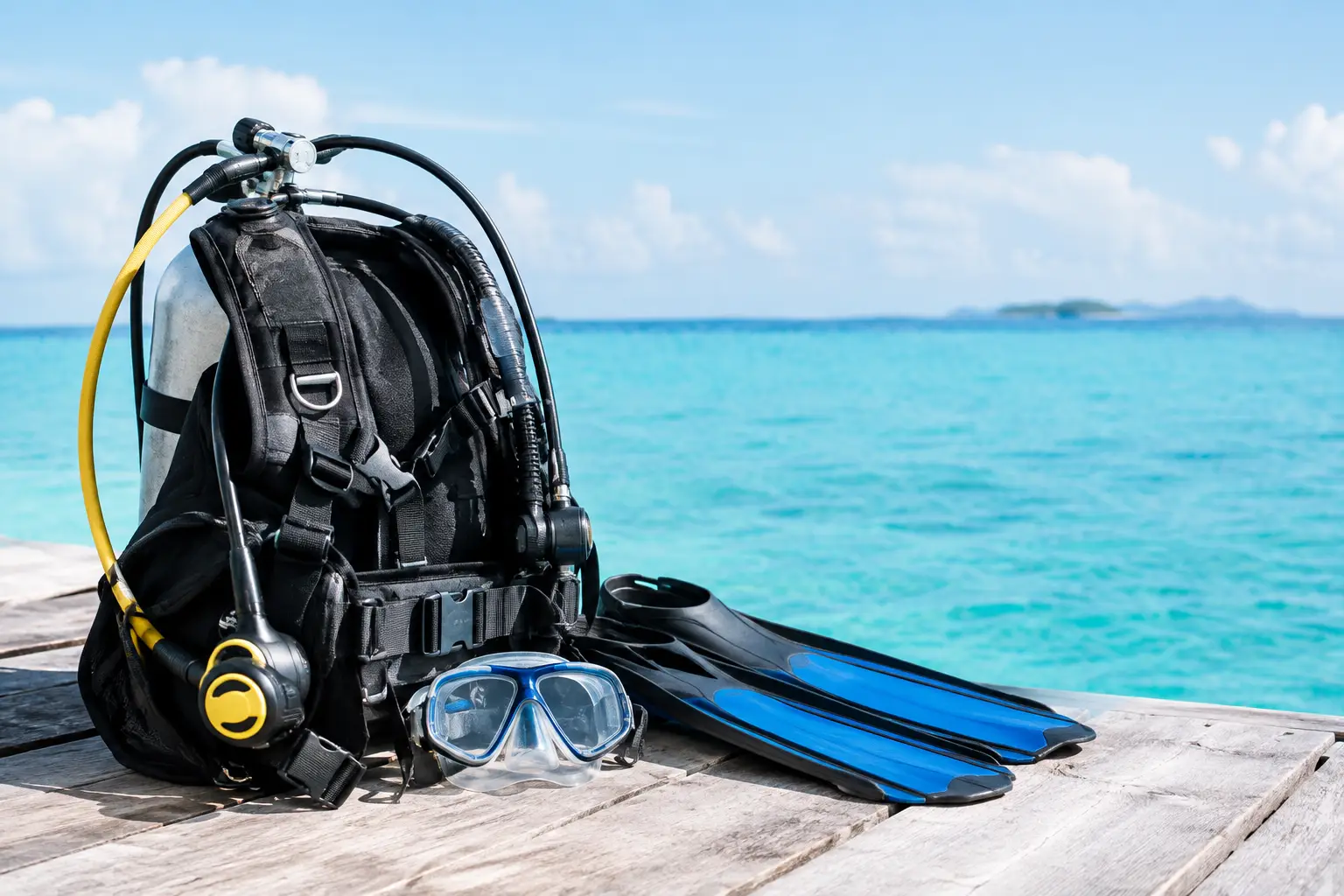
Equipment condition matters as well. Specialty courses often involve more focused use of computers, compasses, reels, or gas-analysis procedures. Arriving with well-maintained equipment and a clear briefing removes unnecessary friction, especially when you are traveling with limited luggage.
Ask These Questions Before You Book
Before choosing a course, ask how many dives are required, what prerequisites apply, and whether the planned dive sites match the specialty. Ask whether eLearning or knowledge development can be completed before arrival, since that may preserve more of your vacation for open-water training.
You should also ask what conditions are likely during your visit. Sea state, current, visibility, and scheduling can shape the order of dives or make an alternative site a better option. Flexible planning is part of safe diving, not a compromise in quality.
Finally, tell the instructor what you want from the experience. Mention the wreck you hope to see, the photography you want to improve, or the hesitation you feel about buoyancy. The best recommendation begins with a conversation, not a sales script.
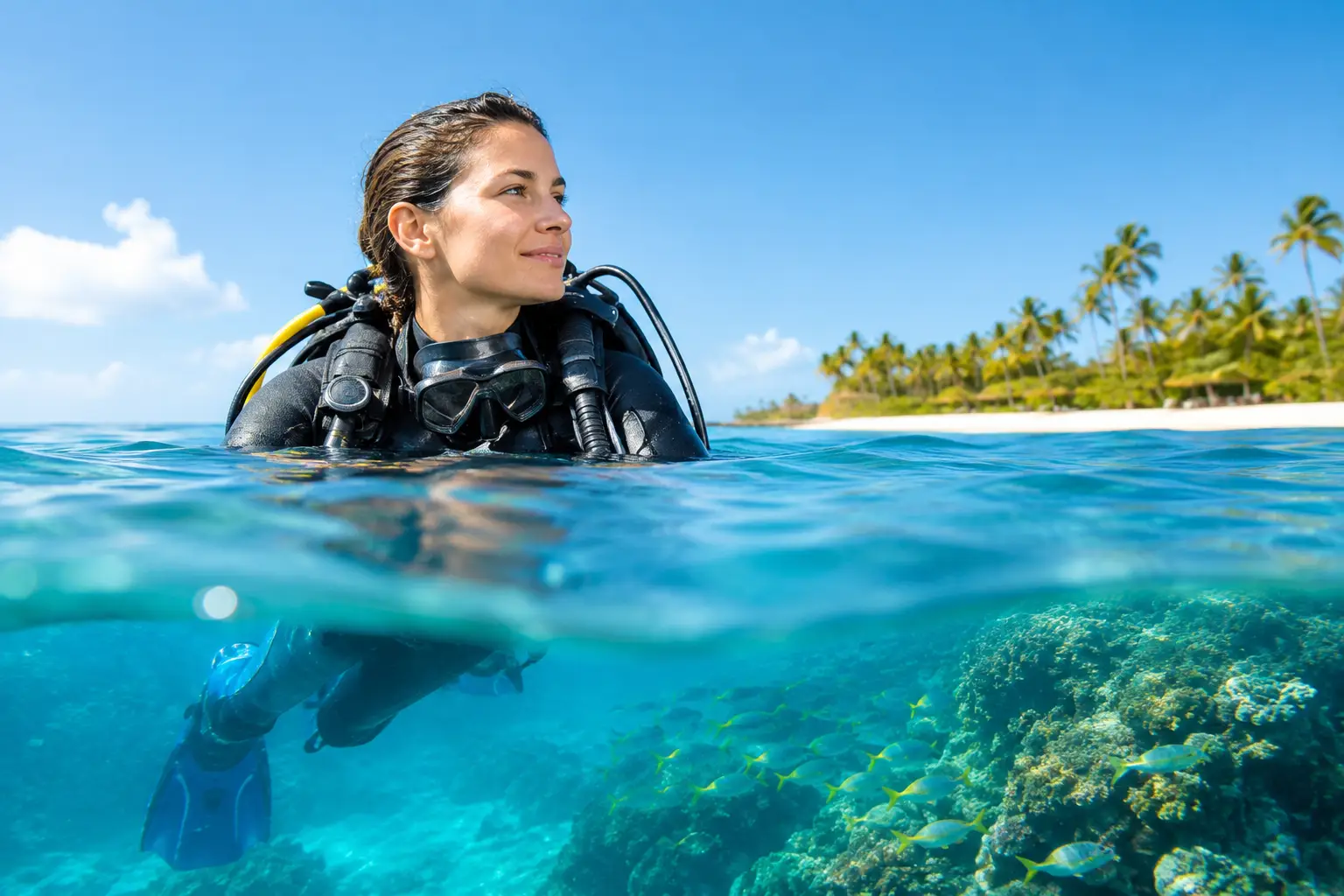
A specialty course should leave you with more than a new line in your logbook. Choose one that makes you pause at the surface, look toward the blue Caribbean water, and feel ready for what comes next.
Want to dive in the Dominican Republic?
Tell us your level, dates and what kind of experience you want. We will help you choose a dive, course or excursion.
Talk on WhatsApp