Resort Diving Versus Dive Centers: Which Fits You?
Resort diving versus dive centers: compare groups, safety, schedules, sites, and service to choose the right Punta Cana underwater adventure for visitors
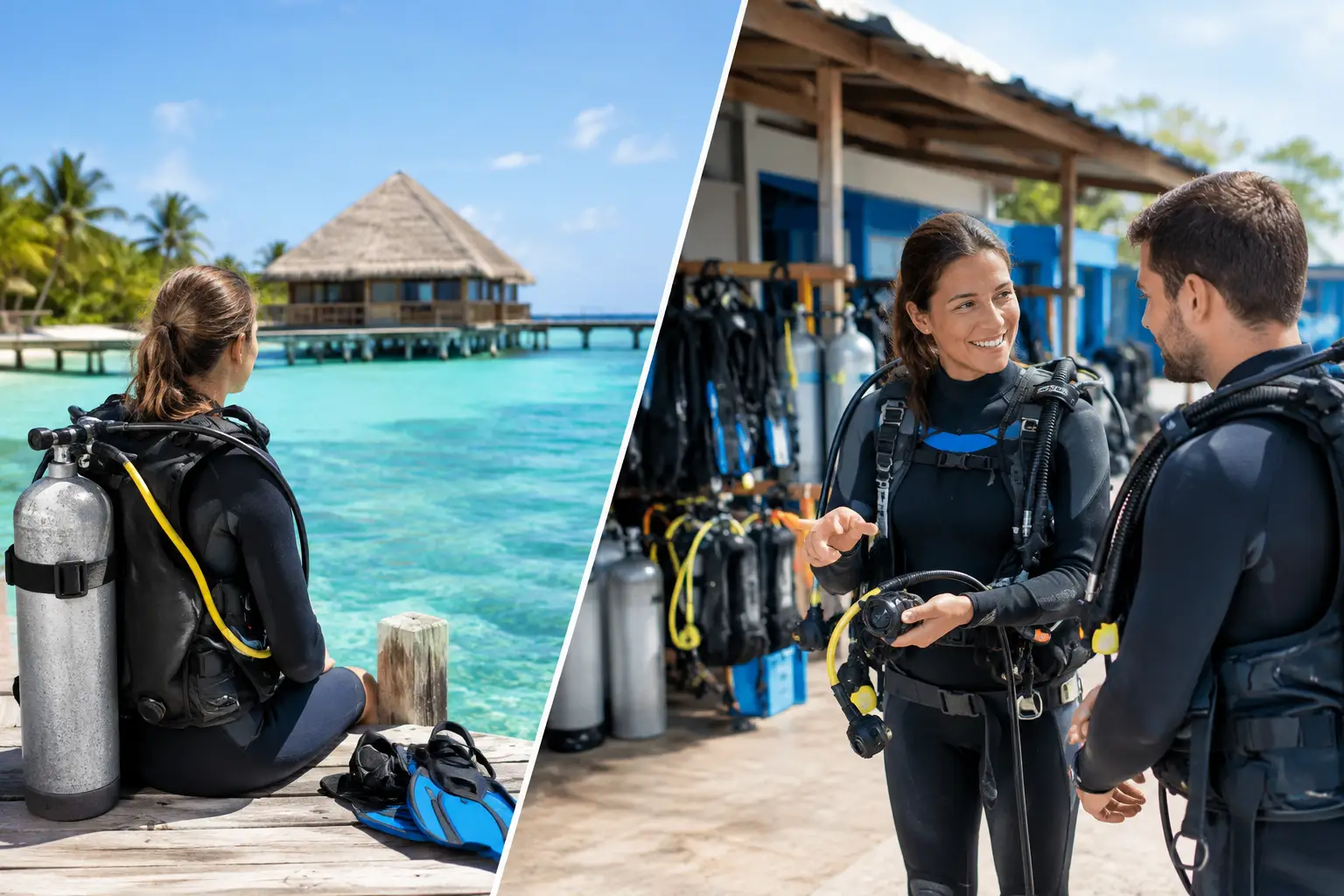
The choice between resort diving versus dive centers can shape far more than your afternoon underwater. It affects who guides you, how many people share the boat, whether the dive plan fits your experience, and how much of the Caribbean you actually get to see. In Punta Cana and Bávaro, the best option is not automatically the one closest to your hotel. It is the one that makes you feel confident, cared for, and excited to descend.
A resort operator can be wonderfully convenient for a first look beneath the surface. An independent dive center can offer greater flexibility, smaller groups, and access to experiences beyond the standard hotel schedule. Neither is universally better. Your ideal choice depends on the kind of vacation story you want to bring home.
Resort diving versus dive centers: the real difference
Resort diving is usually designed around ease. You see a desk near the beach, reserve a time slot, and may be in the water a short walk later. For travelers who want to try a single introductory dive between breakfast and the pool, that simplicity has real value. The resort often handles the immediate logistics, and the activity can feel like a natural extension of the property.
The trade-off is that resort operations commonly work on high-volume schedules. Boats, instructors, and dive times need to serve many guests with different plans. Groups may be larger, routes may stay close to shore, and the day may follow a fixed format rather than your pace. That does not mean the experience is unsafe or poor. It means the operation is often built for efficiency first.
A dedicated dive center is built around diving itself. The team’s day revolves around conditions, certification levels, marine life, and the best sites for each group. That can mean a little more planning before you go, but it may also mean a more personal trip once you are on the boat.
For visitors staying in Bávaro, a dive center that includes transportation can remove the usual inconvenience. You still get picked up, fitted with equipment, and brought back after the dive, without limiting your choice to the operator inside your hotel.
Convenience is not only about location
It is easy to assume that the closest dive shop is the most convenient. Yet convenience starts to look different when you consider the full experience. A rushed briefing, a crowded boat, or a dive site selected only because it is nearby can take away from a day you had been looking forward to all vacation.
A resort desk wins when you want spontaneous, low-commitment access. If you have never tried scuba and simply want an introductory experience near your hotel, it can be a comfortable first step. Ask how many guests will be in your group, how long you will be underwater, and whether an instructor stays directly with you throughout the dive.
A dive center may be more convenient when you want a smoother day from door to water. The strongest operators coordinate pickup times, prepare properly maintained equipment in advance, and explain the plan clearly before departure. Instead of trying to fit the dive around a resort’s activity calendar, the team can fit the day around the sea and your experience level.
That difference matters especially for couples, families, and small private groups. You are not just purchasing time underwater. You are trusting someone with a technical adventure in an unfamiliar place.
Group size changes the entire underwater experience
Underwater, attention is a form of safety. It is also what turns a reef dive from a checklist item into a memory.
In a large group, an instructor must watch more divers at once. The pace is usually set for the group, which can be challenging when some people need extra time equalizing their ears, adjusting buoyancy, or simply relaxing into the experience. New divers may feel hurried. Certified divers may feel limited by a route designed for the broadest possible ability level.
Smaller groups create more room for individual guidance. An instructor can notice when you are holding your breath, drifting too high, or using more air than expected. They can point out a shy trumpetfish in the coral, help you settle your breathing, and adapt the route when conditions allow.
At Scuba & Chill, groups are limited to four divers. For a first-time diver, that can mean reassurance when the ocean feels new. For an experienced diver, it can mean a calmer, more observant visit to the reef, wall, wreck, or shark point. Small groups are not about making diving feel exclusive for its own sake. They give the guide the space to lead well.
Safety is visible before the boat leaves
Every operator should treat safety as non-negotiable, whether it works from a resort or independently. The question is how clearly that commitment shows up in the details.
A professional dive experience begins with questions. A good team asks about your certification, recent diving history, medical considerations, comfort level, and goals for the day. If you are not certified, they explain what an introductory dive includes and what it does not. If you are certified but have not dived in years, they should be comfortable recommending a refresher rather than pretending experience never fades.
Pay attention to the briefing. You should understand the entry and exit plan, maximum depth, expected conditions, hand signals, buddy procedures, air management, and what happens if someone gets separated. Briefings do not need to be intimidating. The best ones are calm, clear, and specific to the site.
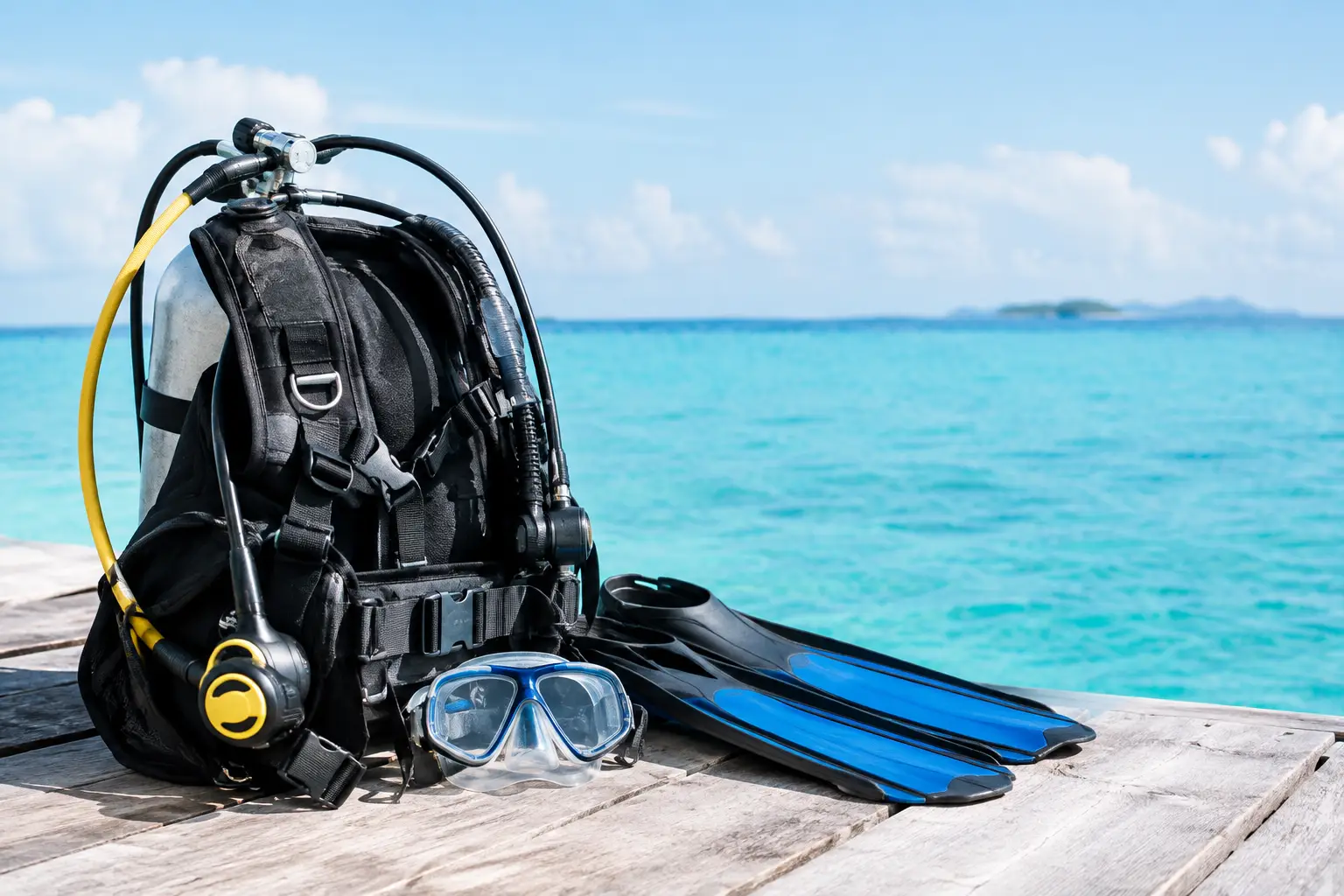
Equipment also tells a story. Masks should seal properly, regulators should feel clean and dependable, and buoyancy devices should fit your body rather than simply be handed over in a hurry. Ask whether equipment is included, whether wetsuits are available if needed, and whether the team will help you find the right fit.
Site access: reef close by or the Caribbean beyond it?
Many resort dives focus on nearby reefs, and there is nothing wrong with that. Shallow coral gardens can be ideal for first-time divers, families, and anyone who wants an easy, colorful introduction. On the right day, even a modest reef can reveal schools of blue tangs, rays moving across sand, and coral life that rewards a slow eye.
But travelers who come to the Dominican Republic for a bigger underwater adventure may want more range. Punta Cana’s surrounding waters can lead to reef formations, deeper walls, historic wrecks, shark encounters, caves, and cenotes, depending on your certification, conditions, and travel plans.
This is where a dive center often has an advantage. Its offering is not tied to the narrow radius of one hotel beach. Ask which sites are available, how travel time works, and whether the operator chooses locations according to weather and diver ability. A responsible answer may sometimes be, “Not today.” That is a sign of sound judgment, not a missed opportunity.
For certified divers, sites such as a wreck or wall demand more than excitement. They require appropriate depth limits, buoyancy control, and a guide who knows the route. For beginners, a protected reef with direct instructor support is usually the better adventure. The best dive is not the deepest or most dramatic one. It is the one that matches your readiness.
Training deserves more than a vacation shortcut
If you are considering a PADI course, look beyond the convenience of completing it at your resort. Certification is the beginning of your life as a diver, not just a souvenir from a trip.
Ask how much time the instructor will have with you, where confined-water skills take place, and how the open-water dives are organized. A course should leave you feeling capable of planning and enjoying future dives, not merely relieved that you passed. Personalized instruction is particularly valuable for people who are nervous in the water, returning after a long break, or progressing toward advanced training.
Families should also ask how programs are adapted for children. A child’s first underwater experience needs patience, clear communication, properly sized gear, and an instructor who understands that confidence comes before depth or distance.
How to choose without overthinking it
Start with the question that matters most: what do you want this day to feel like? If your answer is “easy, close, and spontaneous,” resort diving may be the right match. Confirm the group size, instructor ratio, and exact structure of the experience before booking.
If your answer includes personal attention, a specific dive goal, a private outing, or the chance to explore beyond the resort zone, speak with a dive center. Share your certification level honestly and ask for recommendations based on conditions rather than marketing promises.
Price deserves context too. A lower initial rate may not include transportation, equipment, marine park fees, or the level of guide attention you expect. A higher-priced small-group experience may include the equipment, pickup, and more individualized service that makes the day feel easy from beginning to end. Compare what is included, not only the number on the first line.
The Caribbean is at its best when you can slow down enough to notice it: sunlight moving across a reef, the quiet pause before your first descent, and the moment a guide points to life you would have missed on your own. Choose the team that gives you the confidence to look around, breathe slowly, and enjoy the blue.
Want to dive in the Dominican Republic?
Tell us your level, dates and what kind of experience you want. We will help you choose a dive, course or excursion.
Talk on WhatsApp