Scuba Diving Bayahibe: Is It Worth the Trip?
Plan scuba diving Bayahibe with small groups, clear water, reefs, wrecks, and expert guidance from Punta Cana for a personal Caribbean adventure today.
Bayahibe is where the Dominican Republic shows a quieter, wilder side of the Caribbean. For travelers staying in Punta Cana or Bávaro, scuba diving Bayahibe can mean trading crowded resort beaches for clear water, healthy reef structure, and boat rides toward Catalina and Saona. It is not simply a change of scenery. It is a chance to experience the Caribbean Deep with more space, more attention, and more of the underwater world in view.
The trip is especially rewarding if you want more than a quick resort dive. Bayahibe’s waters offer gentle reef dives for first-timers, dramatic walls for certified divers, and well-known wrecks for those who enjoy a little history beneath the surface. The right experience depends on your certification, comfort in the water, and the day’s conditions - which is exactly why a small, well-guided group makes such a difference.
Why scuba diving in Bayahibe feels different
Bayahibe sits on the Dominican Republic’s southeast coast, facing protected Caribbean waters and the islands of Catalina and Saona. While Punta Cana is celebrated for its beaches and convenience, Bayahibe is often the better launch point for divers seeking visibility, calmer conditions, and a wider variety of marine environments.
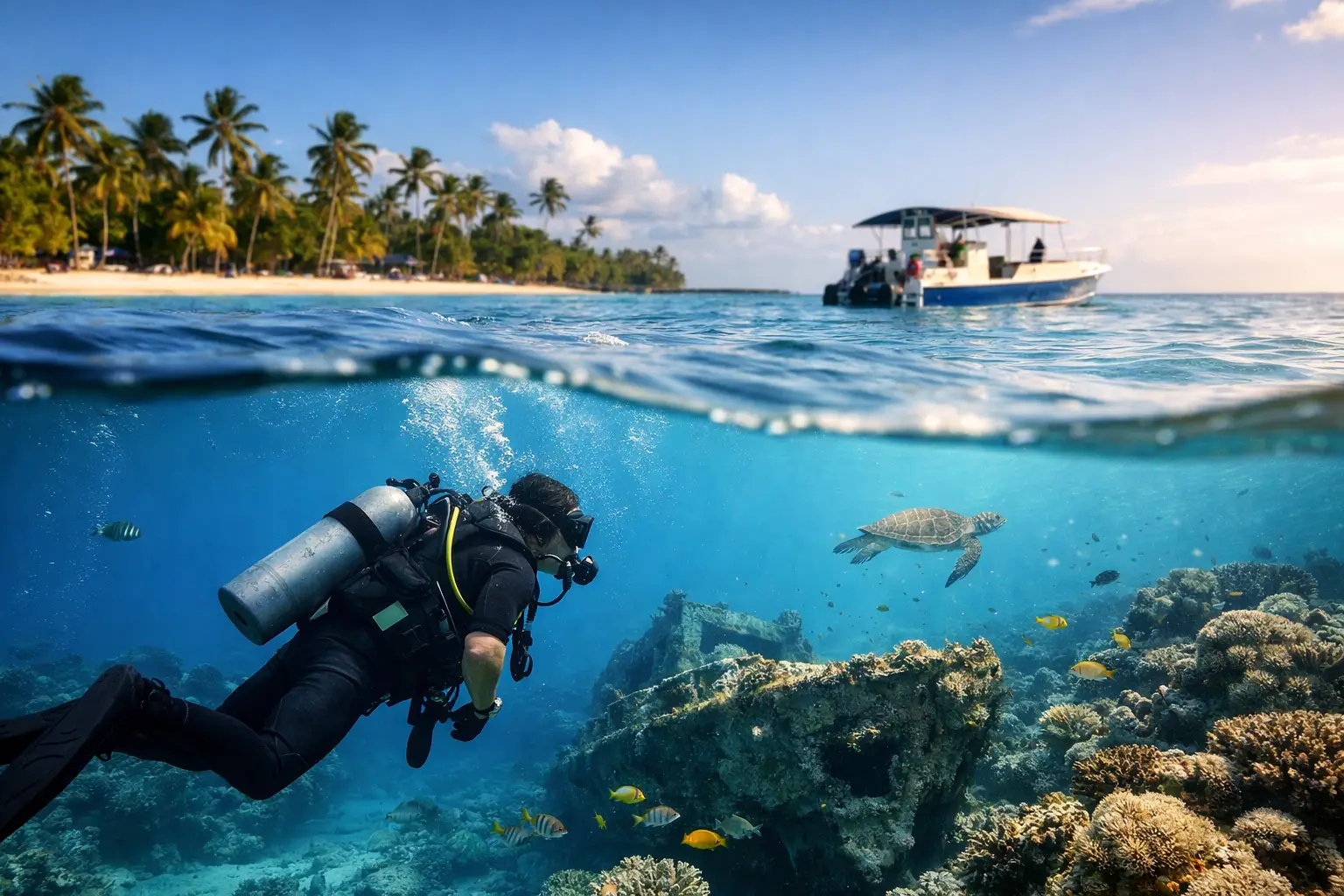
The water can be beautifully clear, with sunlight reaching deep across coral formations and sandy channels. Parrotfish, trumpetfish, grunts, rays, moray eels, and schools of silvery baitfish are regular parts of the scene. On a lucky day, you may also encounter turtles gliding over the reef or larger pelagic visitors passing beyond the blue.
But this is not a promise of identical conditions every day. Wind, current, rainfall, and season all influence visibility and site selection. A professional dive team does not force a schedule just to check a box. They choose the safest, most enjoyable site available for the group that morning.
The underwater experiences worth traveling for
Bayahibe is a strong choice because it gives divers options. You can keep the day relaxed and shallow, or choose a more adventurous profile if your training and experience support it.
Reefs for new and returning divers
Reef diving is often the best introduction to the area. Gentle slopes, coral heads, and open sandy sections make it easier to settle your breathing, practice buoyancy, and begin noticing the smaller life that makes Caribbean diving so rich. These sites work well for Discover Scuba Diving participants, newly certified divers, and anyone returning to the water after time away.
The most memorable reef dives are rarely about chasing a single animal. They are about slowing down enough to see the reef working: a cleaner shrimp at its station, a juvenile fish hiding in soft coral, a ray disappearing over the sand. A guide who knows the site can help you see far more than you would on your own.
Walls and deeper blue water
For certified divers with good buoyancy control, wall diving brings a different kind of thrill. The reef drops away, the water turns a deeper blue, and your perspective changes from looking down at coral to looking out into open space.
Walls demand discipline. Staying close to your buddy, monitoring depth and air, and keeping a comfortable distance from the reef are essential. The reward is a feeling of scale that shallow dives cannot quite match, along with the possibility of seeing larger fish moving along the edge of the drop-off.
Wreck diving with character
Wrecks add a sense of story to a dive day. The St. George Wreck is among the Dominican Republic’s most recognized artificial reefs, attracting experienced divers who want to explore a large sunken structure now claimed by marine life. The Atlantic Princess is another compelling option, with its own distinct shape and atmosphere underwater.
Wreck dives are not automatically advanced, but they require honest planning. Depth, current, visibility, and whether there is any overhead environment all matter. Ask about the planned maximum depth and your guide’s route before you board the boat. A great wreck dive should feel exciting, never rushed or beyond your comfort zone.
Catalina and Saona: the island day appeal
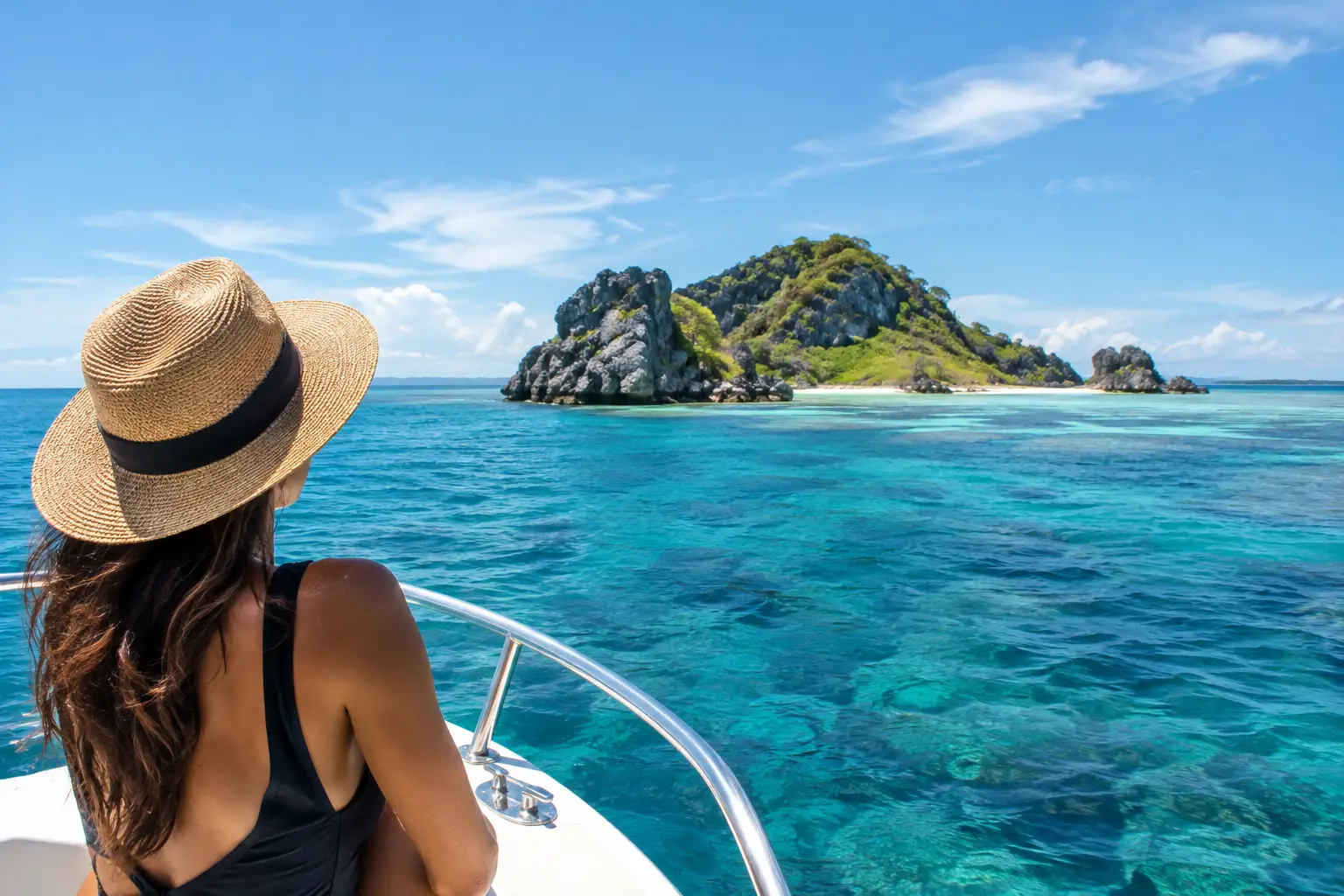
Isla Catalina and Isla Saona are often what make a Bayahibe dive day feel like a true Caribbean escape. The boat journey itself is part of the experience: turquoise water, open horizons, and a welcome distance from the energy of the resort zone.
These trips can be ideal for couples, families with divers of different experience levels, and private groups that want the day to move at their own pace. They also involve more time and logistical planning than a nearby shore or local boat dive. If you are traveling from Bávaro, factor in the land transfer as part of the adventure rather than trying to squeeze it between other plans.
Getting from Punta Cana or Bávaro to Bayahibe
Many visitors assume Bayahibe diving is only practical if they are staying on that side of the island. It does take more planning from Punta Cana, but a coordinated transfer removes the biggest friction: figuring out early transportation, equipment, timing, and where to meet the boat.
For a full day on the water, book it on a day when you do not have an afternoon excursion or dinner reservation you cannot move. Start early, eat a light breakfast, hydrate well, and avoid alcohol the night before. The drive is part of the investment, but it can be worthwhile when the destination gives you access to a different class of dive sites.
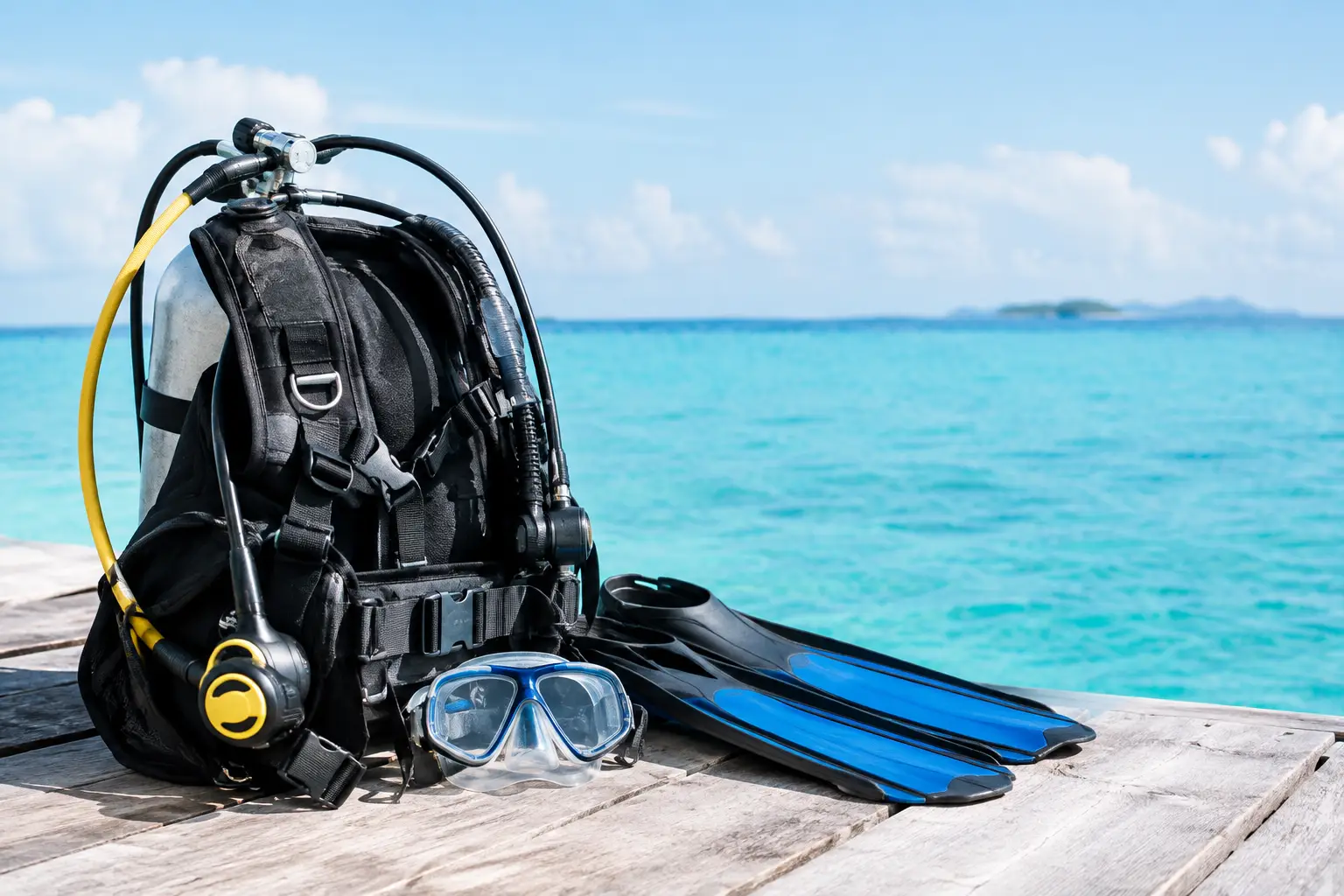
Scuba & Chill approaches these trips with complimentary transportation from Bávaro, complete equipment, and groups capped at four divers. That last detail matters. In a small group, the instructor can adapt the briefing, pace, and underwater attention to the people actually in the water rather than managing a crowd.
What beginners should expect
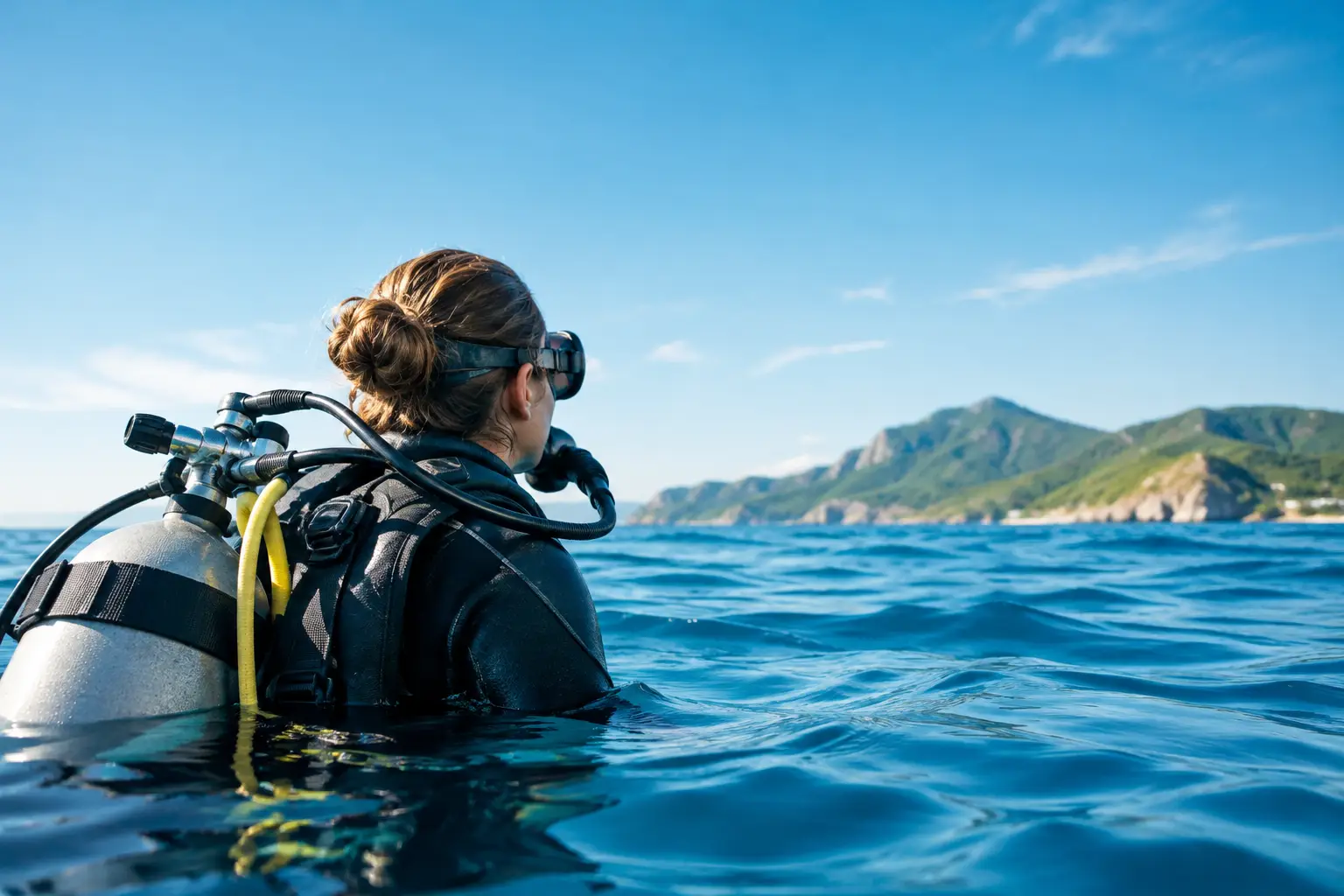
You do not need to arrive as a certified diver to experience the underwater Caribbean. A properly run introductory dive begins with a clear, patient explanation of the equipment and the basic skills you will use. You should have time to practice breathing underwater, clearing your mask, recovering your regulator, and communicating before heading deeper.
Feeling nervous is normal. The important question is not whether you are nervous, but whether you feel heard. Avoid operators who minimize questions or hurry you into the water. A certified instructor should explain what will happen next, stay close, and make it clear that you can stop at any point.
Children can also have an age-appropriate introduction through programs such as Bubblemaker, rather than being pushed into an adult experience. For families, the best day is one designed around the youngest or least experienced participant, not the most ambitious diver.
How certified divers can get more from the day
If you already hold a certification, share your number of logged dives, your most recent dive date, and your comfort level with depth and current when booking. Those details help your instructor recommend the right site. A diver with 20 relaxed reef dives may prefer a different plan than someone with 200 dives and recent wreck experience.
Bring your certification card or digital proof, and consider whether a refresher is sensible. There is no downside to reviewing core skills before a wall or wreck dive. Good divers are not defined by how little help they need. They are defined by judgment, buoyancy, and respect for the environment.
If you want to progress during your vacation, Bayahibe can also be a meaningful place to continue PADI training. Courses turn beautiful dives into purposeful ones, helping you build the skills to manage depth, navigation, rescue scenarios, or professional-level goals with more confidence.
Choose the experience, not just the price
A low advertised rate can hide the details that shape your day: group size, equipment condition, boat capacity, instructor ratio, transportation, and the experience level required for the planned site. Before reserving, ask what is included, who will guide you, and how the operator handles weather changes.
The best value is not always the cheapest dive. It is the one where you feel prepared before entering the water, unhurried while you are below, and properly looked after from pickup to return. In the Caribbean, those small operational choices are often what turn a good dive into the story you keep telling after the vacation ends.
Bring curiosity, a relaxed schedule, and a willingness to let the sea set the pace. Bayahibe rewards travelers who come ready to look closer - because beneath its bright surface, every reef, wall, and wreck has a different version of the Caribbean waiting for you.
Want to dive in the Dominican Republic?
Tell us your level, dates and what kind of experience you want. We will help you choose a dive, course or excursion.
Talk on WhatsApp