Best Scuba Diving in the Dominican Republic
Plan scuba diving Dominican Republic adventures with reef, wreck, wall, shark, and cave options, plus practical advice for beginners and certified divers.
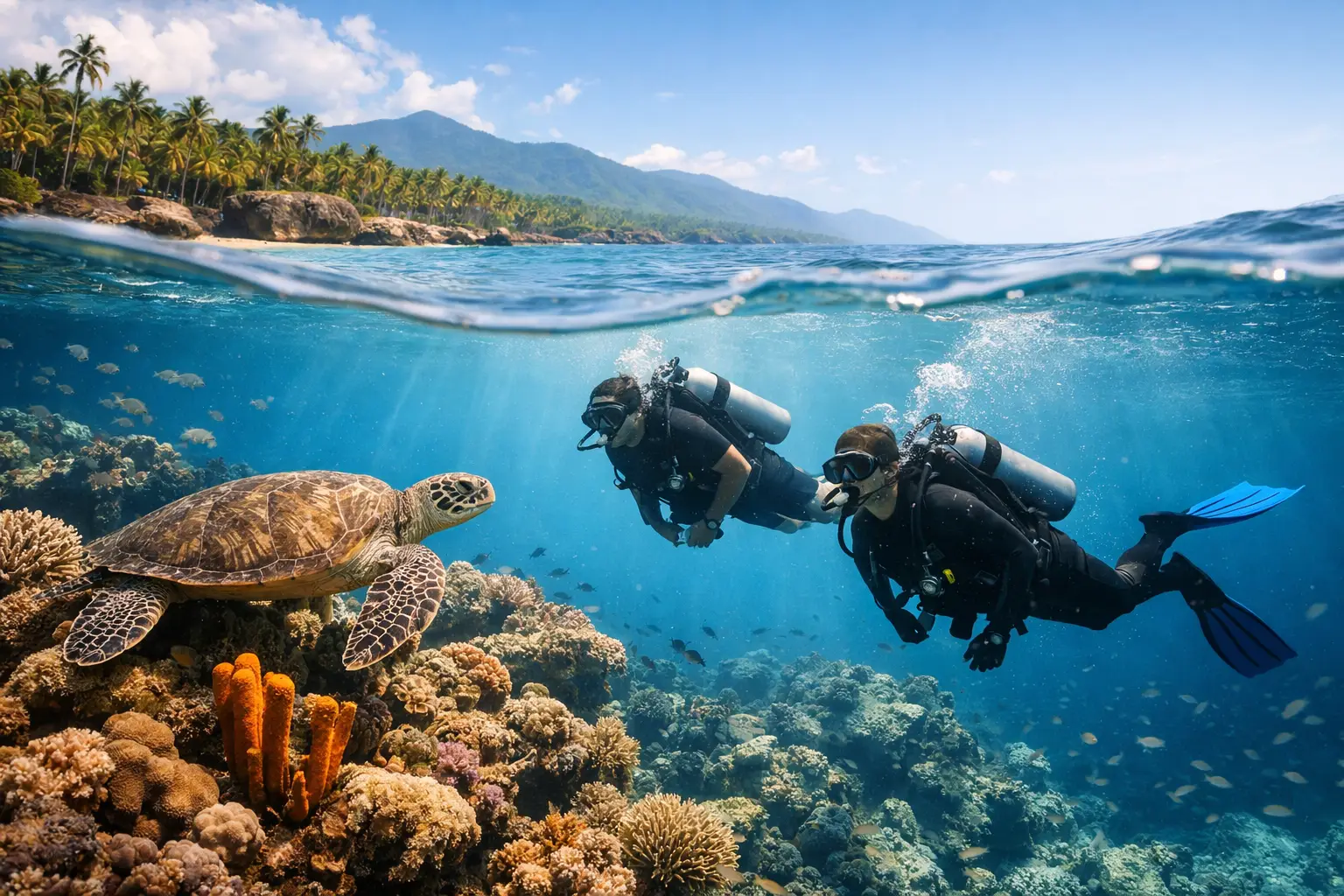
The Caribbean does not reveal its best side from a beach chair. Beneath the surface, Punta Cana and the wider coast of the Dominican Republic offer coral gardens, historic wrecks, dramatic walls, and encounters that make an ordinary vacation feel far more personal. A scuba diving Dominican Republic trip can be as relaxed as a first guided reef dive or as ambitious as a deep wreck and wall itinerary - the right choice depends on your experience, comfort level, and what you hope to see.
For travelers staying in Bávaro or Punta Cana, the biggest advantage is variety without complicated logistics. You can leave your hotel, meet a certified guide, and spend the day in the Caribbean Deep with the equipment, route, and pace adapted to your group.
Why scuba diving in the Dominican Republic stands out
The Dominican Republic is often known for all-inclusive resorts, soft sand, and warm water. Its underwater landscape deserves the same attention. Local reefs hold schools of tropical fish, rays, lobsters, and coral formations close enough to shore for accessible half-day outings. Farther afield, islands and offshore sites add clearer water, stronger topography, and a feeling of true expedition.
What makes the experience especially appealing is that one destination can suit very different divers. A first-time visitor may prefer calm, shallow reef areas with an instructor close by. A certified diver might choose a wreck, a vertical wall, or a shark point where the setting feels wilder and the profile requires more awareness. Couples and families often enjoy a private boat day because they can move at their own pace rather than follow a crowded excursion schedule.
Water conditions are generally inviting year-round, with warm temperatures and no need for a heavy wetsuit for most guests. Visibility changes with weather, wind, rain, and location, so no responsible operator should promise identical conditions every day. That is why local judgment matters: the best site is not always the most famous one, but the one that is safest and most rewarding for that particular day.
The best scuba diving Dominican Republic experiences
Colorful reefs near Punta Cana and Bávaro
Reef dives are the ideal introduction to the region. Peñón Reef and similar local sites offer the kind of Caribbean scenes many guests picture before arriving: branching coral, reef fish moving through the blue, and sandy patches where careful divers may spot rays or hidden marine life.
These sites are not only for beginners. Experienced divers can slow down, practice excellent buoyancy, and notice the smaller details that rushed groups miss: juvenile fish sheltering in coral, cleaner shrimp, moray eels, and the changing textures of a healthy reef. A smaller group makes a real difference here. With no crowd of fins around you, it is easier to listen, look closely, and stay connected to your guide.
Wreck diving at St. George and Atlantic Princess
A wreck changes the mood of a dive immediately. The outline of a vessel emerging from blue water has a sense of scale that a reef cannot replicate. The St. George Wreck is one of the Dominican Republic's standout dives, attracting certified divers who want structure, history, and a chance to see marine life using a ship as shelter.
Atlantic Princess offers another compelling wreck setting, with an artificial reef environment that continues to develop as corals and fish make the structure their own. Wreck dives are not automatically advanced, but they do require good control, careful depth awareness, and respect for the briefing. Penetration into enclosed spaces should only be considered with proper training, conditions, and a guide-approved plan. Looking from the outside can be every bit as memorable.
Walls, sharks, and the open blue
For certified divers ready to trade shallow coral gardens for bigger scenery, wall dives and shark sites deliver a more dramatic side of the Caribbean. A wall can feel like the seafloor simply falls away, with sponges, corals, and passing fish suspended beside deep blue water. It is beautiful, but it also asks for disciplined buoyancy and attention to depth.
Shark Point is another experience best approached with calm respect rather than a checklist mentality. Seeing sharks in their natural environment is powerful because it replaces movie myths with reality: alert, graceful animals moving through the ecosystem they help sustain. Sightings can never be guaranteed, and that honesty is part of a quality diving experience. The goal is not to chase wildlife, but to observe it responsibly.
Island days at Catalina and Saona
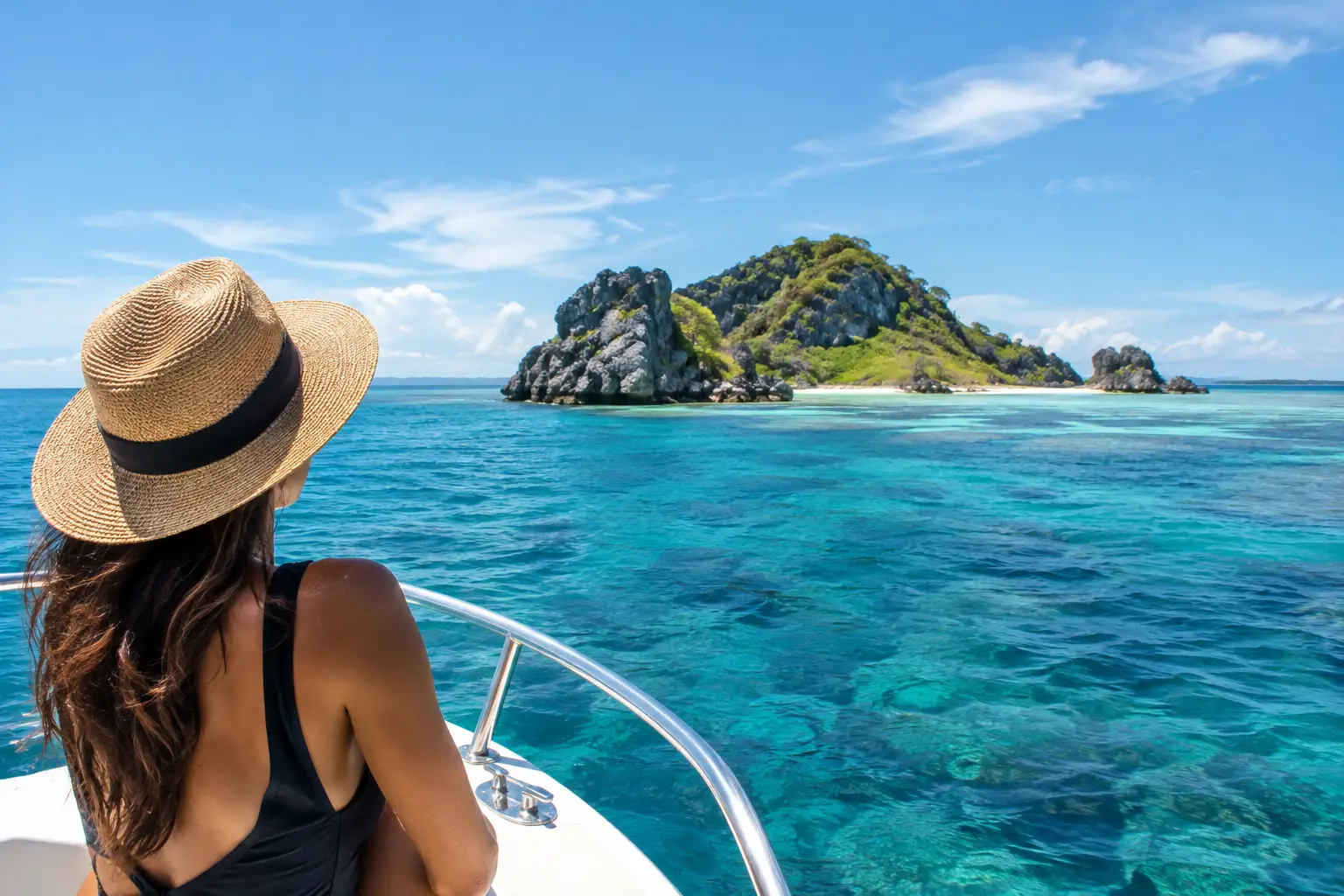
Isla Catalina and Isla Saona are excellent choices when you want your diving day to feel like a complete Caribbean escape. The boat ride, changing coastline, and more remote setting create space between you and the busy rhythm of the resort zone. Depending on the route and conditions, divers can find bright reefs, relaxed profiles, and water that often feels especially clear.
These trips work beautifully for couples, friends, and private groups. They are also a better fit for guests who value the journey as much as the time underwater. If you are prone to motion sickness, say so before booking. A longer boat route may be worth it, but preparation and realistic expectations help keep the day enjoyable.
Caves and cenotes for divers seeking something different
Cave and cenote experiences offer a completely different visual language from open-ocean diving. Light beams, limestone formations, and calm freshwater settings can feel almost unreal. They are not interchangeable with a standard reef dive, however. Overhead environments demand the right training, planning, and respect for limits.
For recreational divers, guided experiences may focus on areas appropriate to their certification and ability. For those interested in more technical routes, specialized training is the path forward. The best operators never make a cave environment sound casual. Its beauty comes with responsibility.
Choosing the right dive for your level
You do not need to arrive as a certified diver to experience the underwater world. A supervised beginner program lets you learn essential skills in a controlled setting before entering open water with a PADI professional. You will practice breathing from a regulator, clearing water from your mask, communicating underwater, and moving comfortably before the real adventure begins.
For children, age-appropriate experiences such as Bubblemaker can introduce the water in a playful, closely supervised format. The goal is confidence, not pressure. A child who wants to pause, ask questions, or simply enjoy the moment should have room to do exactly that.
Certified divers should be honest about their recent experience. If you have not dived in several years, a refresher or an easier first dive may be smarter than heading straight to the deepest profile. If you are comfortable and current, ask about wrecks, walls, shark sites, and multi-day options. A good guide will match the plan to your certification, air consumption, buoyancy, and interests rather than treating every diver the same.
What a well-planned day should include
The best diving day starts before the boat leaves. Clear communication about pickup time, medical considerations, certification cards, and equipment needs prevents avoidable stress. From Bávaro, complimentary transportation can remove one of the most frustrating parts of vacation planning: figuring out how to get to the marina with gear in hand.
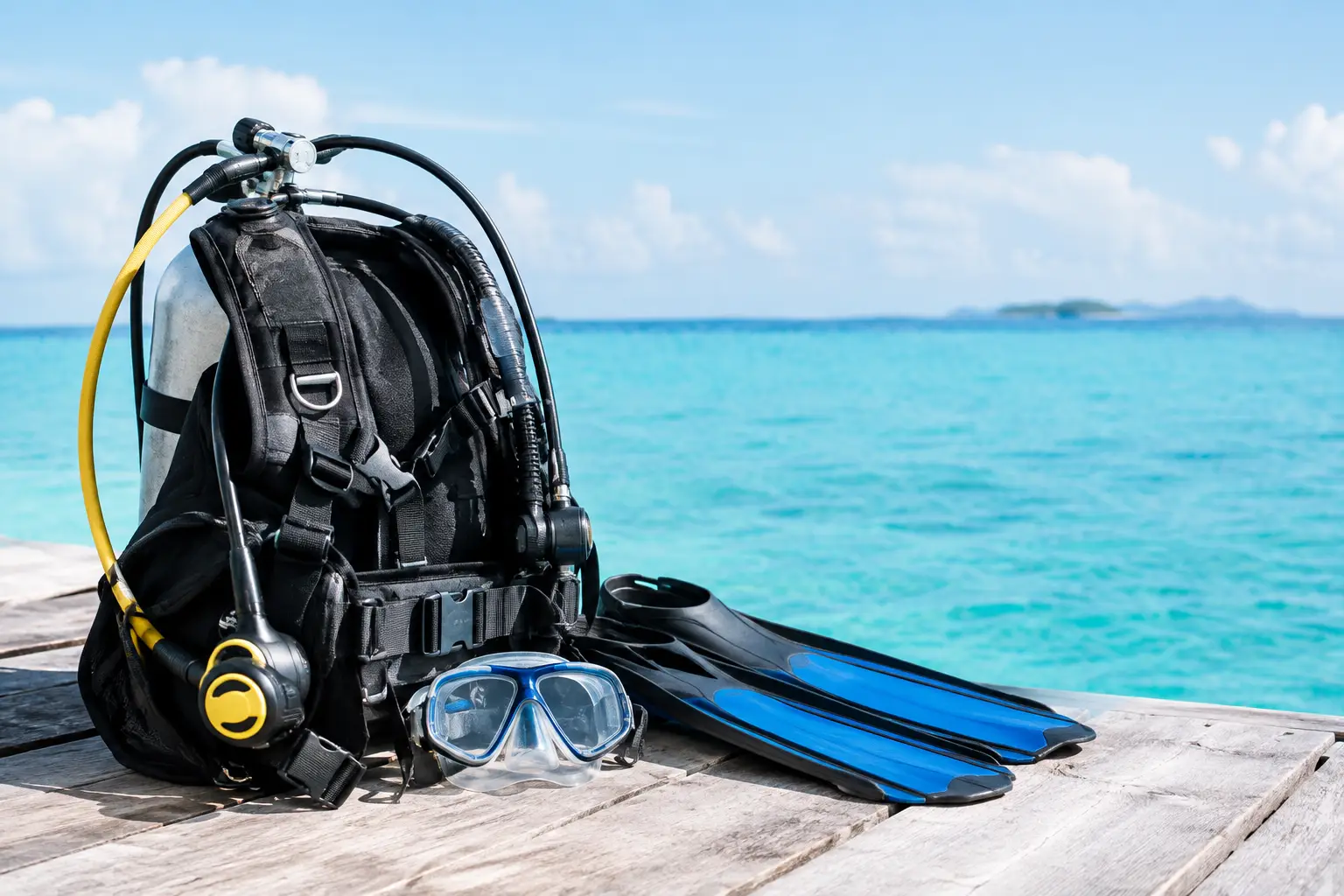
Once on site, expect equipment that is clean, properly maintained, and fitted to you, followed by a briefing that explains the route, depth range, entry method, hand signals, and marine-life etiquette. The briefing should feel reassuring, not rushed. Underwater, your guide should be close enough to assist while giving you enough space to enjoy the experience.
Group size is more than a comfort detail. In a maximum group of four divers, an instructor can better adapt the pace, notice signs of anxiety or fatigue, and point out marine life that larger groups often swim past. It also makes the day feel less like a production line and more like a shared adventure.
At Scuba & Chill, that personal approach is central: certified PADI guidance, small groups, complete equipment, and a team shaped by genuine knowledge of marine ecosystems. It is a practical way to make a technical activity feel welcoming without making it less serious.
A few habits that protect the reef
The Caribbean Deep is not a backdrop. It is a living system, and every diver has a role in protecting it. Keep your fins off the coral, secure gauges and hoses so they do not drag, and never touch turtles, rays, or other wildlife. Good buoyancy is not only a skill that makes photos look better - it is a form of respect.
Choose reef-safe sun protection when possible, avoid leaving trash on boats or beaches, and listen when guides adjust a plan for weather or conservation reasons. The most memorable encounter is one that leaves the animal and reef exactly as you found them.
Whether your first breath underwater happens over a quiet reef or your next milestone is a wreck silhouette in the blue, give yourself time to do it well. The Dominican Republic rewards divers who arrive curious, stay present, and let the sea set the pace.
Want to dive in the Dominican Republic?
Tell us your level, dates and what kind of experience you want. We will help you choose a dive, course or excursion.
Talk on WhatsApp