Small Group Diving Punta Cana, Done Right
Small group diving Punta Cana brings you closer to reefs, wrecks, and marine life with PADI guidance, complete gear, and no more than four divers aboard.
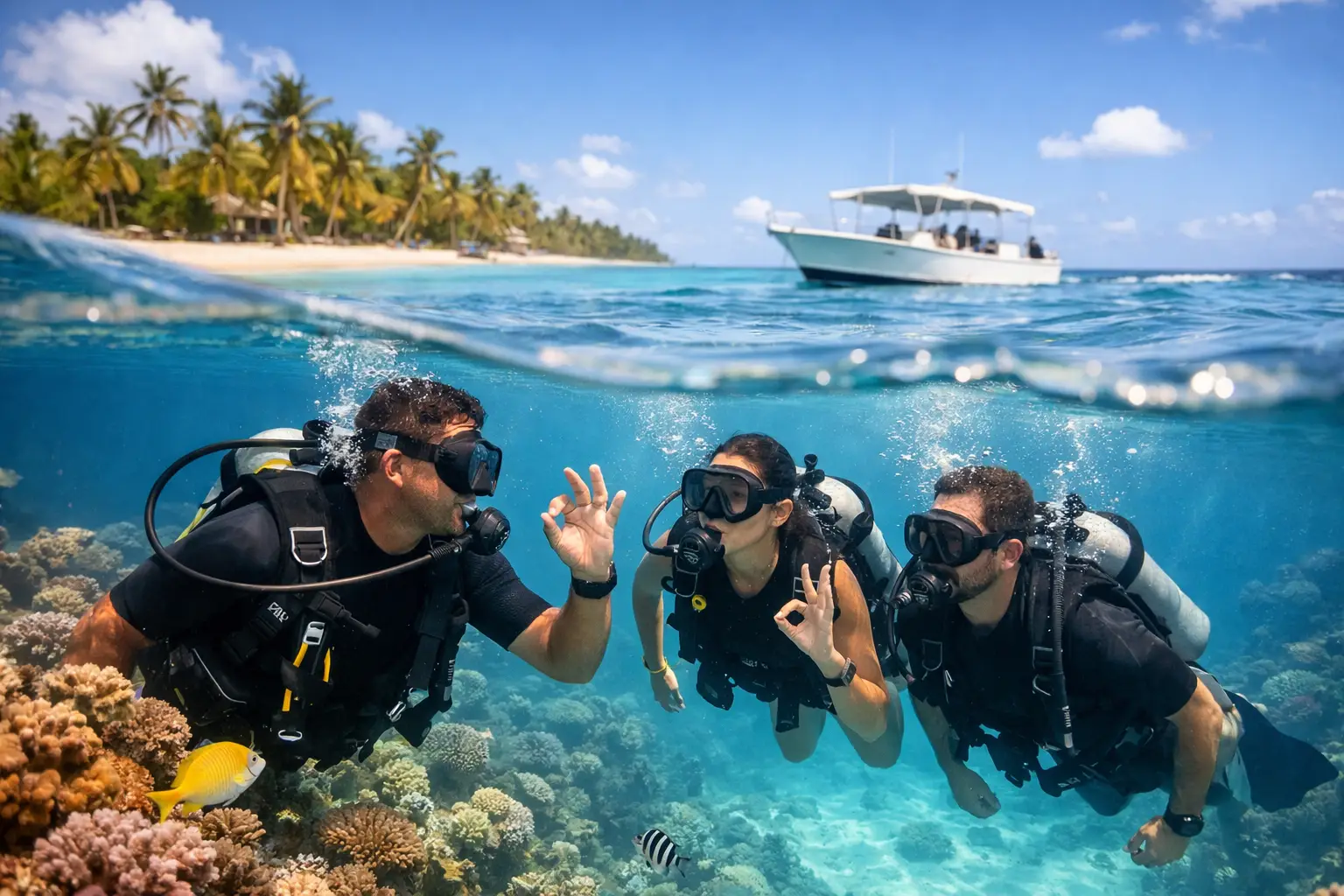
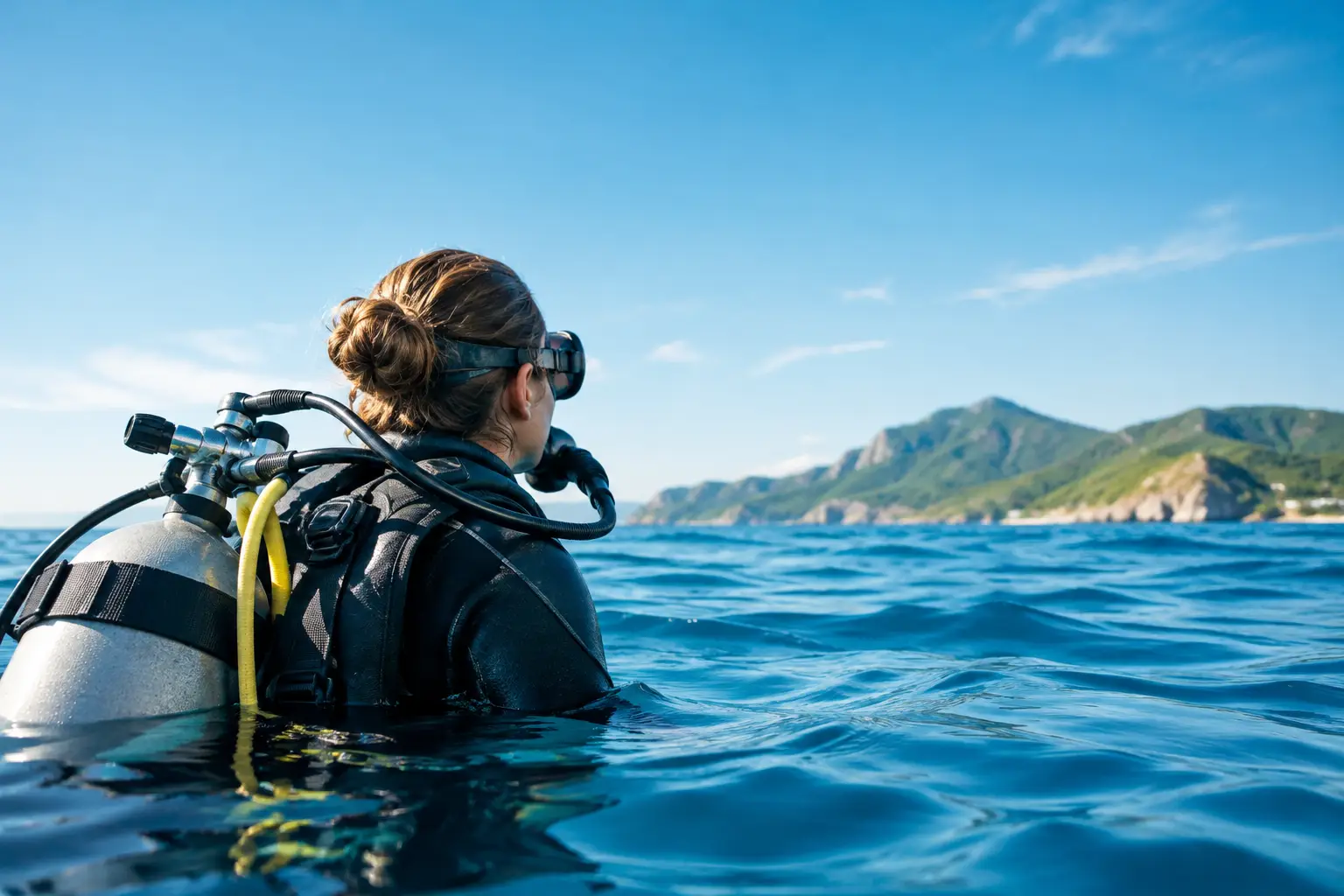
The difference is easy to feel once you are floating above a Caribbean reef: no crowd of fins around you, no rush to follow a flag, and no uncertainty about who to ask for help. Small group diving Punta Cana is for travelers who want the underwater world to feel personal, calm, and genuinely memorable.
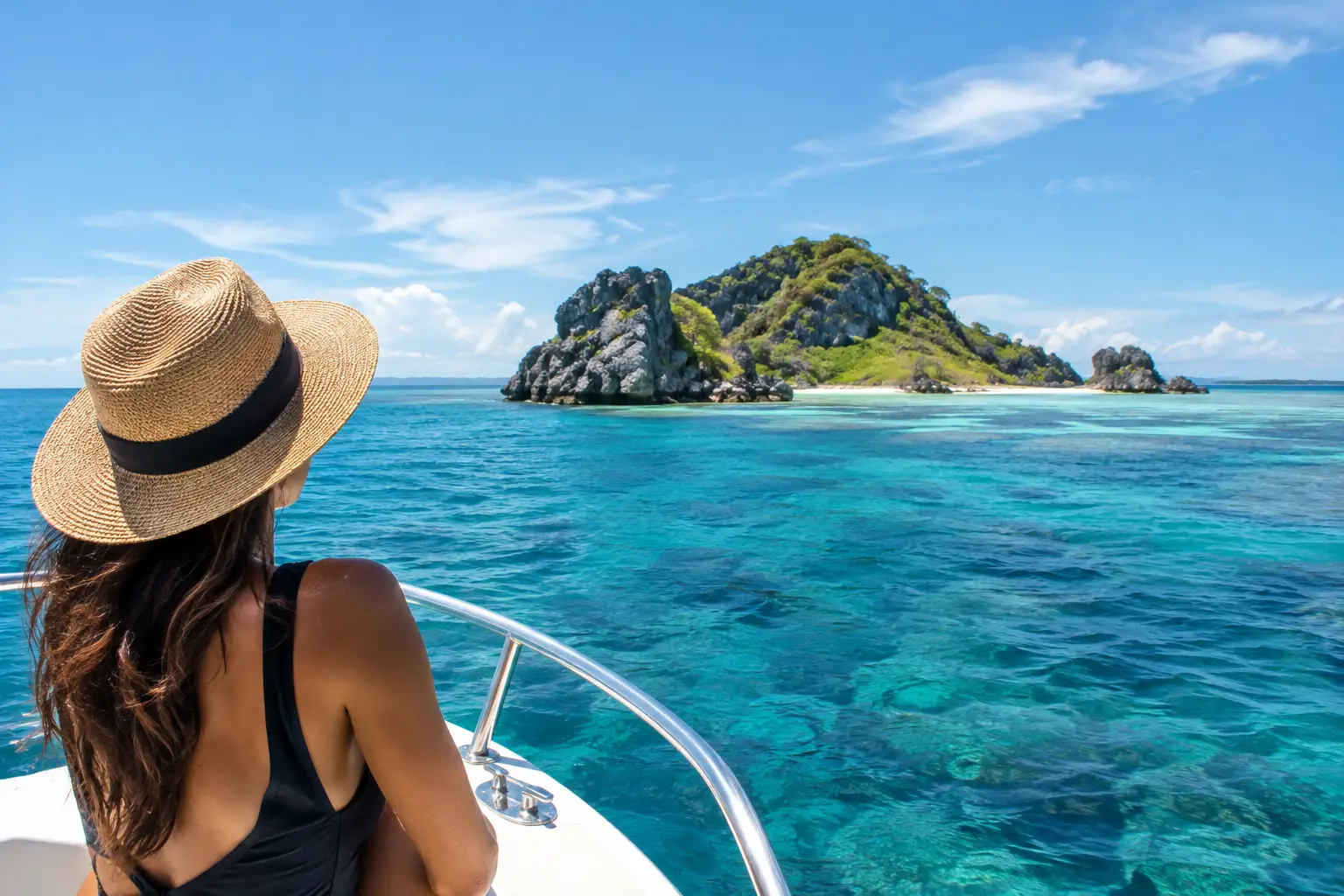
Punta Cana is known for sunlit beaches and all-inclusive resorts, but a more intimate Caribbean exists below the surface. Coral formations, reef fish, historic wrecks, turtles, rays, and dramatic blue water are waiting beyond the shoreline. The experience you have depends greatly on the size of your group and the attention your guide can give you.
Why Small Group Diving in Punta Cana Feels Different
A full boat can make diving feel like an assembly line. Gear is handed out quickly, briefings are broad, and the guide has to watch a large number of divers with very different experience levels. That setup may work for some people, especially those focused only on price. But it is not always the best way to enjoy an activity that requires awareness, trust, and a little time to settle in.
With a maximum of four divers, your PADI professional can better understand what you need before you enter the water. A newly certified diver may want a slower descent and extra reminders about buoyancy. An experienced diver may be hoping to spend more time observing the details of a reef wall or photographing a school of fish. In a small group, both needs are easier to accommodate without compromising safety or the rhythm of the dive.
There is also more room for the moments that make a dive stay with you. Your guide can point out a camouflaged scorpionfish, wait while you watch a curious turtle, or choose a route that suits conditions and your comfort level. Rather than chasing the group, you have the space to notice the Caribbean Deep.
Who Benefits Most From a Small Dive Group?
Small groups are not only for advanced divers. They are often the best choice for people taking their first breaths underwater. Beginners can ask questions freely and receive clear, individual guidance from a certified instructor. That extra attention can turn nerves into confidence before the first descent.
Couples appreciate the more relaxed pace as well. A dive can become part of a private vacation experience rather than another crowded excursion. Families, including those introducing children to programs such as Bubblemaker, benefit from a familiar, supportive environment where safety is never treated as an afterthought.
Certified divers also have plenty to gain. If you have traveled to dive before, you know that a site can feel completely different when there is time to look closely instead of simply following a large group from one checkpoint to the next. Small group diving lets you focus on buoyancy, marine life, photography, or the specific kind of site you came to Punta Cana to see.
The Right Dive Site Depends on Your Experience
Punta Cana and the wider Dominican Republic offer far more variety than many visitors expect. The right itinerary should reflect your certification, recent experience, sea conditions, and interests.
Reefs for Color, Comfort, and First-Time Confidence
Reef dives are an excellent starting point for beginners and certified divers who want an easy, colorful introduction to local marine life. Sites such as Peñón Reef can offer clear blue water, coral structures, and the kind of fish activity that makes every few feet feel worth watching. These dives are usually about slowing down, refining your buoyancy, and enjoying the reef without pressure.
For first-time divers, a proper briefing matters as much as the site itself. You should know how the equipment works, what hand signals you will use, how to equalize comfortably, and what to do if something feels unfamiliar. A professional team will never make you feel rushed through these basics.
Wrecks and Walls for Certified Divers
For divers with the proper training and comfort in the water, wrecks and walls add a different kind of energy. The St. George Wreck is one of the Dominican Republic's better-known underwater landmarks, with its large structure creating shelter for marine life and a striking silhouette in the blue. The Atlantic Princess offers another fascinating wreck environment, where history and ocean life meet.
Wall dives bring a sense of scale that photographs rarely capture. The reef may appear to fall away into deep blue, while schools of fish move across the edge and pelagic visitors can appear without warning. These sites reward good buoyancy control and awareness. They are not about going deeper just to say you did. They are about enjoying the setting within the limits of your training, air supply, and dive plan.
Shark Points, Caves, and Day Trips
Some divers come to Punta Cana looking for more than a standard reef dive. Shark Point can be an exciting option for qualified divers who want the chance to observe sharks respectfully in their natural environment. The goal is not to provoke wildlife or create a spectacle. It is to witness marine life with calm, proper conduct, and a guide who understands the site.
Caves and cenotes require their own level of judgment. An overhead environment is not appropriate for every diver, and reputable operators will be direct about certification requirements and conditions. The same is true for longer excursions to Isla Catalina or Isla Saona. These trips can be extraordinary, but weather, travel time, and the type of day you want all matter. A personalized recommendation is more valuable than a one-size-fits-all promise.
What a Well-Planned Dive Day Should Include
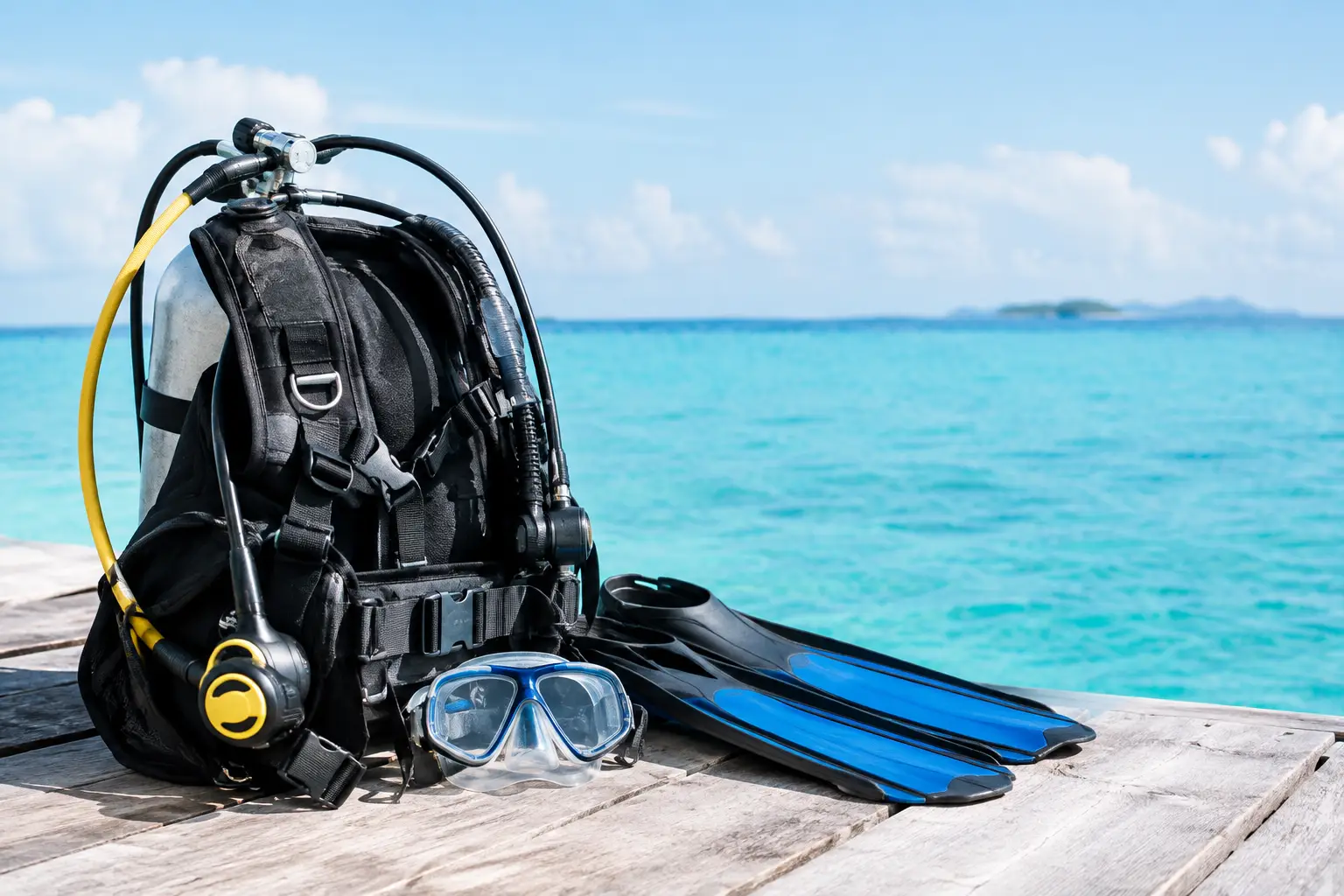
Vacation time is valuable. The best dive day removes unnecessary friction before you ever reach the boat. For guests staying in Bávaro, complimentary transportation, complete equipment, and a clearly communicated schedule make a real difference. You should not have to spend your morning trying to find a shop, carrying heavy gear through a resort, or wondering whether your rental equipment has been properly maintained.
Once you arrive, the pace should be organized but never cold. Expect a briefing that covers the planned site, depth range, sea conditions, marine-life etiquette, communication signals, and safety procedures. Your instructor should check equipment fit and ask about certifications, recent dives, medical considerations, and goals for the day.
After the dive, a small-group experience leaves room to talk about what you saw and how the dive felt. That conversation is useful for beginners who want feedback and for experienced divers planning their next adventure. It is also part of the fun. The stories tend to start before your gear is even dry.
Safety Is What Makes Relaxation Possible
The most enjoyable dives are not the ones with the most drama. They are the ones where you feel prepared, supported, and free to focus on the view. PADI-certified guidance, well-maintained equipment, conservative planning, and small diver-to-guide ratios all contribute to that feeling.
Good safety also means respecting changing conditions. Visibility, current, wind, and surface chop can vary. A responsible team may recommend a different site than the one you imagined, or advise against a particular dive on a given day. That is not a lesser experience. It is professional decision-making that protects both divers and the marine environment.
At Scuba & Chill, the small-group approach is supported by instructors with a real connection to marine science and coral restoration. That perspective changes how a guide talks about the reef. You are not simply shown fish; you are invited to understand the living ecosystem around you and why careful diving matters.
How to Choose Your Punta Cana Dive Experience
Before booking, be honest about your experience level and what you want from the day. If you are new, tell the team. If you have not dived in several years, say so. If you are certified but want to practice buoyancy before visiting a wreck or wall, that is useful information, not a limitation.
Ask how many divers will be in your group, whether transportation and gear are included, who will guide you, and what sites are realistic for your certification. A quality operator will answer clearly rather than making vague promises. You should also mention any special occasion, family needs, photography plans, or interest in a private excursion. Those details can shape a far better day on the water.
Bring a swimsuit, towel, sun protection for the boat ride, and a sense of curiosity. Everything else begins with a conversation about the kind of underwater adventure that feels right for you.
The Caribbean becomes quieter once you descend. Choose a group small enough that you can hear your own breathing, watch the reef at your own pace, and come back to the surface with a story that feels entirely your own.
Want to dive in the Dominican Republic?
Tell us your level, dates and what kind of experience you want. We will help you choose a dive, course or excursion.
Talk on WhatsApp