St George Wreck Diving for Certified Divers
Plan St George wreck diving near Bayahibe: depths, certification, marine life, and how a small guided group turns a wreck into a safe Caribbean highlight.
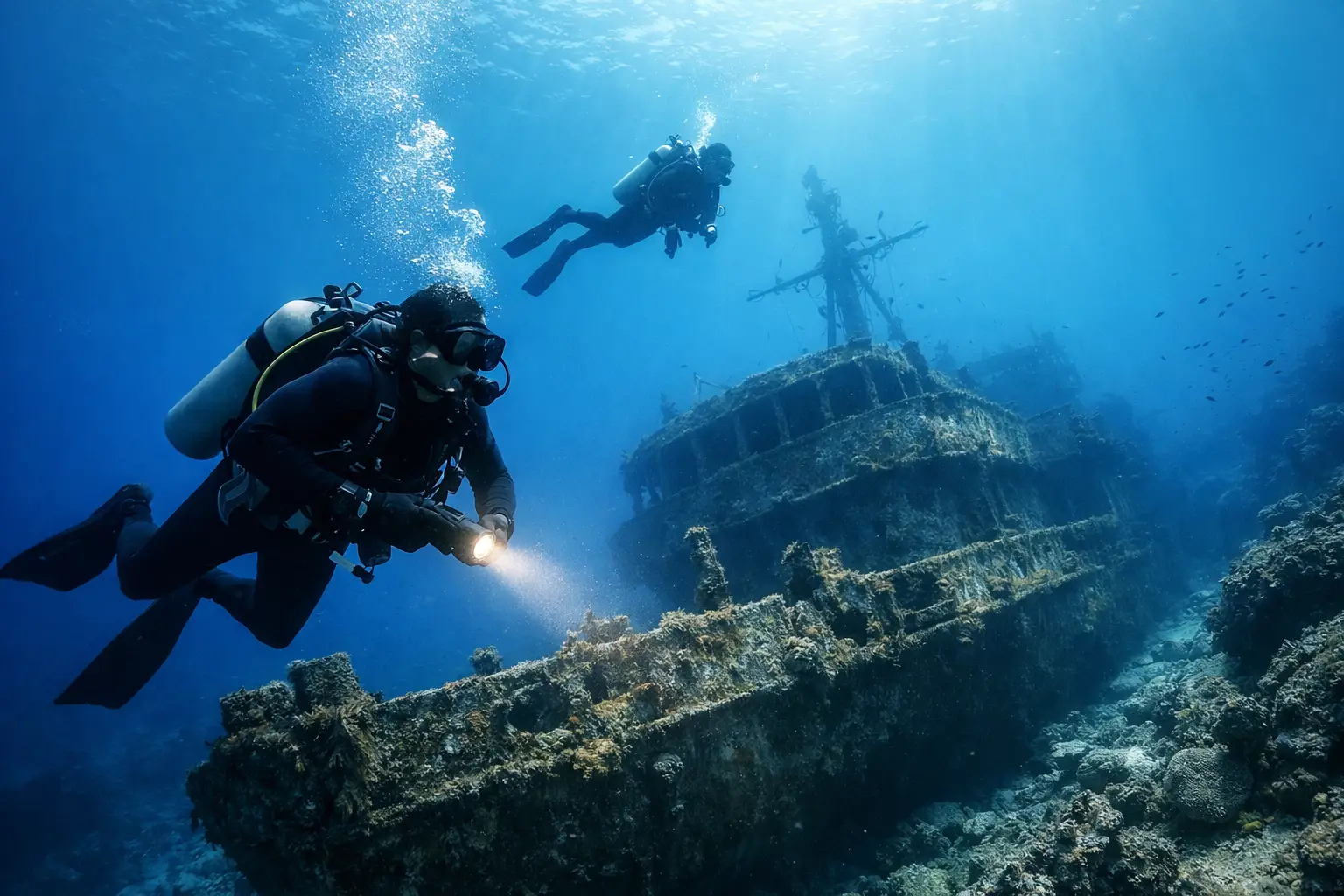
The first sight of the St. George is not a vague shape in blue water. Its hull rises from the seabed like a steel landmark, covered in coral and surrounded by moving schools of fish. St George wreck diving is one of the Caribbean’s most memorable experiences for certified divers visiting Punta Cana and Bávaro - but it deserves more than a quick boat ride and a rushed lap around the ship.
This is a dive for people who want to feel the scale of a purpose-sunk wreck, understand what they are seeing, and explore it with a guide who keeps the experience calm, personal, and well planned. The St. George rewards good buoyancy, thoughtful depth management, and the willingness to slow down.
What Makes the St. George Wreck Special?
Located off Bayahibe on the Dominican Republic’s southeast coast, the St. George is a former cargo ship intentionally sunk in 1999 to create an artificial reef. At roughly 240 feet long, it is large enough that the wreck changes character as you move around it. From one angle, you see a long ship silhouette against clear Caribbean blue. From another, you are close enough to inspect railings, open cargo areas, coral growth, and the fish that now treat the vessel as home.
The wreck rests upright, with the upper structure beginning at a more accessible recreational depth and the deeper sections reaching approximately 130 feet, depending on the point of the wreck and local conditions. That range is exactly why the site feels so compelling. You can enjoy a beautiful exterior tour without chasing the deepest profile, while experienced divers can appreciate the ship’s full vertical presence and the more dramatic lower areas.
Unlike a natural reef, a wreck gives the dive a sense of orientation and story. You follow the lines of a vessel built for another purpose, then watch how the ocean has claimed it. Sponges, soft corals, and encrusting life soften the metal. Schooling grunts and jacks gather along the structure. Barracuda may hold position in open water, while smaller reef fish shelter near the hull.
Is St George Wreck Diving Right for You?
The short answer is: it depends on your certification, recent experience, comfort in open water, and the day’s conditions. This is not generally the right first open-water ocean dive after certification, especially for someone who is still learning buoyancy control or becomes anxious at depth.
Certified Open Water divers may be able to enjoy shallower exterior portions of the wreck when conditions and the dive plan allow. However, an Advanced Open Water certification, deep-diving experience, or similar comfort at depth makes the day more rewarding. It gives you more options while helping you manage air consumption, nitrogen exposure, descent awareness, and buoyancy around the ship.
A responsible guide will not treat a certification card as the whole story. Before entering the water, they should ask about your last dive, your typical air consumption, your maximum comfortable depth, and whether you have ever dived a wreck. There is no prize for going deeper than you can enjoy. Some of the best moments happen on the upper deck, where light reaches the structure and marine life is often most active.
Wreck penetration is a separate decision, not an automatic part of the experience. Entering enclosed spaces requires specific training, suitable equipment, excellent buoyancy, clear communication, and conditions that support it. For most vacation divers, a guided exterior exploration is the smart choice and delivers the full visual impact of the St. George without adding unnecessary risk.
The Skills That Make the Dive Better
You do not need to be an expert technical diver, but a few skills make a major difference. Controlled descents prevent the wreck from appearing suddenly below you. Good trim and finning protect the fragile life that has grown on the ship. Staying close to your buddy and guide helps you enjoy the details rather than worrying about navigation.
If you have not dived recently, tell your instructor before the trip. A refresher, a relaxed reef dive, or a private guide can be the better first step. The goal is not to prove anything. It is to arrive at the wreck focused, comfortable, and ready to enjoy the Caribbean Deep.
What You Will See Around the Wreck
No two St. George dives look exactly alike. Visibility, current, sunlight, and seasonal fish activity change the mood of the site. On a bright morning, the upper decks can glow with blue water and silver flashes from passing schools. On a day with more current, the ship becomes a meeting point for fish using the structure for shelter.
Expect the familiar color of a healthy Caribbean artificial reef: blue tangs, French angelfish, parrotfish, sergeant majors, trumpetfish, grunts, and wrasse. Larger visitors can include jacks, barracuda, and occasionally rays in the surrounding sand. Look carefully at the fixed surfaces too. The wreck is not only a large object to photograph from a distance. It is a living habitat, full of small scenes in cracks, rails, and coral-covered edges.
For photographers, the St. George offers two very different opportunities. Wide-angle images work beautifully when a diver is framed beside the hull or mast-like structures, showing the ship’s scale. Macro-minded divers can slow down for tiny invertebrates and patterns in the growing reef. A guide who knows the site can help you choose a route that fits your camera, air use, and experience rather than following a generic circuit.
Planning a Wreck Dive From Punta Cana or Bávaro
The wreck is near Bayahibe, west of the Punta Cana resort zone, so this is usually a planned day trip rather than a quick local shore excursion. That added travel is worthwhile when you want a recognized Caribbean wreck and the chance to combine it with other Bayahibe-area diving.
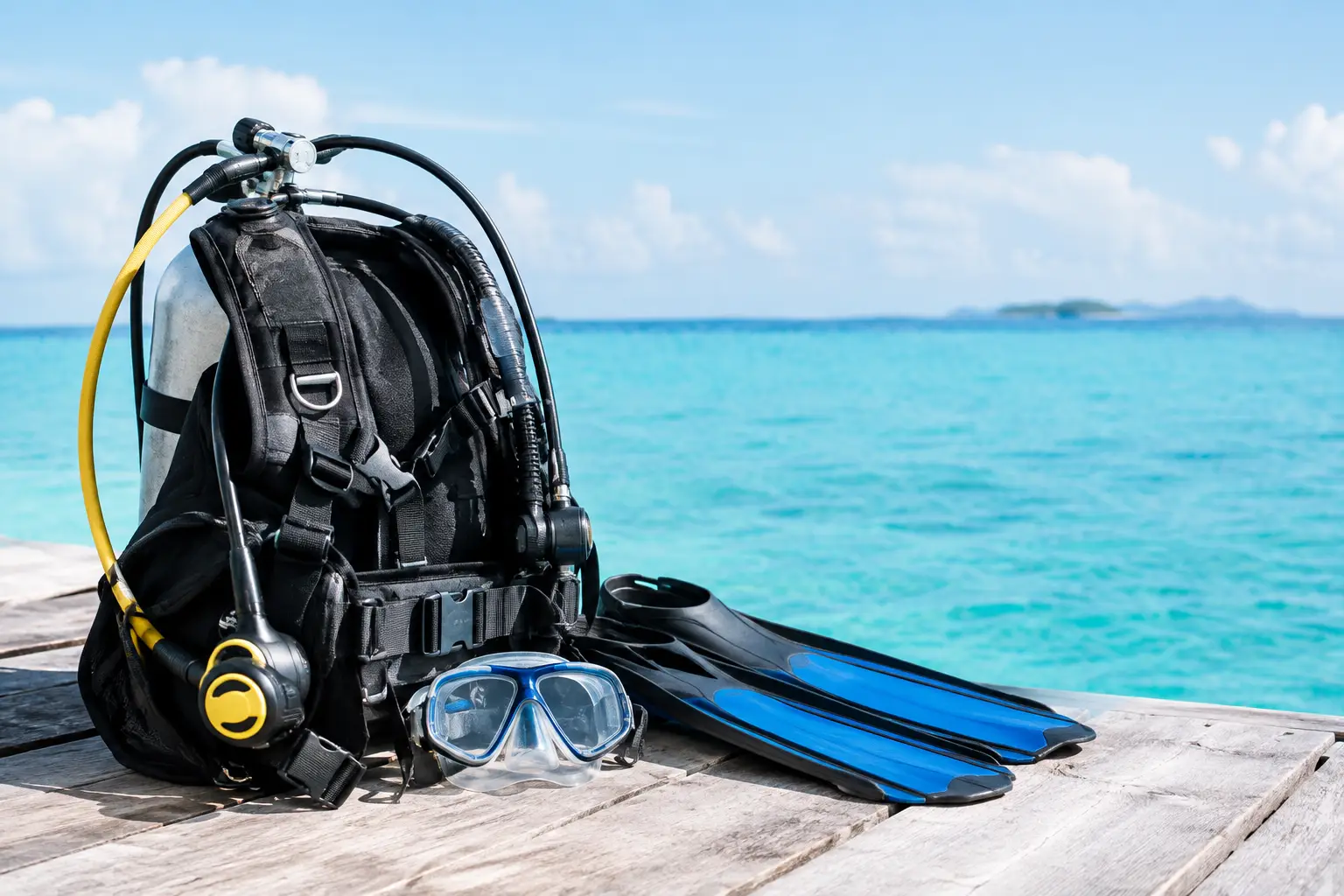
Plan to bring your certification card or digital proof, logbook information if available, swimwear, a towel, reef-safe sun protection, and something warm for the return journey. Your dive center should provide well-maintained scuba equipment, tanks, weights, and a complete safety briefing. If you use your own mask, computer, or camera, check batteries and settings before leaving the hotel.
A good briefing should cover the planned maximum depth, route, current expectations, descent method, communication signals, turn pressure, safety-stop plan, and what to do if you become separated from the group. These details are not paperwork getting in the way of adventure. They are what allow the underwater part to feel relaxed.
At Scuba & Chill, groups are limited to four divers, with transportation from Bávaro and full equipment included. That smaller format matters at a site like the St. George. It allows the instructor to adjust the route to the divers in front of them, keep a close eye on air and comfort, and give everyone space for photos and quiet observation.
Why a Small Group Changes the Experience
On a large boat, a wreck can become a race: follow the crowd, stay out of another team’s bubbles, and surface before you have processed what you saw. A small guided group makes room for a different pace. You can pause at the bow, watch fish circling the superstructure, or spend an extra moment composing a photograph without feeling pushed along.
It also improves practical safety. Divers have different breathing rates and depth comfort. With only a few people in the water, your PADI-certified guide can make decisions based on the actual group rather than a fixed mass-tourism schedule. If conditions favor a shallower route, that is the route. If your experience supports a more ambitious exterior profile within recreational limits, the plan can reflect that too.
The best wreck dives leave you with a strong memory, not a checklist of depths reached. The St. George is powerful because it combines human history, marine recovery, and the quiet intensity of being suspended beside a ship beneath the Caribbean surface. Come prepared, choose a guide who values your comfort as much as the route, and give yourself permission to take it slowly.
Want to dive in the Dominican Republic?
Tell us your level, dates and what kind of experience you want. We will help you choose a dive, course or excursion.
Talk on WhatsApp