What Documents for PADI Certification Do You Need?
Wondering what documents for PADI certification you need? Learn the forms, ID, medical requirements, and travel details for training in Punta Cana safely.
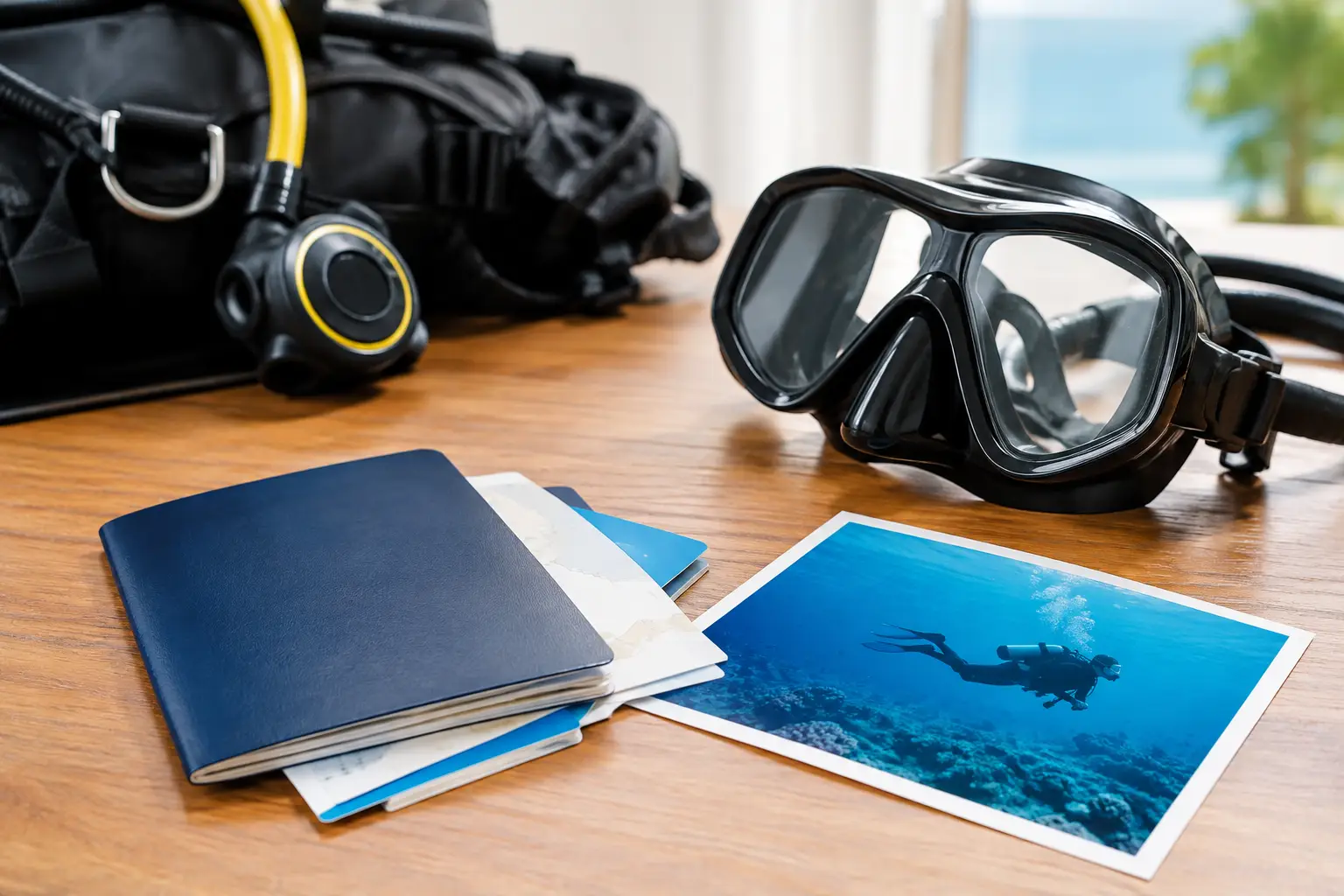
Your first day of PADI training should begin with anticipation - not with a scramble to find paperwork in your hotel room. If you are wondering what documents for PADI certification you need, the good news is that the list is manageable. Most of the process is digital, but a few forms require honest answers, a parent signature for younger divers, or clearance from a physician.
For travelers in Punta Cana and Bávaro, preparing these details before your course leaves more room for the good part: learning the skills that take you from the beach into the Caribbean Deep, with reefs, blue water, and a qualified instructor beside you.
What documents for PADI certification are required?
The exact paperwork can vary slightly by course, your age, medical history, and the PADI materials currently in use. Your instructor or dive center will provide the correct forms for your program. Still, most students should expect to complete a participant agreement, a medical screening questionnaire, course registration, and digital learning enrollment.
You do not normally need a stack of printed documents. A smartphone, email access, and a clear photo of your identification are often enough. What matters most is completing every form accurately and early enough to resolve any medical questions before the practical sessions begin.
1. PADI participant forms and liability documents
Every PADI course begins with participant paperwork. These forms explain the nature of scuba diving, the safety rules you agree to follow, and the risks involved in an activity conducted underwater. They also confirm that you understand your responsibilities, such as listening to your instructor, staying within your training limits, and reporting any change in your health.
Read rather than rush through these pages. They are not just a formality. Diving is a beautiful, demanding activity, and the paperwork establishes the safety framework for your course. In many cases, forms can be completed electronically before you arrive at the dive center.
If you are booking for a child or teenager, a parent or legal guardian must usually sign the required documents. Bring the guardian's photo ID as well, particularly if the adult who signs the forms will not be present on the day of training.
2. Medical questionnaire and, when needed, physician approval
The medical screening questionnaire is the document that deserves your closest attention. It asks about conditions that could affect diving safety, including certain heart or lung conditions, ear issues, recent surgery, seizures, diabetes, pregnancy, anxiety treatment, and medications. A “yes” answer does not automatically mean you cannot become certified.
It may mean you need medical clearance from a licensed physician before entering the water. The doctor should review the questionnaire and confirm that you are fit to scuba dive. Do this before your vacation whenever possible. Waiting until you reach Punta Cana can limit your options and may delay the course, especially during weekends or holidays.
Be fully honest. Do not minimize a symptom because you are eager to see a wreck or descend over a coral reef. An instructor can adapt the pace of training, but cannot override a medical requirement. A safe decision protects your vacation and your future as a diver.
3. Proof of identity and date of birth
Bring a valid government-issued photo ID, such as a passport or driver's license. A passport is the most practical choice for international travelers because it confirms both identity and date of birth. Your dive center may only need to see it, though a digital copy can help with registration.
Age requirements depend on the program. Children can begin with experiences such as Bubblemaker at an early age, while Junior Open Water Diver certification has its own age standards. Adult-level certifications also have age requirements. Accurate birth-date information ensures that the right PADI course and materials are assigned from the start.
4. PADI eLearning registration details
Most PADI certification courses include academic study through PADI eLearning. You will generally need a working email address, your full legal name, date of birth, and access to a phone, tablet, or computer. Completing the knowledge development before your in-water sessions can make your vacation schedule far more relaxed.
Use the same name that appears on your identification. Small differences, such as using a nickname in eLearning and your full name on registration, can create avoidable corrections later. Save your login information and complete the assigned sections carefully, including knowledge reviews and any required assessments.
For a short vacation, timing matters. The Open Water Diver course is not simply a single afternoon in the ocean. It includes academics, confined-water skill practice, and open-water dives. Starting eLearning at home gives you more time in the Caribbean and less time looking at a screen.
Documents for continuing education and certified divers
If you are taking Advanced Open Water, Rescue Diver, a specialty course, or a professional-level program, bring evidence of your current certification. A digital PADI eCard is usually ideal, but a physical card or certification number can also be useful. Your instructor needs to confirm that you meet the prerequisites for the next step.
For example, a diver joining an advanced course may need to show Open Water certification. Rescue training requires prior qualifications and may include CPR and first-aid prerequisites with specific timing requirements. Some specialties have age limits, experience requirements, or both. Ask about these before booking rather than assuming every course follows the same path.
Certified divers joining guided fun dives should also bring their certification card or digital eCard and logbook, whether paper or electronic. A logbook is particularly valuable for sites with deeper profiles, stronger currents, or more advanced conditions. It helps your guide plan an experience that matches your real comfort level, not just the card in your wallet.
Travel documents are separate from dive documents
Your passport, hotel details, and return travel information are essential for your trip to the Dominican Republic, but they are not PADI certification paperwork. The dive center does not issue entry permits or manage immigration requirements. Check official travel guidance for your nationality well before departure.
Still, keep your travel and dive details together. Have your hotel name, local phone number, emergency contact, and transportation arrangements available on your phone. At Scuba & Chill, transfers from Bávaro help remove one common vacation complication, but it is still wise to confirm pickup times and stay reachable on the morning of your course.
Travel insurance is not always a mandatory course document, but it is worth reviewing before departure. Standard travel policies vary widely in their coverage for scuba diving, especially regarding depth limits, medical evacuation, recompression treatment, and activities outside recreational limits. Read the policy rather than relying on a general assumption that “adventure sports” are included.
A simple pre-course checklist
Before leaving for the dive center, make sure you have completed the participant forms and medical questionnaire, brought your photo ID, and finished as much eLearning as your instructor requested. If a doctor has cleared you for diving, carry the signed clearance in a digital and printed version. Continuing-education students should also have their certification proof and, when relevant, their logbook and CPR or first-aid credentials.
Bring any prescription glasses, medication information, and personal items you need for the day, but leave valuables at your hotel when possible. Your dive center provides guidance on equipment, so there is no need to purchase gear just to start a beginner course. Well-maintained rental equipment and an unhurried fitting are much more useful than buying a mask in a rush.
Give yourself room to learn
Paperwork is only the first checkpoint. PADI certification is earned through knowledge, skills, judgment, and calm practice underwater. Choose a course schedule that does not force you to rush from an airport transfer into the water, and never plan to fly immediately after diving. Your instructor will explain the appropriate waiting period based on your dive profile.
Arrive rested, hydrated, and ready to ask questions. With the right documents completed in advance, you can focus on the moment that matters: taking your first confident breath underwater and realizing the Caribbean has a whole second world below the surface.
Want to dive in the Dominican Republic?
Tell us your level, dates and what kind of experience you want. We will help you choose a dive, course or excursion.
Talk on WhatsApp