Atlantic Princess Wreck Dive in Punta Cana
Plan an Atlantic Princess wreck dive from Punta Cana with small groups, expert guidance, practical preparation, and a close look at this Caribbean wreck.
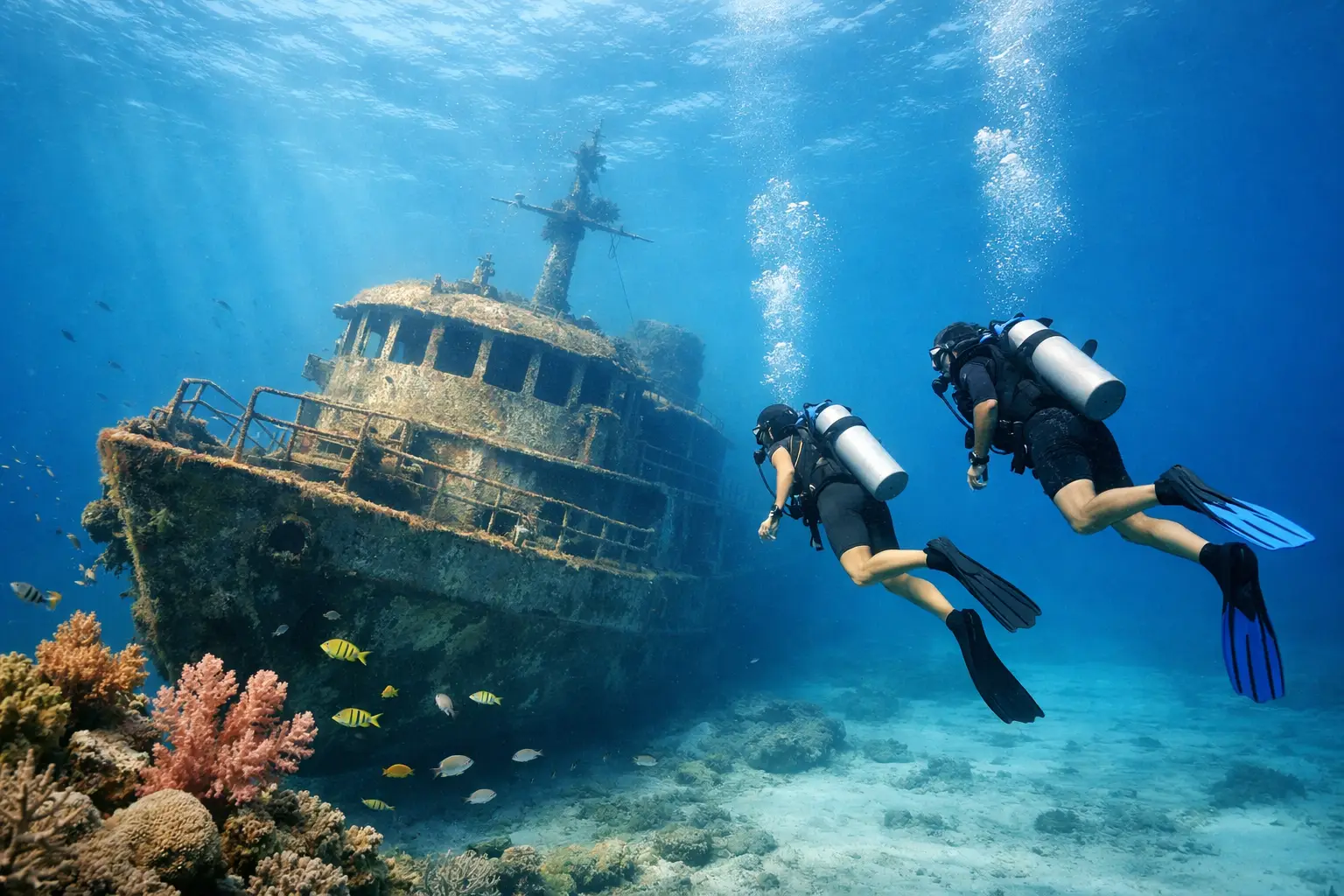
A wreck changes the mood of a dive before you even descend. The Atlantic Princess wreck dive is not about racing from one coral head to the next. It is about slowing down, following the lines and openings of a purpose-sunk vessel, and noticing how quickly the Caribbean makes a man-made structure feel like part of the reef.
For certified divers visiting Punta Cana and Bávaro, Atlantic Princess is a memorable way to see another side of the Caribbean. It combines approachable wreck exploration with the shifting light, schools of tropical fish, and relaxed water conditions that make this region such a rewarding place to dive. The experience is best enjoyed with an unhurried plan, good buoyancy, and a guide who knows where marine life tends to gather.
What Makes the Atlantic Princess Wreck Dive Special
The Atlantic Princess was intentionally sunk to create an artificial reef. That purpose matters. Rather than treating the wreck as an object to be conquered, a good dive treats it as habitat: a structure where fish shelter, corals and sponges establish themselves, and the character of the site changes with season, current, and visibility.
Its profile offers something that natural reef dives cannot quite replicate. You can trace rails, decks, and distinctive structural details while watching the blue water frame the wreck from the outside. Sunlight often cuts across the metal surfaces in bright bands, while the shaded areas can hold different fish behavior and more cautious residents.
This is also a dive with a strong sense of scale. From a distance, the wreck appears as a silhouette emerging from the water column. Up close, small details take over: a school turning above a railing, a trumpetfish holding still against the structure, a crab tucked into a quiet corner. That contrast is why wrecks remain compelling even for divers who have logged many Caribbean dives.
Who Should Dive Atlantic Princess?
The Atlantic Princess wreck dive is generally a great fit for certified open-water divers who are comfortable maintaining neutral buoyancy and following a guided route. It can be especially appealing for people who have mostly dived reefs and want their first proper wreck experience without making the day feel overly technical.
That said, certification is only one part of readiness. Your comfort level matters more than your total number of logged dives. If you have been out of the water for a while, tell your instructor or guide. A short review of mask clearing, regulator recovery, buoyancy control, and communication signals can make the entire dive more relaxed.
More experienced divers will appreciate the chance to refine their wreck-diving habits: keeping a respectful distance from the structure, controlling fin kicks near marine growth, and remaining aware of depth, gas supply, and the rest of the group. Conditions vary, so the exact route and what can be explored safely depend on the day.
What You May See Around the Wreck
Artificial reefs become living neighborhoods, and Atlantic Princess is no exception. Tropical fish often use the wreck as both shelter and a meeting point, moving between the structure and nearby reef habitat. Expect the familiar color and motion of the Dominican Republic underwater world, but do not arrive with a rigid wildlife checklist.
Some days bring dense schools circling above the wreck. On others, the rewarding moments are smaller: a juvenile fish using a piece of structure for cover, a well-camouflaged scorpionfish, or a curious creature appearing after you have paused long enough to look closely. Barracuda, jacks, angelfish, and other Caribbean species may pass through, while sponges and coral growth continue to soften the wreck’s original form.
Visibility, current, weather, and marine activity all influence the experience. That is part of the appeal. The same wreck can feel wide open and blue one day, then intimate and full of movement the next.
Wreck Etiquette Protects the Experience
A wreck dive is more enjoyable when every diver treats it gently. Avoid grabbing rails or walls, even when they seem solid. Marine growth is easily damaged, and touching the wreck can stir sediment or disrupt the animals using it for shelter.
Keep your fins controlled and your body position horizontal whenever possible. This reduces contact with the structure and gives the divers behind you a clearer view. If a guide points toward an opening or feature, approach slowly and only enter when it is appropriate for your training, the conditions, and the plan for the group.
Penetration is not required to have an excellent wreck dive. In fact, staying outside the wreck often provides the best combination of light, visibility, photographs, and awareness of the surrounding marine life. A responsible guide will never make interior exploration feel like something you must do to get the full experience.
How to Prepare for Your Dive Day
The most satisfying dive days begin before the boat leaves shore. Rest well, stay hydrated, and avoid heavy drinking the night before. Caribbean heat can make dehydration easy to overlook, especially when you are focused on vacation plans.
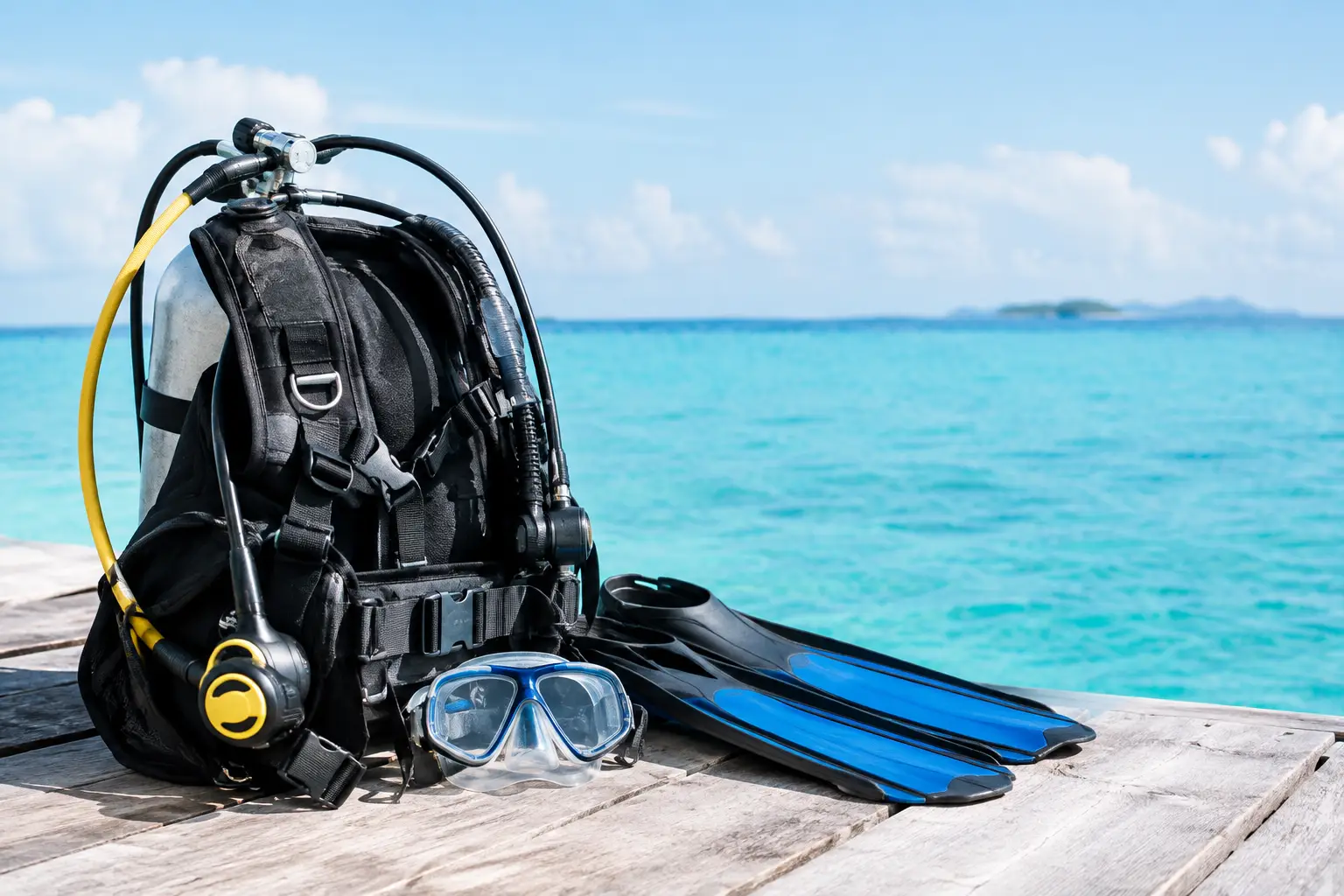
Bring your certification card or digital proof of certification, a swimsuit, towel, reef-safe sun protection, and a dry change of clothes. If you use prescription lenses, have a preferred mask, or own a dive computer, it is worth bringing familiar equipment. Otherwise, professionally maintained rental gear should be fitted carefully before departure.
Be honest during the pre-dive conversation. Mention any ear equalization concerns, anxiety after a long break from diving, recent illness, or equipment preferences. This is not a test. It gives your instructor the information needed to adapt the briefing and help you feel prepared.
At Scuba & Chill, small groups of up to four divers help keep that preparation personal. Instead of being rushed through a large-group routine, you have room to ask questions, confirm your fit, and receive guidance that matches your experience level. Transportation from Bávaro and complete equipment also remove much of the vacation-day logistics.
What a Good Wreck Briefing Should Cover
Before entering the water, your guide should explain more than the basic hand signals. A thoughtful wreck briefing covers the planned maximum depth, expected bottom time, entry and exit method, current considerations, and the route around the structure. You should know where the group will meet if separated, how close you are expected to stay, and whether any areas are off limits.
The briefing should also make the pace clear. A wreck is not a place for chasing fish or swimming ahead to get a photo. The best route is often slow, with time to view the vessel from different angles and check the blue water beyond it for passing marine life.
If conditions are not suitable, a professional operator may choose a different site or adjust the dive plan. That is not a disappointing compromise. It is exactly how responsible diving works. The goal is not simply to visit a named wreck, but to enjoy a safe, comfortable, and memorable underwater adventure.
Photography Tips Without Losing the Moment
Atlantic Princess rewards wide-angle images because its form looks most dramatic when framed against clear blue water. If you bring a camera, start with a few establishing shots from a respectful distance. Position yourself slightly below or level with the wreck when possible, and allow a diver or school of fish to provide scale.
Then put the camera down for part of the dive. Wrecks are easy to photograph badly when divers rush, and easy to remember when they pause. Watch the way fish move around a mast, doorway, or rail. Look back toward the open sea. Those quiet moments often become the real story of the dive.
Make It a Caribbean Dive Day Worth Remembering
The Atlantic Princess wreck dive offers more than a checkmark on a Punta Cana itinerary. It is a chance to see how the sea transforms steel into shelter, structure into reef, and a single descent into a shared adventure. Come rested, listen closely to the briefing, move slowly through the water, and let the wreck reveal itself one detail at a time.
Want to dive in the Dominican Republic?
Tell us your level, dates and what kind of experience you want. We will help you choose a dive, course or excursion.
Talk on WhatsApp