Isla Catalina Diving for a Better Caribbean Day
Experience Isla Catalina's clear reefs, colorful marine life, and dramatic walls on a relaxed, small-group dive day from Punta Cana, Dominican Republic.
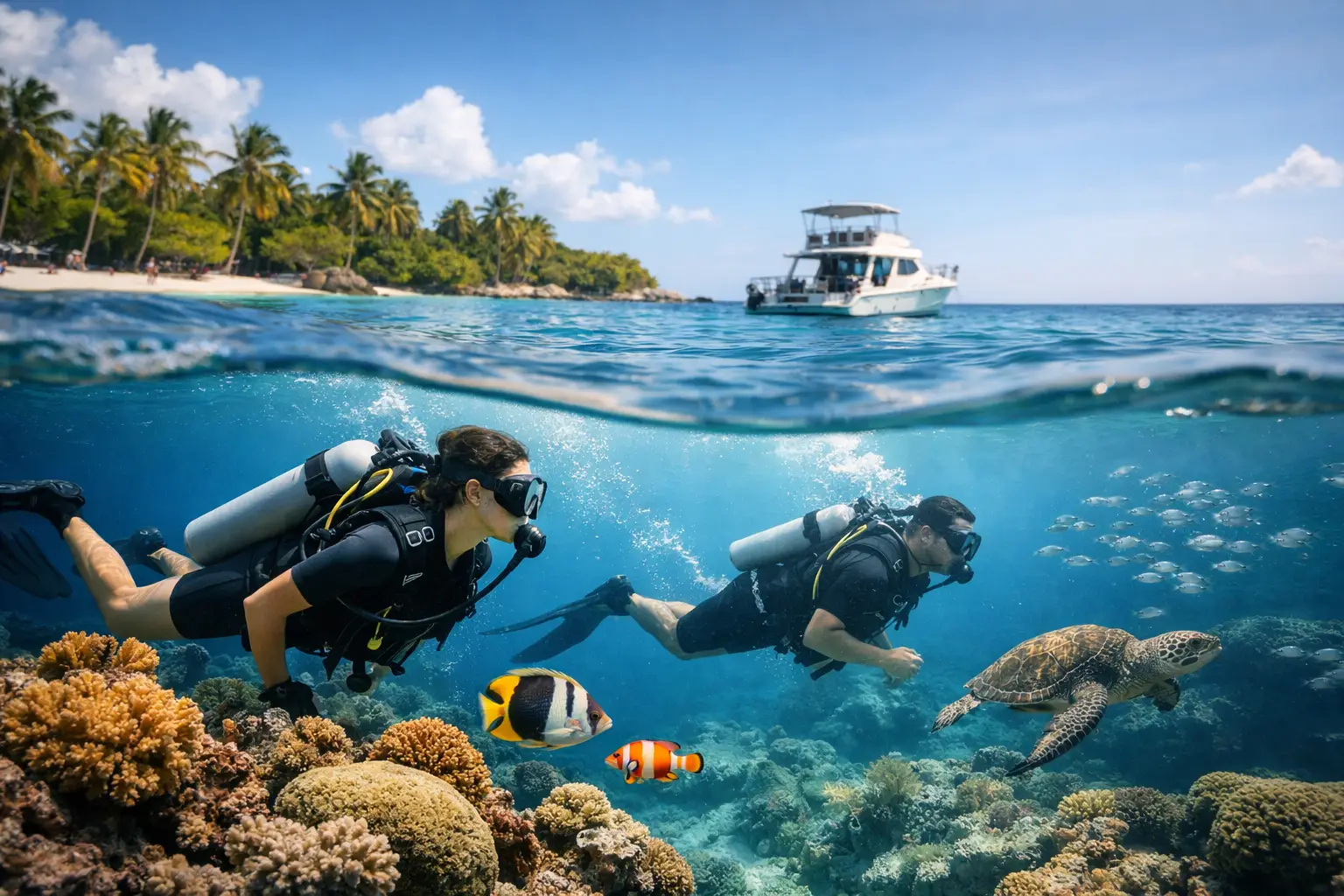
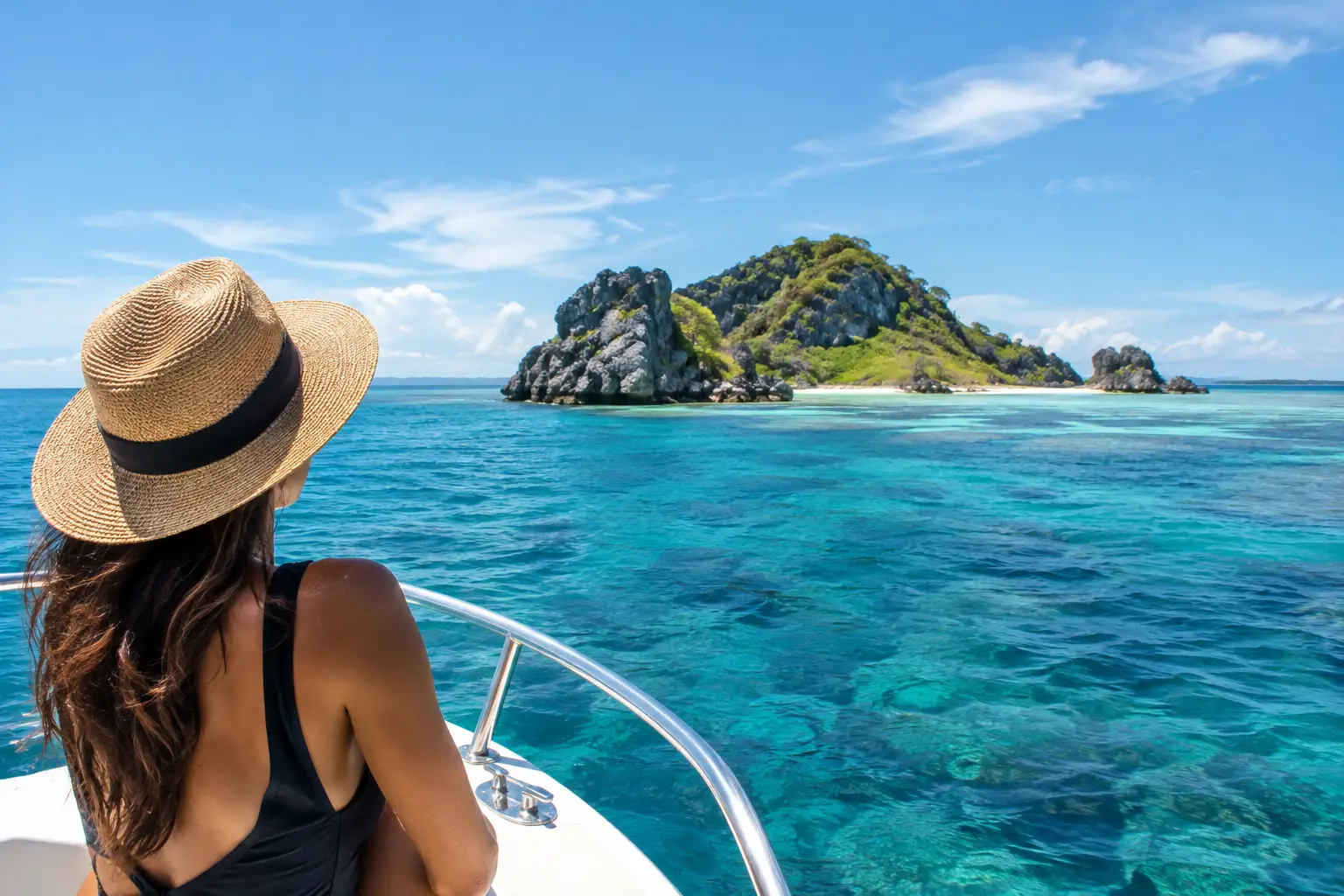
The first thing you notice at Isla Catalina is the color. Above the surface, the water shifts from pale turquoise to deep blue around a small, protected island off the Dominican Republic's southeast coast. Below it, the Caribbean becomes quieter, brighter, and far more detailed: coral formations, schools of tropical fish, sandy channels, and reef walls that seem to keep going.
For travelers staying in Punta Cana or Bávaro, Isla Catalina is not the closest place to get wet. That is exactly why it can feel like a real escape from the crowded beach routine. It rewards the extra travel with clearer water, a more varied underwater landscape, and the kind of unhurried day that stays with you after the tan fades.
Why Isla Catalina is worth the trip
Isla Catalina sits near La Romana and is known for its white-sand shoreline, calm Caribbean conditions, and accessible reef systems. Many visitors see it as a beach excursion. For divers, the island offers something much more compelling: a chance to spend time on reefs that feel removed from the busy hotel coast.
Visibility is often one of the biggest draws. Conditions change with weather, currents, and season, but the island regularly offers the blue-water clarity divers hope for in the Caribbean. When the water is calm, sunlight reaches deep into the reef, picking out the purple, yellow, and orange tones that are easy to miss in lower visibility.
The marine life is not about one guaranteed headline animal. It is about the density of small moments. Look for parrotfish grazing along the coral, French angelfish moving in pairs, sergeant majors hovering above the reef, trumpetfish using sea fans as camouflage, and moray eels peering from crevices. A patient diver will often see more than the diver rushing to the next photo.
Catalina also works for different experience levels. A well-chosen shallow reef can make a first ocean dive feel manageable and exciting, while deeper profiles and wall environments give certified divers more room to explore. The right site depends on your certification, recent experience, air consumption, comfort in open water, and the conditions that day.
The underwater character of Isla Catalina
The island's dive sites are not all the same, and that is part of the appeal. Some begin over bright, shallow reef where the sea floor is close enough to study every coral head. Others lead toward slopes and walls, where the bottom drops away into a blue that looks almost unreal from the edge.
Shallow reefs for confidence and color
For newer divers, shallow reef diving offers time to settle into the rhythm of breathing underwater. There is usually more natural light, a gentler profile, and plenty to watch without descending far. This is also where strong divers can slow down and improve their observation skills. The smallest reef residents often make the best memories: juvenile fish, cleaner stations, tiny crabs, and delicate coral textures.
A shallow site is not a lesser site. It can be the smarter choice when the goal is comfort, photography, a relaxed family-friendly experience, or a return to diving after a long break.
Walls and blue water for certified divers
Catalina's more dramatic side appears where reef structures fall away toward deeper water. Wall diving changes your sense of scale. One side of you holds the reef, full of life and color. The other opens into the blue, where a passing school of fish can appear and vanish in seconds.
These dives require good buoyancy control and attention to depth. The visual pull of a wall can make it easy to drift deeper than planned, especially for divers who are excited by the view. A professional guide keeps the profile sensible, monitors the group, and helps everyone enjoy the site without turning a beautiful dive into a rushed one.
Who should choose a Catalina dive day?
Isla Catalina is a strong fit for certified divers who want a change from nearshore Punta Cana diving, couples looking for a shared adventure beyond the resort, and travelers who value the experience as much as the destination. It can also suit beginners when the itinerary includes an appropriate shallow site and a patient instructor.
If you have never breathed underwater before, do not choose a trip based only on photos of a wall. Start with a guided introductory experience or a PADI course that gives you the skills to feel calm in the water. The best first dive is not the deepest one. It is the one where you have enough confidence to look around, breathe slowly, and enjoy what is happening.
Families should consider each person's comfort separately. A confident teenager and a parent who is nervous in the ocean may need different levels of support. Small groups make that easier. Rather than asking everyone to follow the pace of a large boat, the guide can adapt the briefing, route, and attention to the people actually in the water.
How to plan the day from Punta Cana or Bávaro
A Catalina diving day is usually longer than a local two-tank trip because the island is closer to La Romana. Build your vacation schedule around that reality. Do not book it after a late night, and avoid planning a demanding excursion immediately afterward. A relaxed start, hydration, and a decent breakfast make a noticeable difference in how you feel underwater.
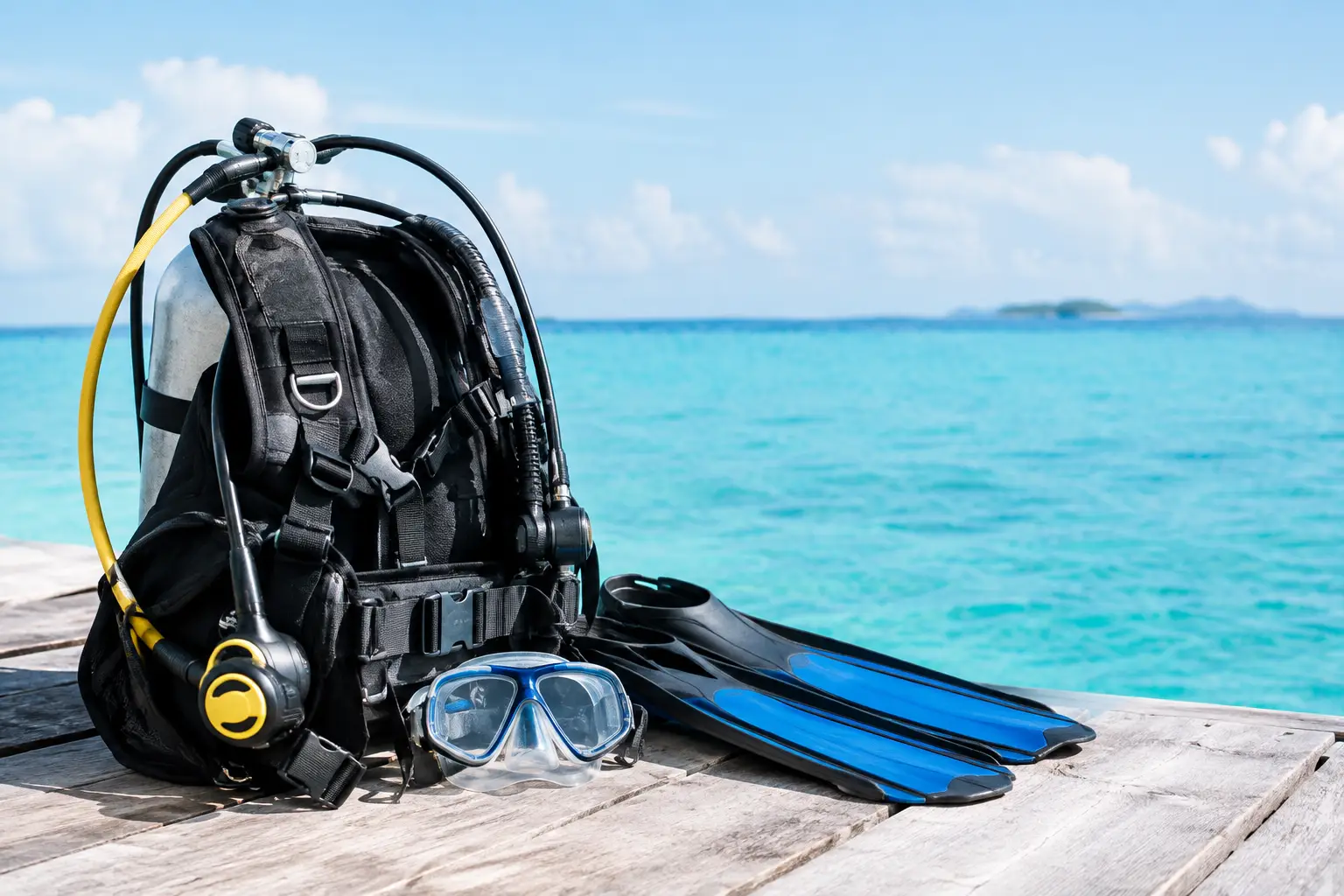
Before booking, confirm what the day includes. Transfers from Bávaro, complete equipment, tanks, weights, guided dives, surface intervals, and food or drinks can vary by operator. The lowest price is not always the best value if it means crowded groups, worn gear, unclear timing, or little individual attention.
At Scuba & Chill, the focus is on guided, small-group diving with a maximum of four guests, PADI-certified professionals, complete equipment, and pickup from Bávaro. That smaller format matters at Isla Catalina. It gives your guide more capacity to check fit and comfort, point out marine life, and keep the pace personal rather than transactional.
Bring a swimsuit, towel, reef-safe sun protection, sunglasses, and a dry layer for the boat ride. If you are certified, bring your certification information and logbook details if you have them. If you use your own mask or computer, take them along, but check your equipment before travel. Vacation is not the ideal time to discover that a mask strap is cracked.
Safety is part of the adventure
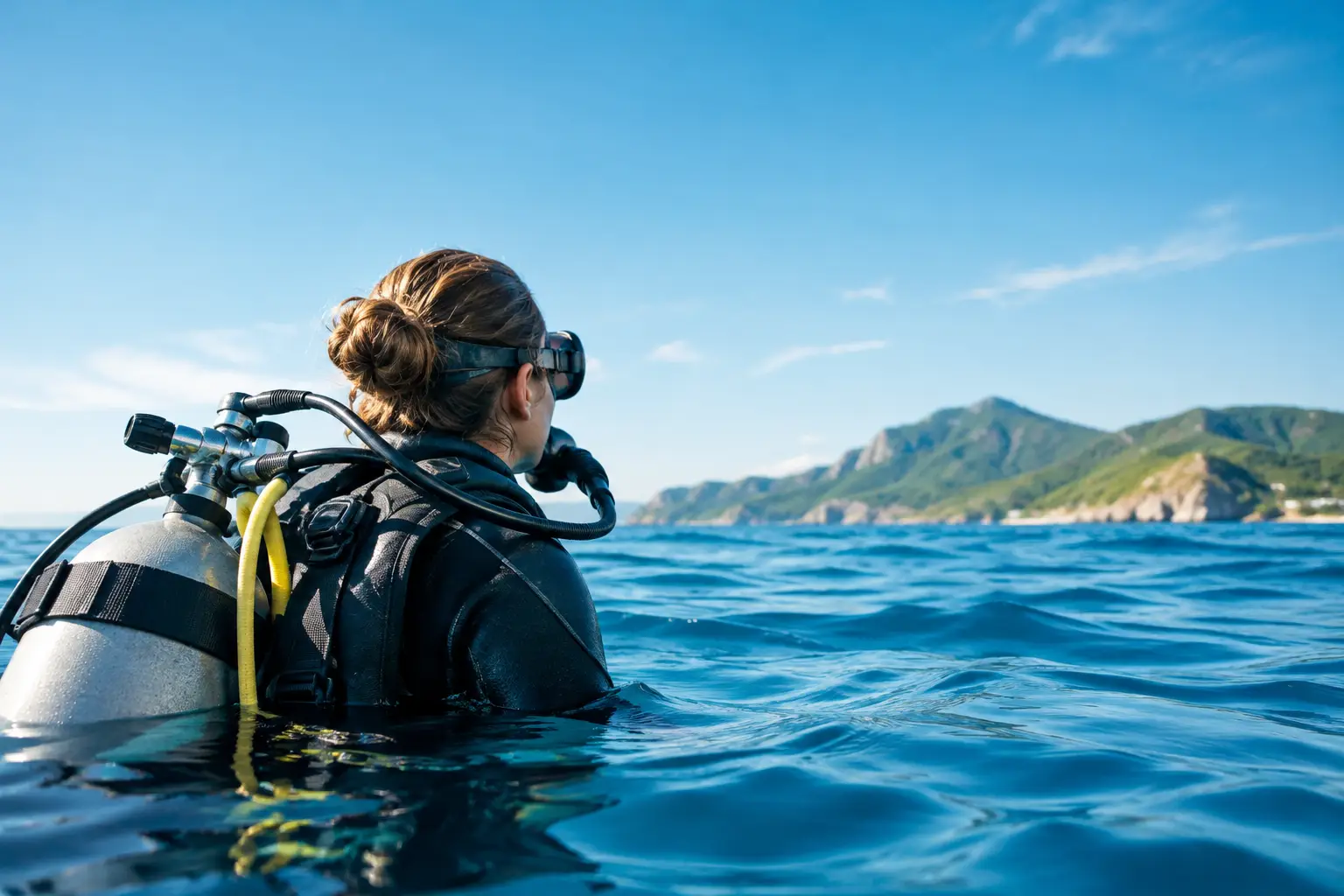
A great Caribbean dive should feel relaxed because it is well organized, not because anyone is careless. Listen closely to the briefing, especially if you are unfamiliar with boat entries, currents, or local reef etiquette. Agree on hand signals, stay near your buddy and guide, and communicate early if something feels off.
Good buoyancy protects you and the reef. Avoid touching coral, kneeling on the bottom, or chasing marine life for a closer picture. Coral can look like rock, but it is a living community that grows slowly and is easily damaged. Keeping a respectful distance also leads to better encounters. Fish behave more naturally when divers do not crowd them.
Remember the standard flight guidance after diving. Your dive professional can advise based on your exact profile, but travelers should leave enough time before flying after scuba activity. Do not compress the schedule just to fit one more excursion into the trip.
Make the experience feel like yours
The most memorable Isla Catalina days are not measured by how many photos you bring home. They are measured by the details you noticed: the moment your breathing became calm, the shape of a coral head against the sunlight, the quiet surprise of seeing a reef fish you had never recognized before.
Tell your guide what you want from the day. Maybe you are working on buoyancy, hoping to practice underwater photography, returning after years away, or simply looking for a peaceful first view of the Caribbean below the surface. A good guide can shape the experience around that goal while keeping safety and conditions first.
Leave some space in your itinerary for that kind of day. Isla Catalina is best enjoyed when you arrive rested, curious, and ready to move at the ocean's pace.
Want to dive in the Dominican Republic?
Tell us your level, dates and what kind of experience you want. We will help you choose a dive, course or excursion.
Talk on WhatsApp