Scuba Diving Punta Cana No Certification Guide
Scuba diving Punta Cana no certification is possible with a guided beginner experience. Learn what to expect, safety rules, and how to choose a first dive.
The first breath underwater is often the moment that changes a Punta Cana vacation. The surface noise disappears, your bubbles rise toward the light, and a reef begins to move around you. Scuba diving Punta Cana no certification is possible for healthy beginners through a closely supervised introductory experience, so you do not need to arrive with a dive card to meet the Caribbean below the waves.
But this should never feel like a rushed tourist attraction. A good first dive balances wonder with calm instruction, small groups, well-maintained equipment, and an instructor who stays beside you from the first pool-style skills to the final ascent. That is how a new activity becomes a memory you can genuinely enjoy.
Can You Scuba Dive in Punta Cana Without Certification?
Yes. Visitors without certification can take part in a beginner scuba experience led directly by a qualified PADI professional. Often called a Discover Scuba Diving experience, it is designed for people who want to try scuba during their trip without committing immediately to a full certification course.
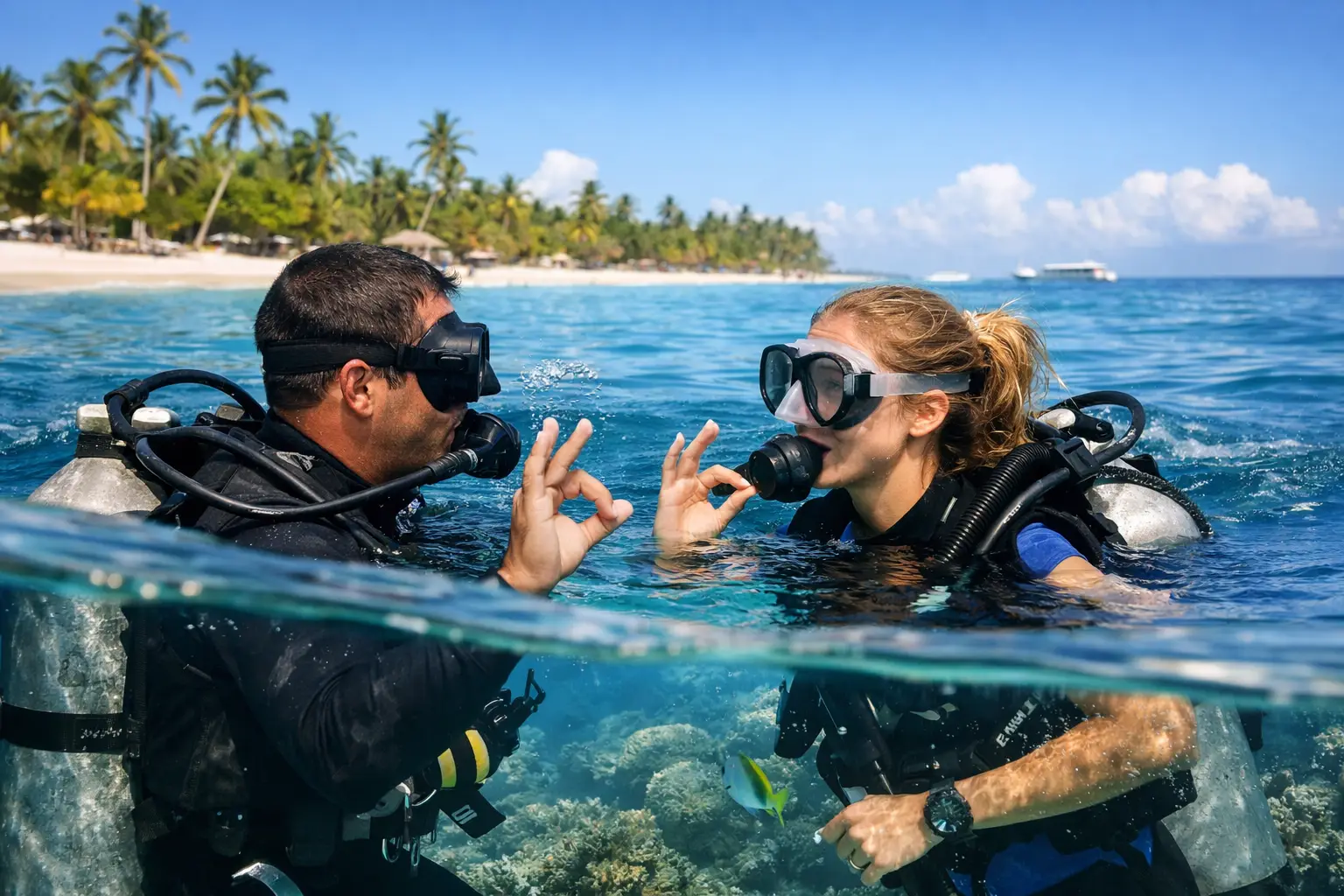
You will receive a clear orientation before entering the water. Your instructor explains how the regulator works, how to clear water from your mask, how to equalize your ears, and what the hand signals mean. Then you practice the essential skills in shallow, calm water before moving on to the guided reef portion.
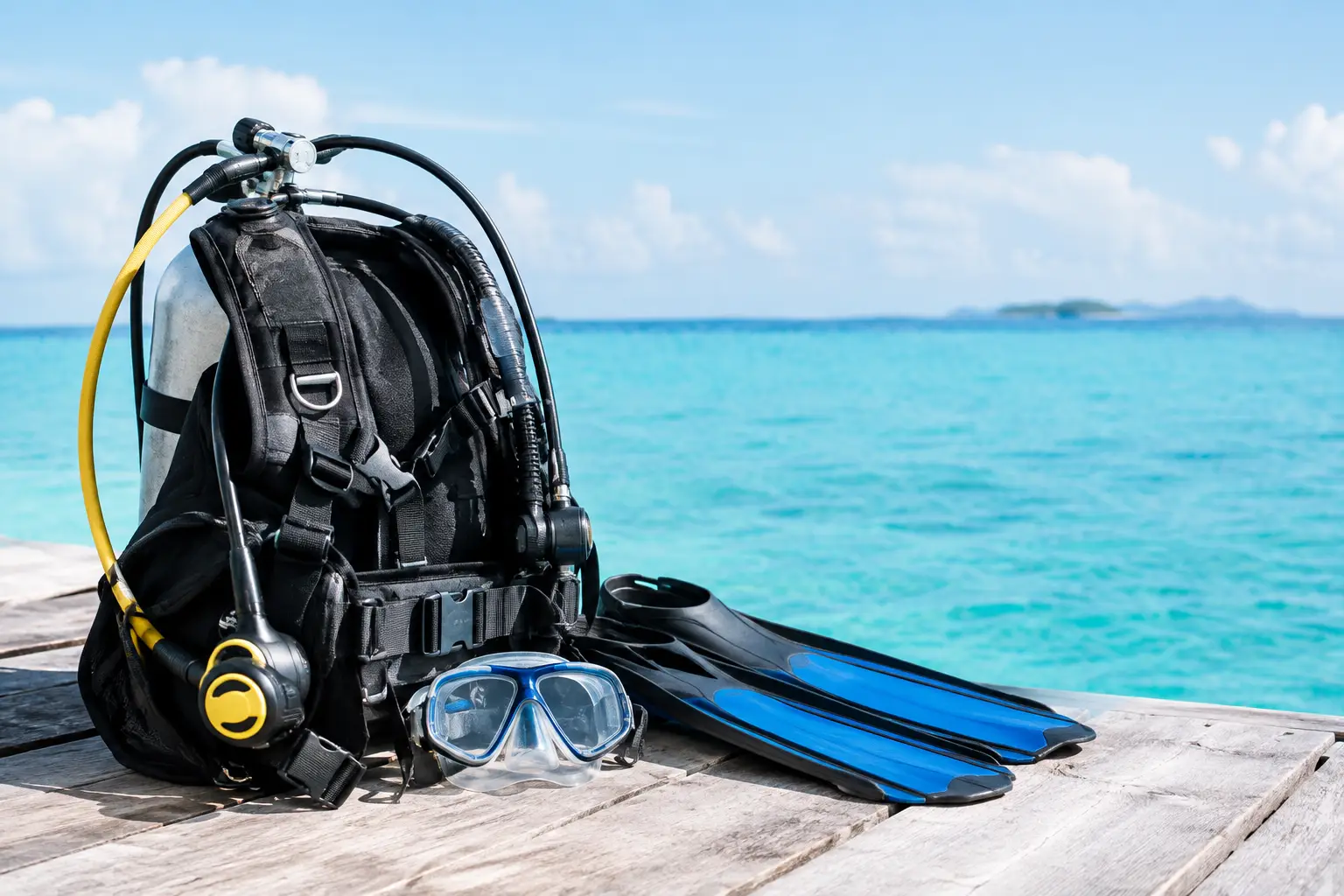
This is real scuba diving, not snorkeling with an air hose. You wear a tank, regulator, buoyancy device, mask, fins, and weights, and you breathe underwater while your instructor manages the pace and keeps the experience within beginner-appropriate limits. It is also not a certification. When the trip ends, you will have a meaningful first underwater experience, but you will not yet be qualified to dive independently or without a professional guide.
For many travelers, that distinction is exactly what makes it appealing. You can discover whether scuba feels right for you while leaving room in your vacation for the beach, a sunset dinner, or a private day on the water.
What a No-Certification Dive Day Feels Like
The best experiences begin before the boat leaves. You should have time to ask questions, try on your equipment, and speak honestly about anything that makes you nervous. Feeling excited and a little uncertain is normal. A patient instructor will never make you feel as though you need to prove anything.
Once in shallow water, the goal is not to perform perfectly. It is to get comfortable breathing slowly and steadily through the regulator. Most first-timers need a few minutes to adjust. Your instructor will demonstrate each skill, let you repeat it, and check that you are ready before continuing.
At the reef, the pace changes. You are not swimming hard or chasing a schedule. You move slowly above coral formations while looking for schools of tropical fish, sea fans, rays resting in the sand, and the small colorful life that is easy to miss from the surface. The Caribbean can feel remarkably peaceful when conditions are right.
Depth and route depend on the day, your comfort, weather, and local conditions. Introductory divers stay within conservative limits and remain under direct supervision. If you are not comfortable, the right choice is to return to shallower water or end the dive early. There is no prize for pushing past your comfort level.
Is Scuba Diving Punta Cana No Certification Right for You?
A beginner dive is a strong fit for adults who are comfortable in the water, can swim, and want a more immersive alternative to snorkeling. It can be especially memorable for couples, friends, and families traveling with older teens who want to share a first adventure in the Caribbean Deep.
You do not need prior scuba experience, but you do need to complete a health questionnaire honestly. Certain medical conditions, recent surgeries, pregnancy, respiratory concerns, heart conditions, or ear issues may require a doctor’s approval or may mean that scuba is not appropriate on this trip. Congestion from a cold can also make equalizing uncomfortable and unsafe.
Swimming ability matters because it gives you confidence and control in the water. You do not need to be a competitive swimmer, but you should be able to move comfortably in open water and remain calm while floating. If you are unsure, say so when booking. The right operator can help you choose between snorkeling, a shallow introduction, or another ocean experience that suits you better.
Children may be able to join age-appropriate programs, depending on their age, comfort, and program requirements. A child’s enthusiasm is not the only factor. Their ability to listen, communicate, and follow instructions matters just as much.
Why Small Groups Matter on a First Dive
Underwater, personal attention is a safety feature. Large groups can leave beginners waiting for help, trying to copy instructions from a distance, or feeling pressured to keep up. That is a poor foundation for a first breath underwater.
Look for a center that limits group size, pairs beginners thoughtfully, and has a clear instructor-to-guest ratio. At Scuba & Chill, groups are limited to four guests, allowing the instructor to notice small details: a loose mask strap, a diver who needs more time to equalize, or someone whose body language says they would like reassurance.
Small groups also make the experience more enjoyable. You have more space around the reef, more time to point out something interesting, and more freedom to move at a relaxed pace. Instead of feeling processed through an activity, you feel guided through a place.
What Is Included and What Should You Bring?
A reputable introductory scuba trip should provide properly fitted equipment and explain how each piece works. That normally includes your tank, regulator, buoyancy control device, mask, fins, weights, and exposure protection appropriate for the conditions. Ask whether transportation from your Bávaro accommodation is included, especially if you do not plan to rent a car.
Bring the simple essentials that make the day easier:
- A swimsuit and towel
- Reef-safe sunscreen for time spent above water
- A reusable water bottle
- Dry clothes for the ride back
- Any required medical information or prescription medication
Avoid drinking alcohol before scuba diving. Hydrate well, eat a light meal, and give yourself enough time to arrive relaxed rather than rushing from another excursion. If you plan to fly after diving, follow the operator’s waiting-time guidance before boarding a plane. This is a basic part of responsible dive planning, even after a shallow beginner experience.
Choosing a Punta Cana Operator You Can Trust
Beautiful water alone does not make a beginner dive worthwhile. Ask who will be in the water with you, how many guests join each group, and whether you will practice skills before the reef. Clear answers are a good sign. Vague promises of an “easy dive” are not enough.
Professional credentials matter, but so does teaching style. A knowledgeable guide who can explain the ocean in simple terms, recognize stress early, and adapt the plan to the individual creates a completely different experience from an operator focused on volume. Equipment should be clean, maintained, and fitted rather than handed over in a hurry.
It also helps to choose a team that knows the local sites beyond their postcard appeal. Punta Cana offers reef environments with different conditions, visibility, and marine life. For a first dive, the smartest site is not necessarily the deepest or most dramatic one. It is the one that gives you calm water, an appropriate depth, and the time to settle into the experience.
After Your First Dive: Keep the Feeling Going
Many people leave their first dive surprised by how natural it became after the first few minutes. Others decide that one guided experience was enough for this vacation. Both outcomes are valid. Scuba should feel like an invitation, not an obligation.
If you find yourself replaying the sight of fish moving through the coral or wishing you had stayed underwater longer, a PADI course can turn that curiosity into a skill you keep for life. Certification opens access to more dive sites, including walls, wrecks, and other deeper Caribbean adventures, while teaching you how to plan and manage dives responsibly.
For now, give your first underwater experience the attention it deserves: choose a patient team, communicate openly, and let the reef set the pace. The Caribbean is far more memorable when your first breath below the surface feels calm, safe, and entirely your own.
Want to dive in the Dominican Republic?
Tell us your level, dates and what kind of experience you want. We will help you choose a dive, course or excursion.
Talk on WhatsApp