What to Expect at Shark Point in Punta Cana
Plan a safe, small-group Shark Point dive from Punta Cana. Learn what you may see, who it suits, and how to prepare for a memorable descent in clear water.
There is a particular quiet that arrives when the boat slows over deep blue water and the reef disappears beneath the surface. A Shark Point dive is built around that moment: the anticipation of descending into the Caribbean, watching the seafloor take shape, and meeting one of the ocean’s most misunderstood animals with the respect it deserves.
For certified divers visiting Punta Cana, Shark Point offers an experience that feels wilder than a typical shallow reef dive while remaining grounded in thoughtful planning, clear briefings, and responsible dive practices. It is not about chasing a guaranteed encounter or turning wildlife into a spectacle. It is about entering the animal’s environment calmly, observing carefully, and enjoying a memorable adventure under the guidance of professionals who know the local conditions.
What Makes Shark Point Different?
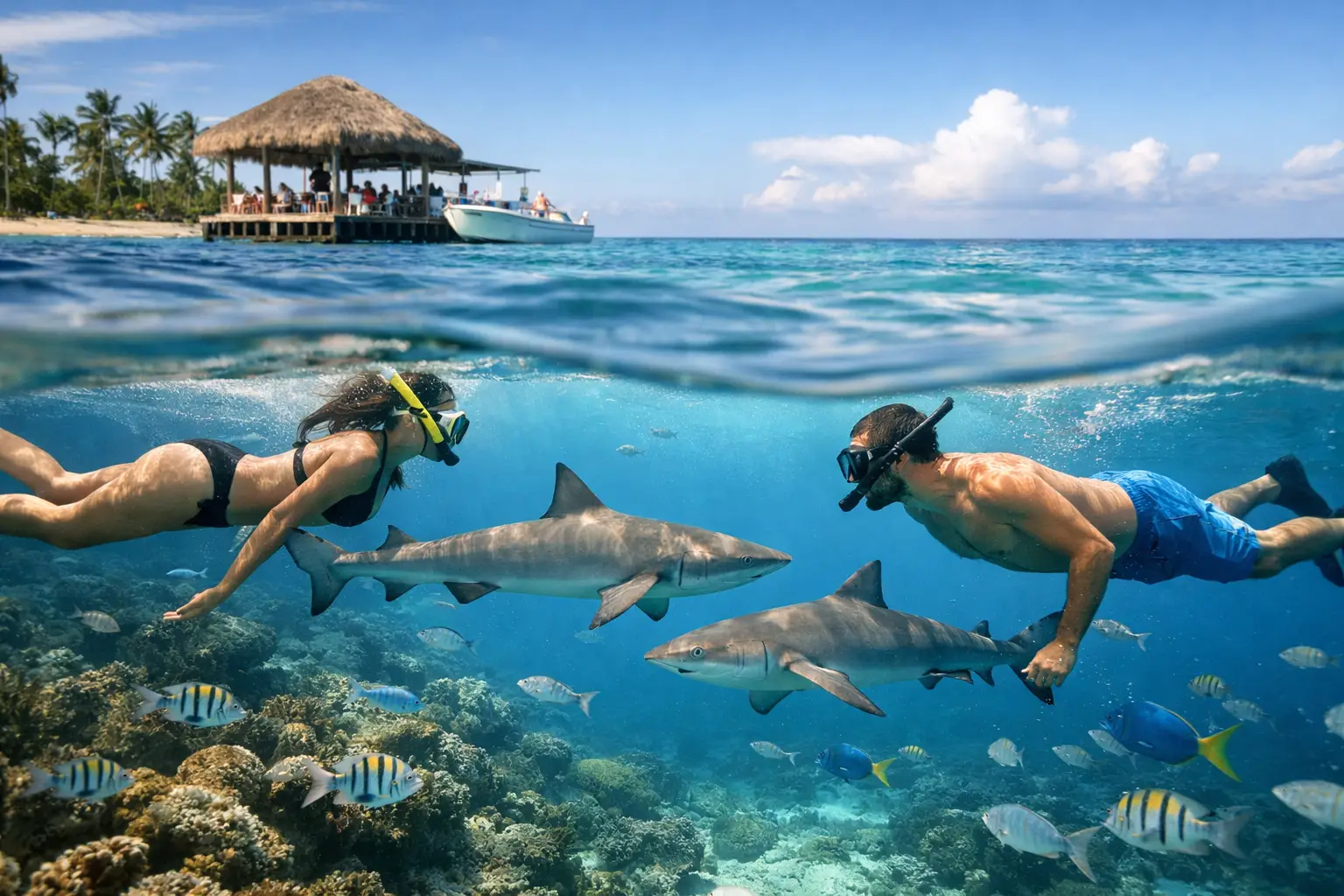
Shark Point is known for giving divers the chance to encounter sharks in open Caribbean water, often alongside the marine life that makes Punta Cana’s underwater world so rewarding. Conditions, visibility, currents, and wildlife activity vary from day to day, which is exactly why every visit feels personal rather than staged.
The appeal is not limited to sharks. The descent itself can reveal reef structure, schools of tropical fish, rays, and the changing shades of blue that define the deeper side of the Caribbean. For many divers, the most lasting memory is not a single close pass by a shark. It is the feeling of being present in a living ecosystem where every creature has its place.
A shark encounter is always a possibility, never a promise. Wild animals choose where they go and how long they stay. That uncertainty is part of the privilege. A responsible operator will never market a marine encounter as guaranteed, and will always put the animal’s well-being ahead of a photo opportunity.
Who Is a Shark Point Dive For?
This dive is best suited to certified divers who are comfortable in the water and ready for a more focused underwater experience. You do not need to be an expert with hundreds of logged dives, but solid buoyancy, awareness of your surroundings, and the ability to follow a guide’s instructions make a meaningful difference.
If you recently completed your Open Water certification, Shark Point may still be a great fit depending on the day’s conditions and your confidence level. Be honest about your experience when booking. A professional team can recommend the right plan, explain the expected depth and current, and help you decide whether this site or a gentler reef dive is the better choice for your vacation.
Divers returning to the water after a long break should consider a refresher first. It is far more enjoyable to descend feeling relaxed with your mask, fins, buoyancy control device, and basic skills than to spend the dive trying to remember them. The same goes for nervous divers: confidence can be built gradually, and there is no prize for choosing a site before you feel ready.
Families and first-time divers can still experience the Caribbean Deep in other ways. A Discover Scuba Diving session, a protected reef excursion, or PADI training can create a safer starting point before progressing to more advanced sites.
The Value of a Small Dive Group
Wildlife dives reward patience. In a small group, there is less noise, less crowding, and more room to follow the guide’s pace without feeling rushed. You also receive more individual attention before and during the dive.
Scuba & Chill keeps groups to a maximum of four divers, which makes the experience feel more considered from the first equipment check to the final safety stop. For couples, friends, or private groups, that attention can turn a good dive into the highlight of a Punta Cana trip.
How to Dive Shark Point Respectfully
The best shark encounters are quiet ones. Sharks are not there to entertain us, and divers should never attempt to touch, feed, chase, corner, or block them. A calm posture communicates that you are an observer, not a threat.
Your guide will explain site-specific procedures in the briefing, but the fundamentals are straightforward. Maintain neutral buoyancy, keep your fins clear of the reef, stay close enough to the group to remain visible, and move slowly. Keep your hands to yourself, avoid sudden splashing on the surface, and let the shark determine the distance.
Eye contact can be useful when a shark is nearby, especially to maintain awareness of its direction, but there is no need to panic or stare aggressively. Watch its body language. A smooth, unhurried swim is usually simply a shark moving through its habitat. Your guide is there to interpret the situation, manage positioning, and keep the group together.
A camera is welcome when used with care. Set it up before entering the water, avoid drifting away from the group to frame a shot, and do not use a camera as a reason to get closer than is appropriate. The most powerful images often come from giving the animal space and capturing the wider scene: shark, reef, water, and diver all sharing the frame.
Safety Starts Before the Boat Leaves
A great Shark Point dive does not begin at the descent line. It begins with an honest conversation about your certification, recent dives, health, and comfort level. A proper briefing should cover the entry, descent, maximum planned depth, current expectations, hand signals, buddy procedures, marine-life etiquette, and the plan if conditions change.
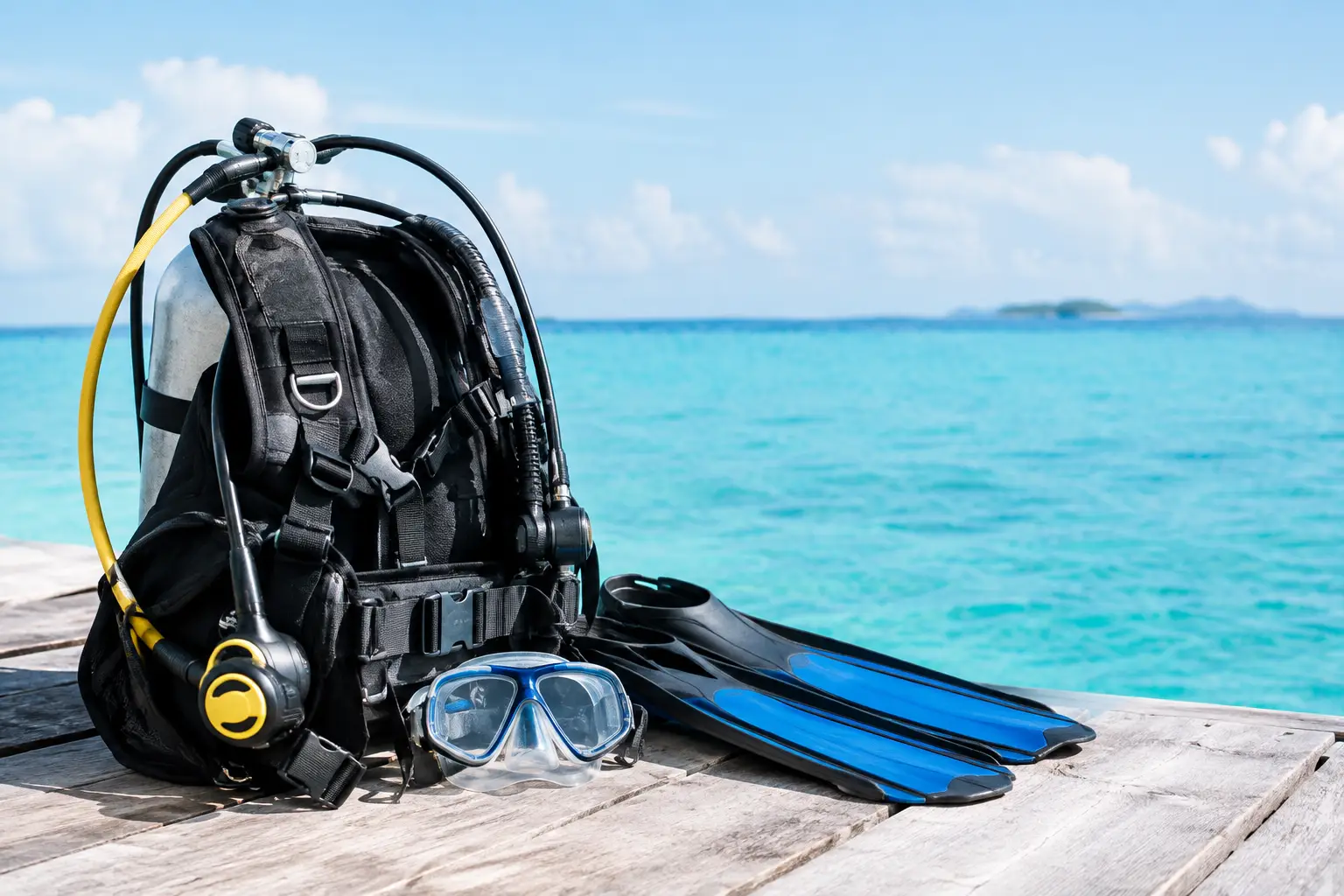
Equipment also matters. Your mask should seal properly, your fins should fit without painful pressure, and your weights should be adjusted for controlled buoyancy. If you bring your own gear, check it before travel. If you use rental equipment, take a few unhurried minutes to test the fit and ask questions. Quality gear is useful, but familiarity and correct setup are what help divers stay calm.
Weather and sea conditions may require flexibility. A responsible crew may adjust the route, delay departure, choose another dive site, or cancel if conditions are not appropriate. While that can be disappointing, it is a sign of good judgment. The ocean will still be there tomorrow, and a safer alternative can be every bit as beautiful.
What to Bring for the Day
Bring your certification card, logbook or digital certification details, swimwear, towel, reef-safe sun protection, and any personal items you need for motion sickness or comfort. Drink water before and after the dive, but avoid alcohol before diving. If you are flying after your excursion, allow the recommended surface interval before boarding your flight.
Travelers staying in Bávaro also appreciate simple logistics. Door-to-door transportation, a well-maintained equipment setup, and a clear meeting time remove the little stresses that can distract from the adventure. Your only real job should be to breathe slowly, listen closely, and enjoy the view.
A Better Way to Think About Sharks
Fear has given sharks an unfair reputation. They are essential predators in many marine ecosystems, helping maintain balance by influencing the behavior and populations of other species. Seeing one underwater, at a respectful distance and in its natural environment, can replace old assumptions with something much more valuable: perspective.
That does not mean treating sharks casually. Respect is not the same as fear, and confidence is not the same as carelessness. The goal is informed appreciation. When divers follow responsible practices, choose operators who prioritize marine life, and leave the reef exactly as they found it, tourism can support a deeper connection to ocean conservation.
At Shark Point, the most extraordinary part may be how ordinary the encounter feels to the sea itself. The reef continues moving. Fish continue feeding. The current keeps flowing. You are simply a welcome guest for a few quiet minutes in a world that has been there long before the boat arrived.
If a Shark Point dive calls to you, come prepared, stay curious, and let the Caribbean set the pace. The most memorable encounters are rarely the ones you force - they are the ones you give space to happen.
Want to dive in the Dominican Republic?
Tell us your level, dates and what kind of experience you want. We will help you choose a dive, course or excursion.
Talk on WhatsApp